Artist
U2
Albums
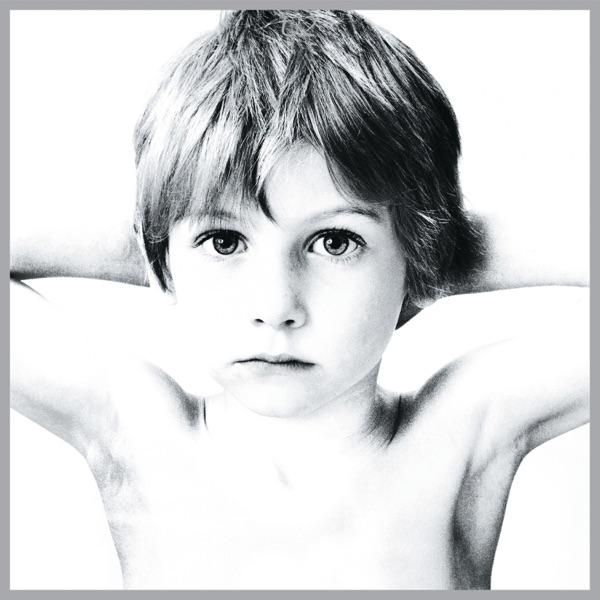
Boy
One of the greatest debut albums of the 1980s—which is saying a lot, given how bountiful that decade turned out to be—U2’s Boy is a burst of pent-up energy and ambition. Released at a moment in which punk, post-punk, and New Wave were swirling and collapsing into one another, Boy throws all of that noise all together in a mix of jagged guitars, jubilant rhythms, and good old-fashioned angry-young-man ennui. It’s not U2’s most hit-packed record, nor its most fully formed, but Boy may simply be the most U2-ish album U2 ever made: The sound of four musicians confused about where they’re going next, but supremely confident they’ll get there—a mindset that would come to define the band in the decades ahead. Back in 1980, the members of U2—vocalist Bono, guitarist the Edge, bassist Adam Clayton, and drummer Larry Mullen Jr.—were brash upstarts with a reputation for fiery gigs, but little in the way of in-studio experience. The group had made an inauspicious debut with 1979’s Three, a quickly recorded EP, and followed it up with a handful of singles, most notably “11 O’Clock Tick Tock,” a gnarly post-punk rave-up so indebted to The Cure, it likely raised Robert Smith’s eyebrows (as well as his hairdo). Boy would be the group’s most grown-up effort yet. Produced by Steve Lillywhite—who’d caught the group during a late-1970s live show in Ireland, and who’d work with the group repeatedly in the coming decades—the album captures 20-year-old Bono’s anguished post-adolescent worldview. “Out of Control,” with its stomping drums and dreamy guitars, is a frenzied lament for the end of childhood, while “An Cat Dubh” is an appropriately throbbing tale of young lust. On later U2 albums, you can hear Bono laboring—sometimes painfully so—to make sure his words are pointed, and that his message rings clear. The lyrics on Boy, however, capture a frenzied state of mind, as though Bono was collecting his thoughts at the exa...
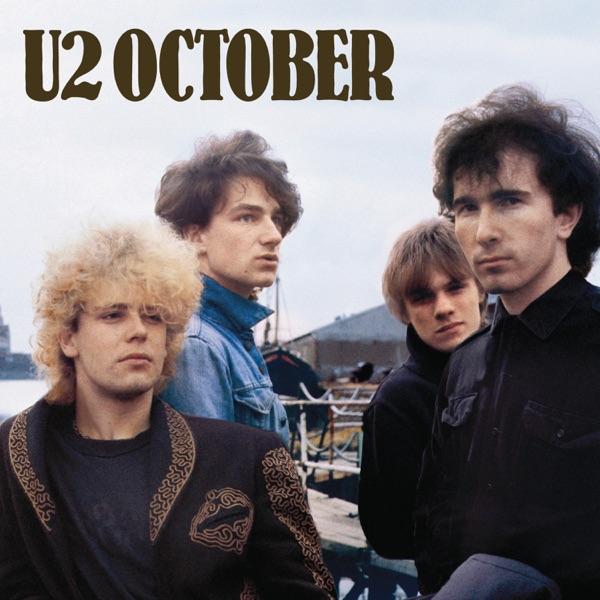
October
By 1981, the members of U2 were undergoing an existential crisis—the first of many the group would endure in the decades ahead. Boy, the band’s fiery 1980 debut, had yielded a handful of anthemic singles (including “I Will Follow”), and established U2 as a ferocious live act. But the album’s success had also reinforced the group’s odd-men-out status: After all, U2 was too outsized, and too hopeful, for the dour post-punk scene—yet still too jagged for the mainstream. And while the group’s sound had been agreeably scrappy on Boy, it’s clear the band members didn’t want to play clubs and colleges forever. This was a band that didn’t seem to quite fit in anywhere. As the first line in “I Will Follow” goes: I was on the outside. So by the time Bono, the Edge, Larry Mullen Jr., and Adam Clayton started thinking about a follow-up, they were unsure where to head next. Should they try to go big? Or should they simply stay in place and survive? “They were a bit scared of the world,” longtime U2 producer Steve Lillywhite later said. “[And] what they did was, they shrunk a little bit.” As a result, October feels less like a departure from Boy and more like a companion piece—a record that captures the band’s urgency, but offers few surprises. It certainly didn’t help that Bono lost a suitcase containing notes and lyrics right before recording began, immediately throwing October into chaos. Also complicating things: the fact that three-quarters of the band were struggling to square their long-held religious beliefs with their newfound notoriety (according to Lillywhite—who’s no doubt endured countless late-night self-doubt sessions from the band members over the decades—there were Bibles scattered around the studio during October). Still, this is early-era U2 we’re talking about; the boys may have been confused, but they sure as hell sound confident. And while October lacks the bulletproof songwri...
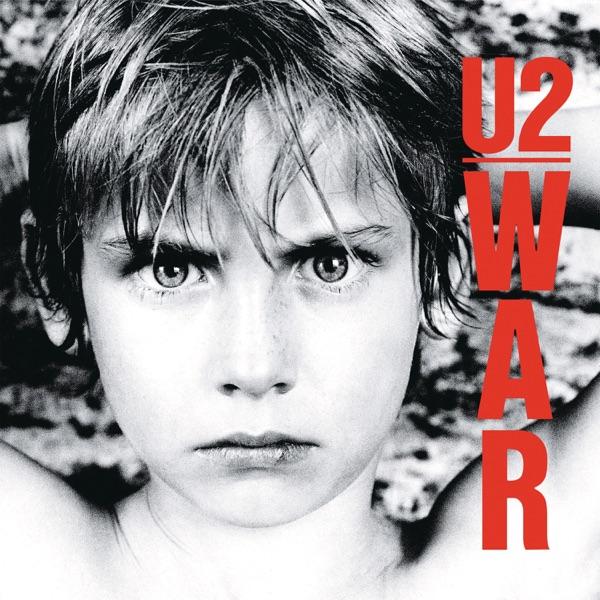
War
In early 1983, U2 lead singer Bono tried to predict how listeners would react to his band’s new album: War, Bono told a reporter, would feel like a “slap in the face.” It was almost an understatement, as pretty much everything about U2’s third record—from its opening drum-march to its politically agitated lyrics to its title—was steeped in confrontation. Thanks to early breakout hits like “I Will Follow” and “Gloria,” U2 had made a name for themselves. Now, they wanted to make a point. Working again with Steve Lillywhite, who’d helped shape the jagged-glory sounds of Boy and October, U2 headed into Dublin’s Windmill Lane Studios in 1982 with an arsenal of songs and no shortage of talking points. Bono and the other members of U2 (guitarist the Edge, bassist Adam Clayton, and drummer Larry Mullen Jr.) were young men in their twenties, a time when the world should have felt wide open. And yet the news was serving up one early-1980s disruption after another: violence in Northern Ireland. Unrest across Europe. And a seemingly constant threat of worldwide nuclear annihilation. U2 decided to address those dangers head-on, lyrically and musically. “Sunday Bloody Sunday” opens War with a wallop: a flurry of military percussion, stabbing guitar lines, and anguished electric violin squelch, all of which serve to amplify Bono’s fury and frustration about the Troubles in Northern Ireland. “New Year’s Day”—the album’s first single, and an unlikely chart-climber—employs tight harmonies and some aptly chilly piano lines in what must be the only international pop hit to be inspired by the Solidarity movement in Poland. And you don’t have to dig too deep to find Bono’s nuclear fears surging through “Seconds” (“Push the button and pull the plug/Say goodbye, oh, oh, oh”). Yet for all the real-world ferocity that creeps into War, the album also finds Bono slowing down to find solace in his faith: “Drowning Man,” an eerie and etherea...

Under a Blood Red Sky (Live)
![Under a Blood Red Sky (Live) [Remastered]](/_next/image?url=https%3A%2F%2Fapi.igotalist.com%2Fstorage%2Fv1%2Fobject%2Fpublic%2Flist-thumbnails%2Fu2%2Funder-a-blood-red-sky-live-remastered.jpg&w=640&q=75)
Under a Blood Red Sky (Live) [Remastered]
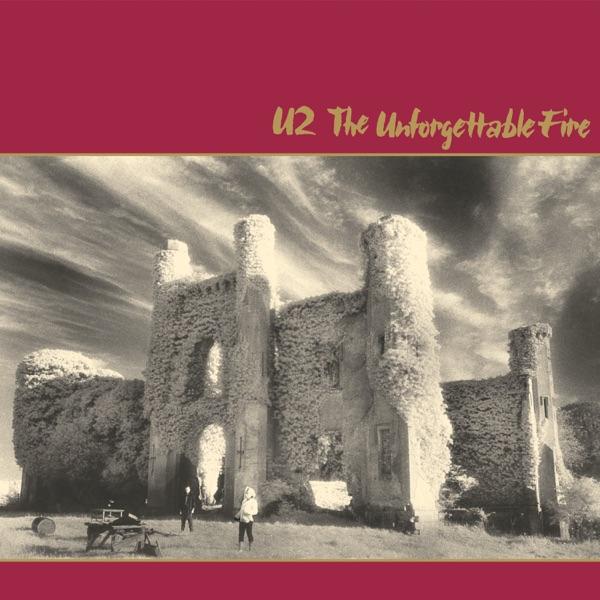
The Unforgettable Fire
By the mid-’80s, it had become clear to the members of U2 that War was over. That 1983 album had given the group an early taste of international fame—not to mention its first hit single, thanks to “New Year’s Day.” But the thrills of victory had been short-lived: After a lengthy stint on the road, bandmates Bono, the Edge, Larry Mullen Jr., and Adam Clayton returned to Ireland, unsure of where U2 could go next. All they knew was that the brittle, ear-bending guitar attack they’d perfected over several years was starting to bore them. In search of inspiration, the band members decamped to the 200-year-old Slane Castle, a vast and isolated space not too far outside Dublin, where they could try out ideas round the clock. They also decided to part ways with producer Steve Lillywhite—who’d overseen their first three efforts—and partner with Daniel Lanois and Brian Eno. Both men were unlikely recruits: By that point, Lanois had worked mostly with a series of well-regarded (but hardly world-beating) Canadian acts. The enigmatic Eno, meanwhile, had spent the early ’70s playing with art-glammers Roxy Music, and had recently been collaborating with the ever-daring Talking Heads. It was hard to imagine Eno listening to War—much less finding a common musical language with the guys who’d made it. But U2 needed to be pushed and prodded a bit. And Lanois and Eno—as producers, players, and in-studio philosophers—helped draw out the sounds that would define not only The Unforgettable Fire, but also U2’s future. During the Slane sessions, the group’s sucker-punching guitar approach was dialed back, as the Edge discovered an airier, more restrained guitar style (as announced by “A Sort of Homecoming,” the album’s gently urgent opening track). And while Bono’s lyrics remained bluntly to the point—never more so than on the MLK-adoring anthem “Pride (In the Name of Love)”—he allowed his songwriting to grow more diffuse, sometimes even abstract: The lullin...
Wide Awake In America - EP
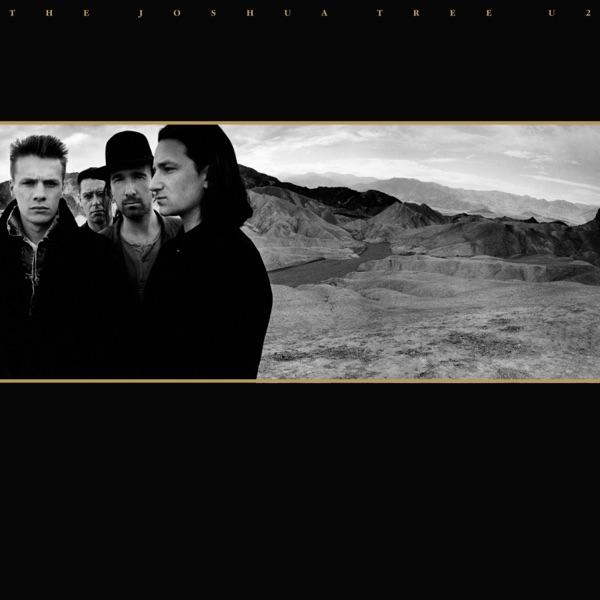
The Joshua Tree
100 Best Albums Shortly before U2 released what became one of the best-selling albums of all time, Bono thought about calling the record-pressing plant to stop production on it. Too many mistakes, he thought, too many wrong moves. He’d had this feeling before, of course—he later said he couldn’t figure out why anyone would even buy a U2 album. But the stakes were higher now: They’d already been crowned Band of the ’80s by Rolling Stone (in 1985, no less), and their live shows had become the kind of spectacles that inspired rapture. Add to this the anxiety that The Joshua Tree represented something new for the band: the gospel influences, the emotional nakedness, the introduction of understatement to a sound that had defined itself by its forthrightness. In the past, they’d let their songwriting be loose and in-the-moment—after all, planning would’ve been unpunk. Now they were exploring the liberations that come with constraint. Chrissie Hynde of the Pretenders had told Bono he had an amazing voice. But if he was going to sing the way he was capable of singing—the way he so obviously wanted to sing—he’d have to buckle down and write words he really believed in. If you lean in close, you can pull apart the sound in layers: the wisps of guitar, the bits of pocket-watch percussion (“One Tree Hill”). But if you sit back, it sounds minimal and direct. The words point to romantic love (“With or Without You,” “I Still Haven’t Found What I’m Looking For”) but also to the search for God and meaning—a reflection of the dualities they found in both gospel and the romanticism of Van Morrison and Patti Smith. The backdrop—the inky washes of sound, courtesy of Brian Eno and Daniel Lanois—captures constant change, but the foreground—the march-like rhythms, the impassioned vocals—is steadfast and firm. They rock with the tools of their era, but they also tap into something eternal. The album’s original title was The Two Americas</i...
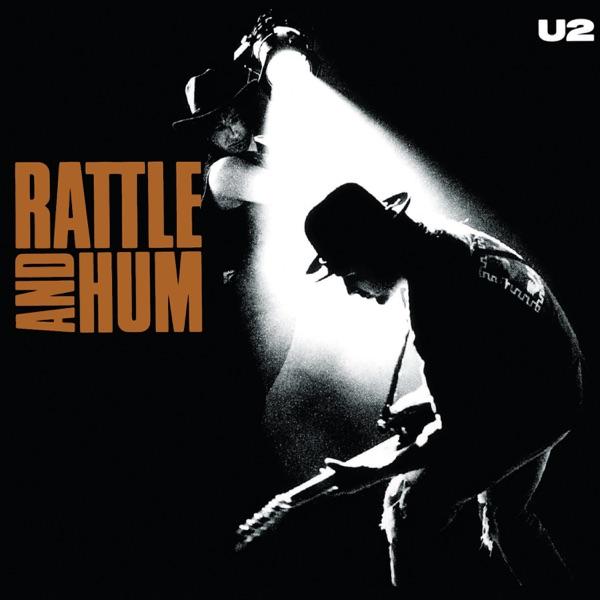
Rattle and Hum
By the late ’80s, U2 had climbed the highest mountains of rock success, having racked up sold-out stadium shows, multiple magazine covers, and a chart-topping album in The Joshua Tree. Bono and the boys had officially become the World’s Biggest Band—and now, they had to come up with an appropriately massive follow-up project. Should they make an indulgent double album? A lightning-capturing live album? What about a worshipful rock-doc? With the extravagant Rattle and Hum, U2 chose all three. A mix of new studio cuts and onstage highlights from the Joshua Tree tour, the album chronicles the US’s love for U2—and vice versa. A trip to historic Sun Studio yields “Angel of Harlem,” a swinging, horn-heavy ode to Billie Holiday that became an unlikely radio hit. It’s just one of several cuts that lets U2 dig deep into America’s musical past: The group teams with B.B. King for the wailing “When Love Comes to Town”; adopts a Bo Diddley shuffle on the grabby “Desire”; and collaborates with Bob Dylan for the languid ballad “Love Rescue Me.” Those in-studio moments—which also includes the stirring, straightforward love song “All I Want Is You”—are interspersed with a handful of tracks recorded during U2’s 1987 tear through America, and chronicled for the 1988 Rattle and Hum documentary. Those live moments find the band working overtime to match their fans’ arena-sized expectations: Bassist Adam Clayton and drummer Larry Mullen Jr. march in a lockstep groove to Dylan’s “All Along the Watchtower,” while the Edge lets rip on a fiery solo on “Bullet the Blue Sky.” And while Rattle and Hum’s concert tracks feature a few typically indulgent Bono bon mots—he opens a cover of the Beatles’ “Helter Skelter” by name-dropping Charles Manson—all is forgiven when Harlem’s New Voices of Freedom gospel choir shows up for a joyous rendition of “I Still Haven’t Found What I’m Looking For.” If that all sounds a bit all over the place…well, at the t...
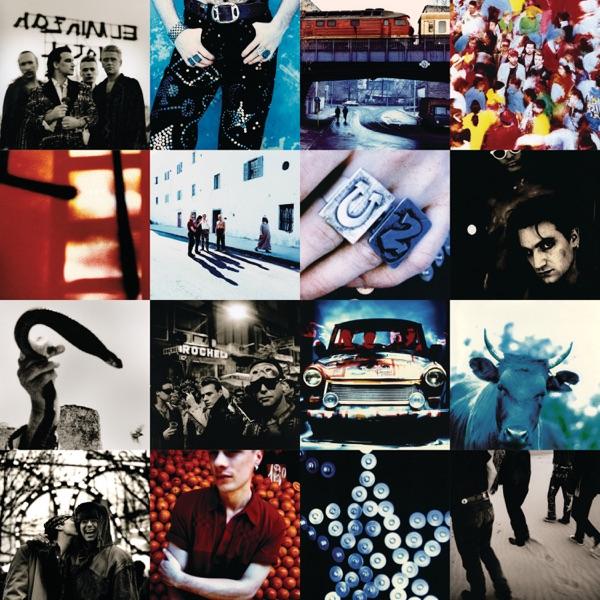
Achtung Baby
U2’s most transformative album—the one that would rejigger the band’s sound, re-energize its members, and win over even the band’s fiercest critics—began with a vague promise from Bono. On December 30, 1989, during a homecoming performance in Ireland, the U2 frontman bid farewell to the ’80s by declaring that his world-conquering band was taking a sabbatical from stardom. “We have to go away,” Bono announced, “and just dream it all up again.” The hasty retreat made sense, given the response to 1988’s highly hyped Rattle and Hum, an ambitious double album (and documentary film) that found U2 traveling through America in search of new sounds—and, to some observers, wallowing in self-seriousness. The band had always prompted its fair share of eye-rolling, but Rattle and Hum gave the group’s detractors even more ammo: Gospel choirs? Folk songs? Just who do these U2 guys think they are? The band members were wondering the same thing. So in 1990, they decamped to Germany, hoping the recent fall of the Berlin Wall could be the backdrop for a future-focused burst of creativity. Instead, the four band members—Bono, guitarist the Edge, drummer Larry Mullen Jr., and bassist Adam Clayton—began sparring in the studio, torn over what the ’90s version of U2 should sound like. The Edge, in particular, was fascinated by the noisy new wave of industrial artists like Nine Inch Nails and KMFDM—acts whose menace and aggression were far removed from U2’s brand of guitar-starred anthems. Not everyone was sold on the idea of a more aggro, less earnest version of U2. But the push and pull of the Achtung Baby sessions—which were later continued in Dublin—would result in 12 tracks of buzzsaw rock that sound as though they’d been created by a different band altogether. The album’s lead single, “The Fly,” is a grimy dance-floor come-on anchored by Clayton and Mullen’s strange new rhythms. And on “Mysterious Ways,” the Edge trades in his familiar clean-lined gu...
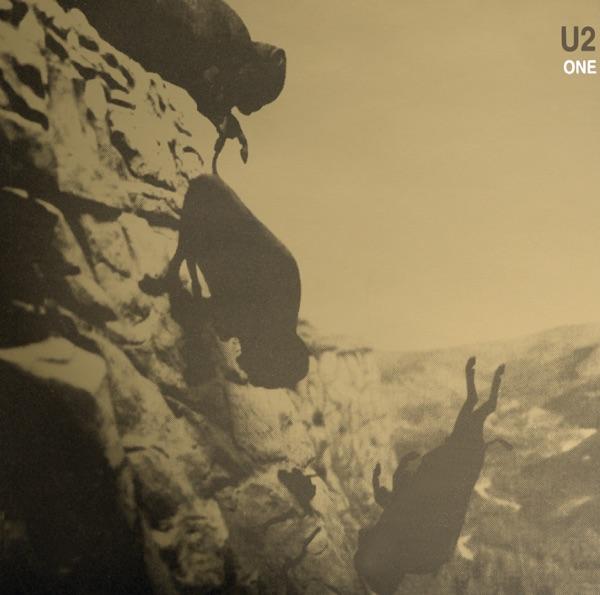
One - EP

Zooropa
Zooropa came as a surprise to everyone—even the members of U2. In the early ’90s, the group was in the middle of the mammoth Zoo TV tour when it became clear the newfound creative jolts and joys that had yielded Achtung Baby hadn’t diminished. There were more out-there ideas to be kicked around, and more sounds to be explored. The band members just needed some time to throw them all together. A months-long break between shows opened up U2’s schedule, while previous behind-the-scenes collaborators like Flood and Brian Eno opened the band members’ minds, helping them make sense of numerous sound loops the band had recorded during its Zoo TV sound checks. The hope was that all of this experimentation would lead to a short EP, one that U2 could promote on the road. But soon enough, the group had enough songs for an entire album—one of the fastest-produced in U2’s career, and also one of its darkest: a 10-track treatise on overbearing technology and overwhelming isolation—but with plenty of open-wide choruses and big beats. Zooropa’s groove ’n’ gloom approach is announced by the title track, a sci-fi-disco anthem about a man trying to break free from an ad-inundated dystopia. But the full chilliness of Zooropa doesn’t settle in until “Numb,” the album’s first single, featuring the Edge relaying a bunch of monotone commands—“Don’t think/Don’t worry/Everything’s just fine”—over a skittering drum track. It’s a hilarious bit of pleasingly overblown ennui, yet “Numb” became an unlikely pop hit, temporarily plastering the Edge’s milquetoast visage all over MTV. (Look—the ’90s were a weird time, OK?) There are more dance-floor pleasures to be found here—“Lemon” is a gorgeous slice of European-styled synth-pop—but Zooropa also finds U2 rolling out of the club and confronting the daylight. “Stay (Faraway, So Close!)” feels like the spiritual sequel to Achtung Baby’s “One”: an aching, soul-baring ballad that finds Bono trying ...
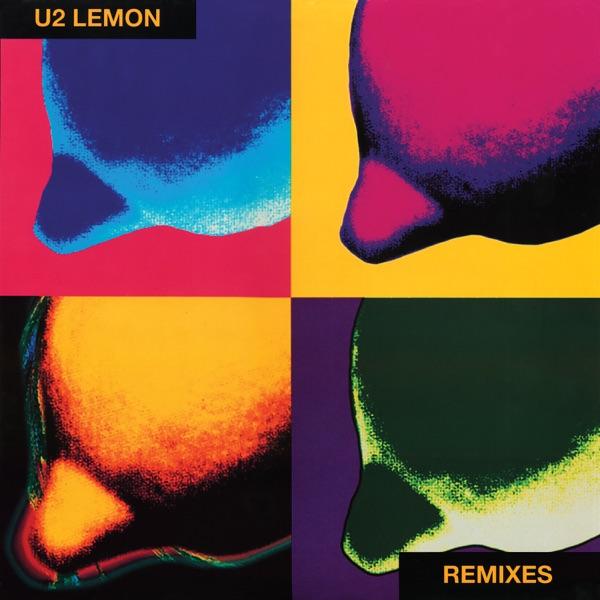
Lemon (Remixes) - EP
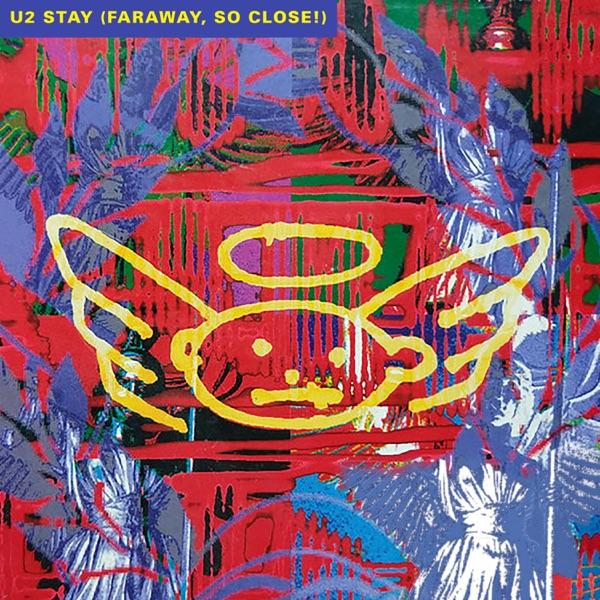
Stay (Faraway, So Close!) - EP
Original Soundtracks 1

If God Will Send His Angels - EP

Discothèque (Remastered 2024) - EP
Pop
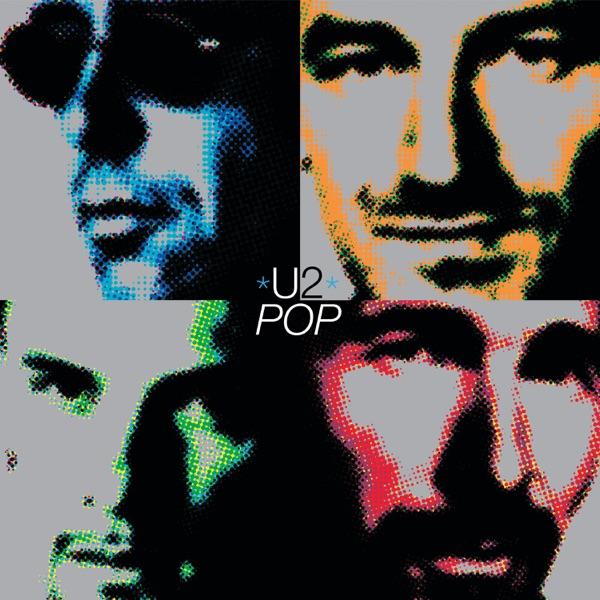
Few records sum up the strange state of late-1990s alt-rock like Pop—the final album of U2’s remarkable decade-long run, and certainly the band’s sweatiest. Recorded and released under tight deadlines, Pop would go down as one of U2’s biggest misfires: an overlong, overcooked attempt to convince the world that a band that had spent years pushing for social justice and spiritual salvation suddenly just wanted to dance. But for those listeners willing to indulge in U2’s trip to clubland, there are several moments of big-budget experimental ecstasy to be found within. In Pop’s defense: This was never gonna be an easy album to pull off. By the late ’90s, the record industry was struggling to understand where rock was headed next. Grunge was on its way out, replaced by a strange combo of bratty pop punk, third-eye-blinding guitar anthems, and whatever weirdo-cool stuff Beck was cooking up at the time. In the middle of this limbo was U2, a band that had reimagined its sound so thrillingly on both Achtung Baby and Zooropa—records that dirtied up and digitized the group’s solemn, arena-ready anthems. U2 had already pushed modern rock as far as it could, and it was time to look to a new frontier—specifically, the vibrant electronica and techno scenes that were bubbling up in Europe. The band headed into the studio in 1995 with the idea that it would be finished in time for a massive 1997 world tour. A team of producers and electro-consiglieres were brought in to help Bono, the Edge, and Adam Clayton find their groove, while drummer Larry Mullen Jr. dealt with back issues. After a few starts and stops, the band began crafting actual songs from the various fragments, loops, and samples they’d stockpiled in the studio. But with the tour’s start date looming, U2 had no choice but to rush-release Pop in order to get it in stores in time. The result is chaotic and sometimes confused—a record that features plenty ...

Staring At The Sun (Remastered 2024) - EP

Last Night On Earth (Remastered 2024) - EP
Please (Remastered 2024) - EP
Please - Single

If God Will Send His Angels (Remastered 2024) - EP

Mofo (Remixes / Remastered 2024)

Sweetest Thing (Remastered 2024) - EP
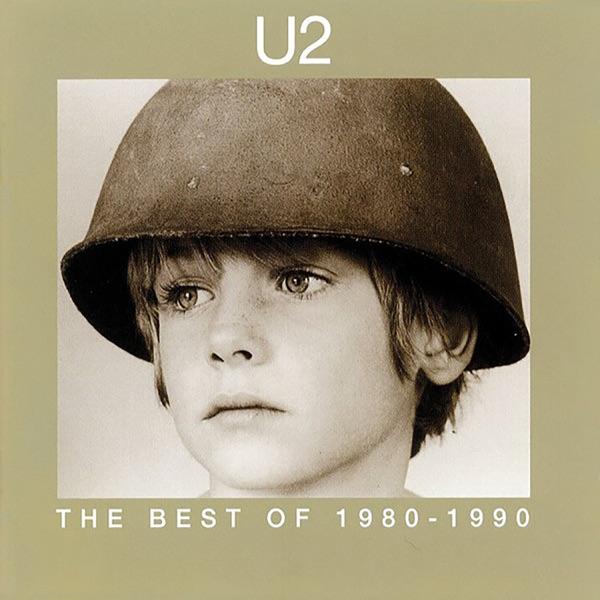
The Best of 1980-1990
U2 ended the decade as arguably its most important band. Certainly they carried themselves with a self-importance that pointed up their serious intentions towards world issues and their own evolution in sound. This non-chronological collection of hits and integral album tracks represents a powerful look into their stylistic versatility and emotional gravitas. “Pride (In the Name of Love)” stands as a towering anthemic opener, bursting with layers of shimmering, chiming guitars and Bono’s trademark yawp that leaps from centerstage to the back of the arena without losing nuance or impact. Even on the group’s most reflective moments, Bono serves grand dynamics. “Bad” is heartwrenching. “All I Want is You” longs with a somber hangover. While the obvious hits — “New Year’s Day,” “I Still Haven’t Found What I’m Looking For,” and “Sunday Bloody Sunday” — are wrapped in gorgeous production details that capture a band that understood the beauty of recordmaking as well as the need to speak the truth as they viewed it. Pompous? Grandiose? Perhaps. But also, great fun and only the first step in their musical journey.

The Best of 1980-1990 & B-Sides

Beautiful Day (Remastered 2024) - EP

All That You Can't Leave Behind
The members of U2 headed into the 2000s in the midst of an existential crisis—not to mention a musical one. The band had both overwhelmed and underwhelmed fans with 1997’s would-be future-disco record Pop. Around the same time, the group’s PopMart tour was earning millions of dollars, but few accolades. Suddenly, the group’s cool cred was in doubt. Perhaps this was inevitable: After all, lead singer Bono had spent the decade simultaneously playing up and poking fun at rock ’n’ roll ludicrousness—only for him and his bandmates to share the stage with a giant, sporadically malfunctioning lemon. Bono had started the decade as a jokester, and ended it as a punchline. All That You Can’t Leave Behind was a self-conscious corrective—the sound of a band turning down the noise, throwing out the glittery props, and refashioning the old-school U2 sound into something more stripped-away and direct. To some, All That You Can’t Leave Behind was a bold return; to others, a bit of a retreat. Either way, it sold a gazillion copies, and erased any doubt of U2’s raw abilities (while also seemingly wiping clean any collective cultural memory of PopMart). U2 makes its intentions for All That You Can’t Leave Behind clear from the get-go with the opening track: “Beautiful Day,” a monstrous, undeniable bit of uplift, featuring an atomic guitar riff the Edge apparently recorded while strapped to a jumbo jet, and a gorgeous mid-song harmonic breakdown. “Beautiful Day” is so on-the-nose, so perfectly U2, that everyone forgave its sheer U2-ness. And the song demonstrated what 21st-century commercial rock could (and would) sound like in the years ahead: loud, proud, and only slightly ridiculous. That was certainly the mantra behind the album’s other smash-hit anthem, “Elevation,” a trampolining assortment of swan-diving guitars and sky-high vocals that manages to answer the age-old question: “Can a rock song rhyme the words ‘mole,’ ‘...

Stuck In A Moment You Can't Get Out Of (Remastered 2024) - Single

Elevation (Remastered 2024) - EP

Walk On (Remastered 2024) - EP

Electrical Storm (Remixes) - EP
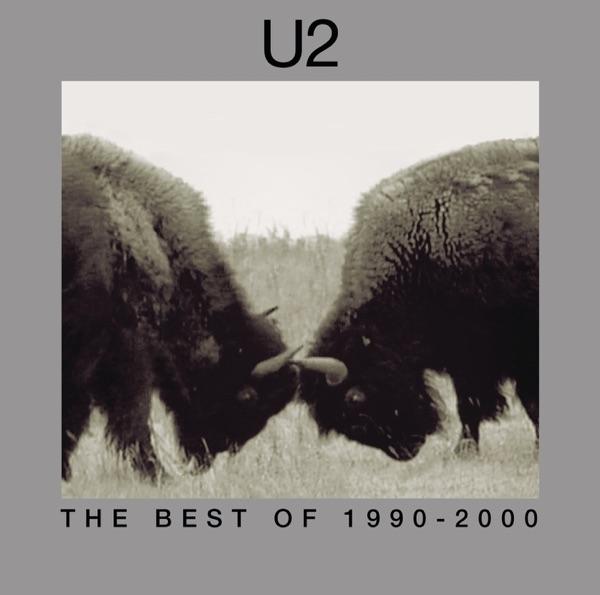
The Best of 1990-2000
U2 entered the 1990s determined to not be defined by their previous records. They looked for a fresh start with 1991’s Achtung Baby, casting aside the earnestness and any semblance of roots for an adventurous sprawl into the new decade. Each successive release pushed the boundaries until they’d felt they couldn’t go further and then, in a quick switchback, the group suddenly returned to their beginnings and classic U2 sound for 2000’s All That You Can’t Leave Behind. True to the band’s probing nature, this “Best Of” collection is more than just a collection of obvious hits (“One,” “Beautiful Day,” “Mysterious Ways”) but also a continuation of their sonic experimentalism, with new tracks that actually copyright in 2002 (“Electrical Storm,” “The Hands That Built America” the theme from Gangs of New York), obscurities (“Hold Me, Thrill Me, Kiss Me, Kill Me” from Batman & Robin), and remixes galore, including all the material from 1997’s Pop (“Discotheque,” “Staring at the Sun,” “Gone’). These reinventions make this less a “Greatest Hits” than another vantage point for even the hardcore U2 fan to take interest.

The Best of 1990-2000 & B-Sides

The Virtual Road – U2 Go Home: Live from Slane Castle Ireland (Remastered 2021) - EP

Take Me to the Clouds Above (LMC vs. U2)

Vertigo - EP

How To Dismantle An Atomic Bomb (Remastered 2024)

Sometimes You Can't Make It On Your Own - EP

City Of Blinding Lights - Single
All Because Of You - EP
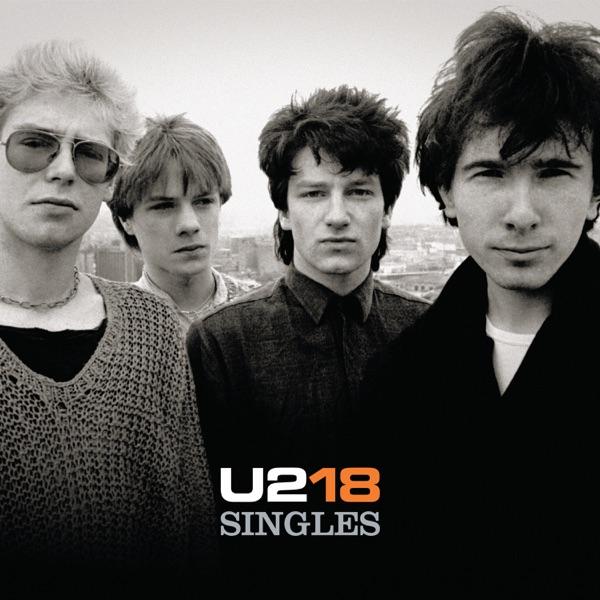
U218 Singles

Live from Paris (Hippodrome de Vincennes, Paris, 4th July, 1987)
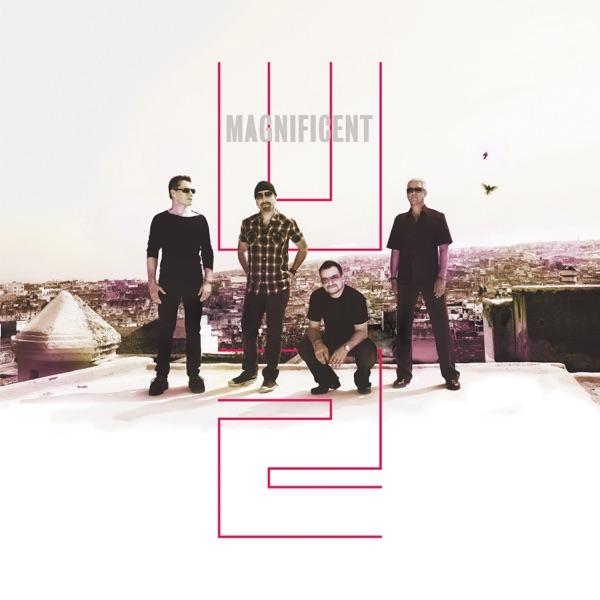
Magnificent (Remixes) - EP

I'll Go Crazy If I Can't Go Crazy Tonight (Remixes) - EP
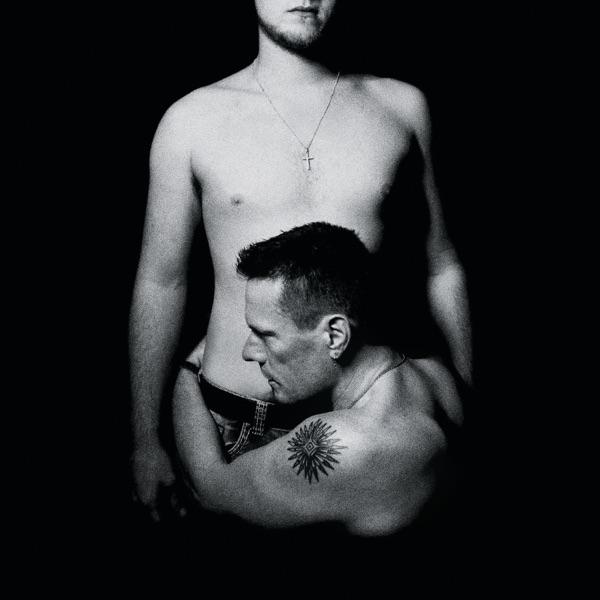
Songs of Innocence
Created during the recording sessions from their powerful 13th studio album, U2’s Songs of Innocence + is a dazzling collection of previously unheard material and alternate mixes of album tracks. Some of the band’s most personal songs to date are presented even more intimately here, including piano-based versions of “Every Breaking Wave” and “Song for Someone.” Previously unreleased tracks such as the psychedelic “Lucifer’s Hands” and neon disco-rock of “The Crystal Ballroom” provide a stirring snapshot of the recording sessions behind Songs of Innocence.
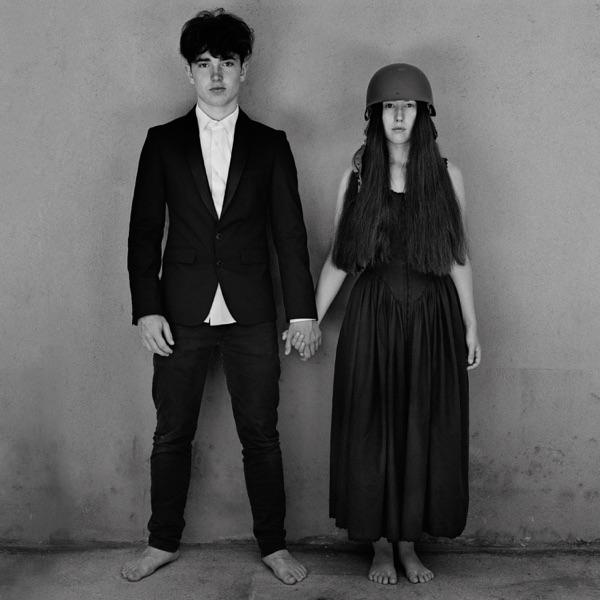
Songs of Experience
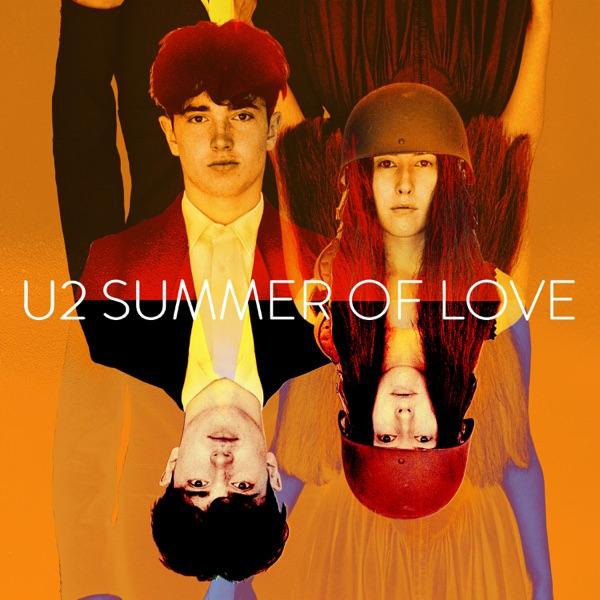
Summer of Love (Remixes) - EP

The Eternal Remixes - EP

The Virtual Road – PopMart Live from Mexico City 1997 - EP (Remastered 2021)

The Virtual Road – iNNOCENCE + eXPERIENCE, Live in Paris 2015 - EP (Remastered 2021)

I Believe In Father Christmas - EP
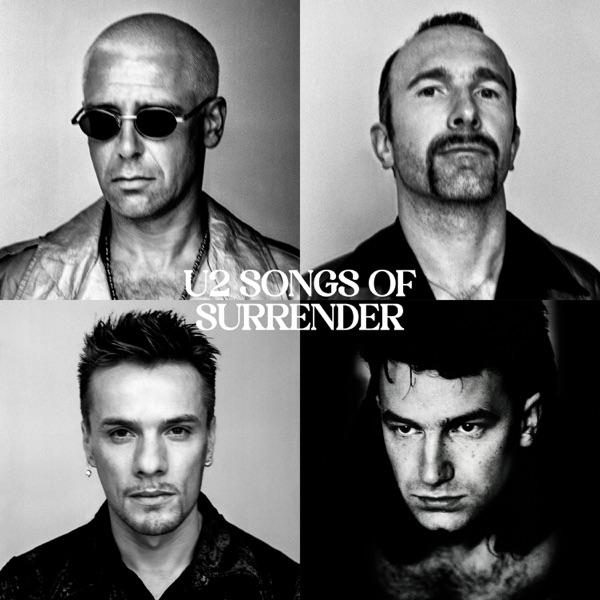
Songs of Surrender
“People say your songs are like your children,” Bono tells Apple Music. “Wrong: Your songs are like your parents. They tell you what to do, how to dress. But after a while, if you're successful, songs become big. They're owned by other people, not you. And with this collection, we were sort of trying to listen to them again and trying to think, well, first of all, will they hold up? Will they stand up to being broken down outside of the firepower of a rock ’n’ roll band like U2?” In their 45 years as a band, U2 has done little in the way of looking backwards. Bono’s 2022 memoir Surrender changed that—a story of his life and career told through the prism of 40 songs. Thanks to a global pandemic shelving whatever grander plans the band had, this compilation is an extrapolation of that, with 40 songs from across their vast catalog—10 selected by each band member—completely reworked, largely acoustically. “Suddenly we had the space and time to just make music without there being any kind of pressure or any expectation,” says The Edge. “This idea I'd been knocking around for a while was to try some more of our songs in a stripped-down way that we had done over the years. But also the joy of it was there was no necessity to put it out if we didn't like it.” For Bono, revisiting the past in such depth would not have been an option had the band not been doing so much work on new music; the project was as much a taking stock of where they’ve been as a map of where they can still go in their fifth decade. “Songs of Surrender is only possible because of so much amazing momentum for the future,” he says. “And to be fair, we have a drummer who is injured and can't be playing rock ’n’ roll. And so if we take this interest in acoustic music and intimacy being the new punk rock—which it is—I really believe in the force of intimacy and these earbuds and the way we listen to music now.” This intimate end result is not just a chance to revamp (or, in some cases, m...

ZOO TV (Live in Dublin, 1993) - EP
In the mid-’80s, U2 were lauded for how their music—and their outspoken lead singer, Bono—brought social and political concerns to pop’s mainstream. But by the end of the decade and the start of the ’90s, the group had developed a bit of a reputation for taking themselves too seriously, and that their pared-down concert stage had become a pulpit for their high-minded idealism. The group responded with the Zoo TV Tour—a video screen-heavy multimedia spectacle informed by 24-hour news channels, morning-zoo radio shows, shopping from home, and an all-around media and information overload that blurred the lines between entertainment and reality. The album the show supported (1991’s Achtung Baby) would help redefine the band as savvy pop provocateurs, but the tour itself would change the global concert-going experience from there on out, inspiring countless stadium-size acts to level up their stage productions. Presented here are five tracks from the two Dublin dates of the tour, which spanned 157 dates throughout 1992 and 1993. They capture the band in all their tight-but-loose confidence: The Edge’s dive-bomber guitars that open “Zoo Station,” Bono’s improvisatory vocal shifts on “Mysterious Ways,” the ease with which the singer soars on “Stay (Faraway, So Close!).” It’s not just a key document of the band in their hometown at the height of their ’90s-era powers, but it also underscores the creative link between Achtung Baby and 1993’s Zooropa, which they recorded during tour breaks.

How To Re-Assemble An Atomic Bomb

Stories Of Surrender EP (feat. The Jacknife Lee Ensemble) - Single
In performances surrounding the release of his 2022 memoir Surrender: 40 Songs, One Story, Bono put on a show like only he can. The U2 icon not only recounted tales from his nearly five decades as an artist and activist, he presented songs from the band’s vast catalog in reimagined form. Hear three of the songs from the Apple Original documentary right here.
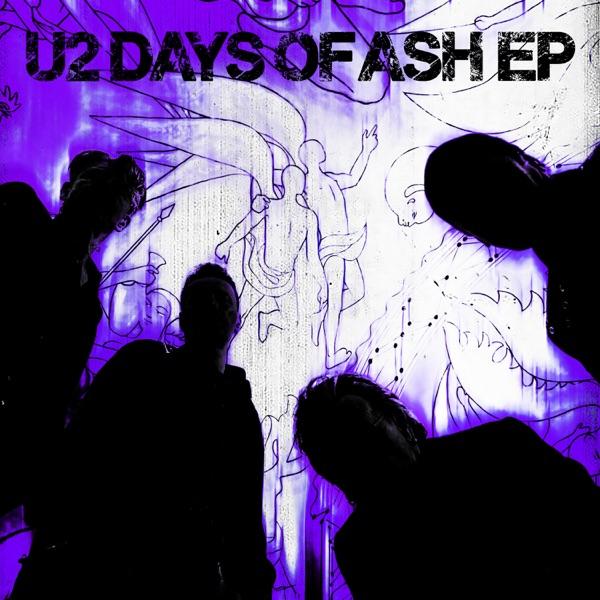
Days Of Ash - EP
From the early 2010s onward, U2 entered a long period of personal reflection that yielded autobiographical albums (the Songs of Innocence/Songs of Experience albums), Bono’s memoir (Surrender: 40 Songs, One Story), and albums inspired by Bono’s memoir (the career-spanning acoustic-reinterpretations set Songs of Surrender). But on this surprise release, the Irish rock legends are once again saying, “I can’t believe the news today.” Days of Ash is a rarity in the U2 canon: a non-live EP that functions as a mini six-track concept album, and released with none of their characteristic fanfare. And while its dimensions are small, its ambitions are huge, with Bono and co. taking stock of the state of the world—from Minneapolis to Ukraine to Gaza. “American Obituary” is U2’s rueful response to the shooting death of Renée Good by an ICE agent, but its funky Achtung-esque groove and gospel-gilded sentiments (“I love you more than hate loves war!”; “America will rise!”) channel an expression of grief into an uplifting rallying cry. The Dylanesque standout “The Tears of Things” frames the global struggle against authoritarianism with David-vs.-Goliath metaphors and “let my people go” invocations en route to a skyscraping display of Bono in his rabble-rousing element. The liberation anthem “Yours Eternally” sees U2 unite Ed Sheeran with Ukrainian singer/activist Taras Topolia to deliver an alt-pop liberation anthem that hits like a tidal wave. But Days of Ash isn’t all wide-eyed optimism in the face of horror: The EP includes a recitation of Israeli poet Yehuda Amichai’s “Wildpeace”—a former soldier’s meditation on the intergenerational traumas of perpetual war—and follows it with “One Life at a Time,” a tense, acoustic-powered sidewinder that acknowledges peace is more easily preached than achieved.