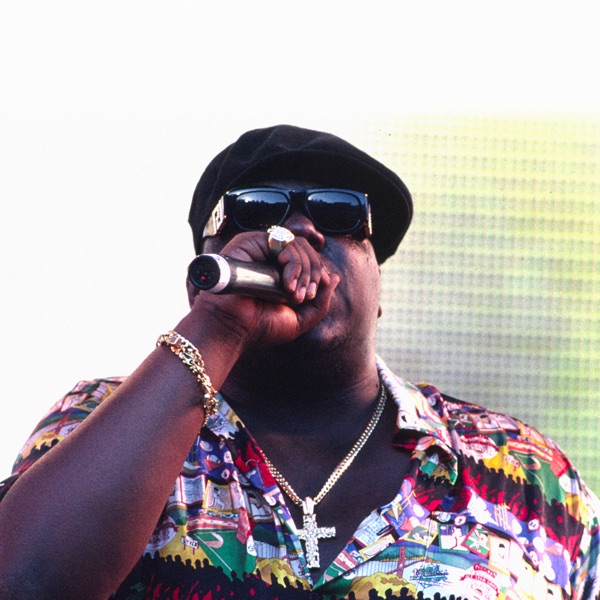
Artist
The Notorious B.I.G.
Albums

Juicy / Unbelievable - EP

Ready to Die (The Remaster)
100 Best Albums By the age of 22, Christopher Wallace had already lived quite the life. By naming his debut Ready to Die, the Brooklyn rapper bluntly encapsulated both his fearless, take-no-prisoners lyrical style and his perpetual sixth sense that death could come for him at any time. While hardly the first to rap about the pleasures and pitfalls of drug dealing, The Notorious B.I.G. elevated the form to a divine art of brutal honesty. “I remember when he was doing the title track, I was a little disturbed,” Easy Mo Bee, who produced several of the album’s standouts, tells Apple Music. “‘You’re saying you’re ready to die? What’s up, Big?’ He told me, ‘I’m going through a lot...I’m tired of being up there hustling, my mom is sick, I have a baby on the way.’ He was going through a lot of pressure.” From the autobiographical “Things Done Changed” onwards, Biggie Smalls spoke directly, without distillation, about Brooklyn crime and culture, connecting instantly with those in the know while compelling others less attuned to catch up. The violence and costs of the hustle are laid bare on the stick-up-kid anthem “Gimme the Loot” and the closer “Suicidal Thoughts,” which ends with the sound of him killing himself while on the phone with executive producer/mentor Sean “Diddy” Combs (then known as Puff Daddy), who pleads for him to reconsider. But against the backdrop of violence and death, Big mixes in moments of aspiration and confidence. On the seminal breakthrough single “Juicy,” he professes his love of hip-hop through a deeply personal come-up narrative so exemplary that few, if any, have come close to matching it since. The song, which samples Mtume’s 1983 R&B classic “Juicy Fruit,” is one of the first examples of Diddy turning extremely recognizable past hits into commercial hip-hop gold; the shiny, familiar production helped Big’s gruff voice and tales of a “common thief” find radio and mainstream success in a year when the biggest rap h...

Big Poppa - EP

Who Shot Ya? / Warning - EP

One More Chance

Hypnotize - EP

Life After Death (2014 Remaster)
How to top a debut that single-handedly reinvigorated East Coast gangsta rap? Pick up right where it left off, but make everything way bigger. Christopher Wallace’s sprawling second album ramps up the drama and the pop sheen: "Mo Money Mo Problems" turns a sparkling Diana Ross sample into a "triple beam lyrical dream," and the smooth, rolling "Hypnotize" is as spellbinding as its title promises. Still, Big never sacrificed any of the narrative grit—look no further than “Ten Crack Commandments” or his much-imitated, never-duplicated flow.

Life After Death (25th Anniversary Super Deluxe Edition)
![Life After Death [Amended Version] (2014 Remaster)](/_next/image?url=https%3A%2F%2Fapi.igotalist.com%2Fstorage%2Fv1%2Fobject%2Fpublic%2Flist-thumbnails%2Fthe-notorious-big%2Flife-after-death-amended-version-2014-remaster.jpg&w=640&q=75)
Life After Death [Amended Version] (2014 Remaster)
How to top a debut that single-handedly reinvigorated East Coast gangsta rap? Pick up right where it left off, but make everything way bigger. Christopher Wallace’s sprawling second album ramps up the drama and the pop sheen: "Mo Money Mo Problems" turns a sparkling Diana Ross sample into a "triple beam lyrical dream," and the smooth, rolling "Hypnotize" is as spellbinding as its title promises. Still, Big never sacrificed any of the narrative grit—look no further than “Ten Crack Commandments” or his much-imitated, never-duplicated flow.

Mo Money Mo Problems

Born Again (2005 Remaster)
Elevating street-smart tales into gilded parables, Biggie’s posthumous third release collates the late rapper’s archival verses, both unheard and ubiquitous, with the fresh beats and rhymes of over 24 guests. This juxtaposition emphasizes the walloping lyrical rumble the NYC giant could conjure, singular among any constellation of MCs.
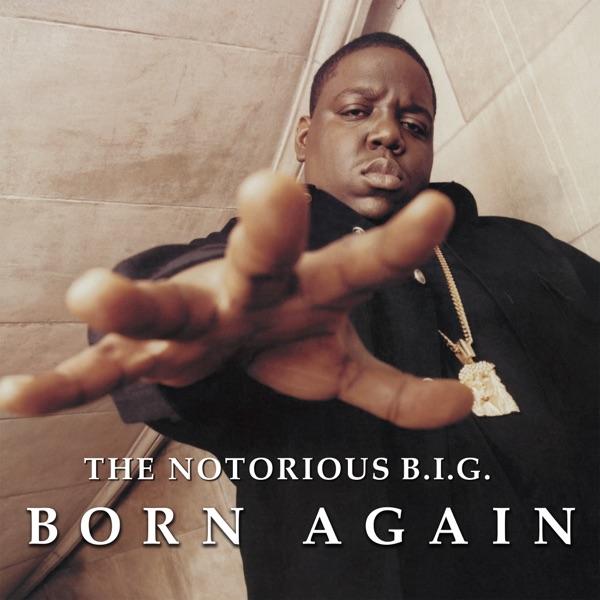
Born Again

Duets: The Final Chapter (20th Anniversary Deluxe)
His second posthumous album assembles archival Biggie verses, a few unreleased and many familiar from his greatest hits, with innovative production. New beats and new vocals from an all-star cast fill out the album, most memorably when Swizz Beatz transforms “Notorious Thugs” into the explosive “Spit Your Game.”

Duets: The Final Chapter
His second posthumous album assembles archival Biggie verses, a few unreleased and many familiar from his greatest hits, with innovative production. New beats and new vocals from an all-star cast fill out the album, most memorably when Swizz Beatz transforms “Notorious Thugs” into the explosive “Spit Your Game.”

Greatest Hits
Still counted as one of the game’s finest a decade after his death, Christopher Wallace gets enough love that his Greatest Hits collection was able to debut at Number One on the album chart. Tracks from Ready to Die and Life After Death are joined by J.U.N.I.O.R. Mafia’s “Get Money” and various posthumously engineered duets. This an important reminder of a foreshortened legacy — one that will continue to thrive.

The Notorious B.I.G.: Greatest Hits
Still counted as one of the game’s finest a decade after his death, Christopher Wallace gets enough love that his Greatest Hits collection was able to debut at Number One on the album chart. Biggie’s intensity was furthered by a deceptively mellow delivery, while even his lusher-sounding material stood in the shadow cast by his anger and what he recognized as a morally flawed past. Those sides are once again fleshed out here, with tracks from Ready to Die and Life After Death joined by J.U.N.I.O.R. Mafia’s “Get Money” and various posthumously engineered duets. (The popular “One More Chance” remix and the, er, notorious B-side “Who Shot Ya” are here as well.) The sense that a second generation of fans is discovering the rapper makes this an important reminder of a foreshortened legacy — one that will continue to thrive.
![Notorious (Music from and Inspired By the Original Motion Picture) [Deluxe Version]](/_next/image?url=https%3A%2F%2Fapi.igotalist.com%2Fstorage%2Fv1%2Fobject%2Fpublic%2Flist-thumbnails%2Fthe-notorious-big%2Fnotorious-music-from-and-inspired-by-the-original-motion-picture-deluxe-version.jpg&w=640&q=75)
Notorious (Music from and Inspired By the Original Motion Picture) [Deluxe Version]

Notorious (Music from and Inspired By the Original Motion Picture)
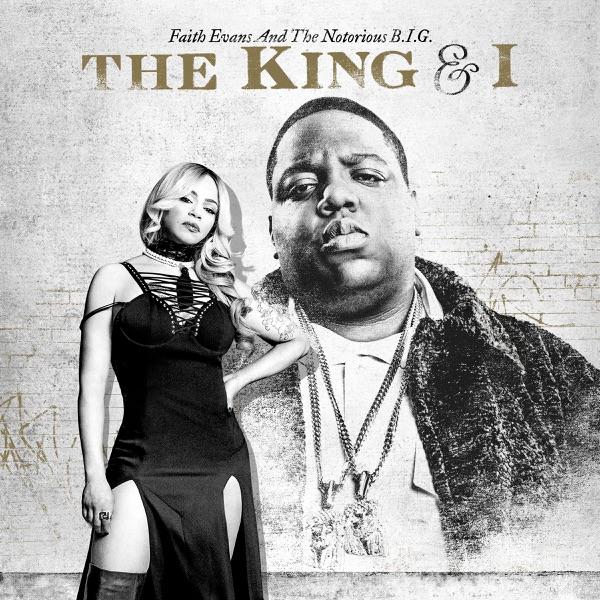
The King & I
The Notorious B.I.G. and Faith Evans get the Nat King Cole/Natalie Cole duet treatment. Biggie verses—including a few heard for the first time here—are draped across these tracks. There are loving testimonials like “Legacy” and “One in the Same,” which is about their son C.J. Wallace. “When We Party” pictures Big rolling in the LBC with Snoop Dogg. Other guests include Busta Rhymes, the Bad Boy family (The L.O.X., 112, Lil Kim), and Biggie’s mother, Voletta Wallace, who drops heartfelt interludes between songs.

Music Inspired By Biggie: I Got A Story To Tell

Notorious I: The Notorious B.I.G. - EP

Notorious II: Biggie - EP

Notorious III: Christopher Wallace - EP

Notorious IV: Big Poppa - EP

Notorious V: The King of New York - EP

Breakin' B.I.G: The Sandbox - EP

Ready To Die: For The Respect - EP

Ready To Die: For The Money - EP
