Artist
Taylor Swift
Albums

Taylor Swift (Bonus Track Version)
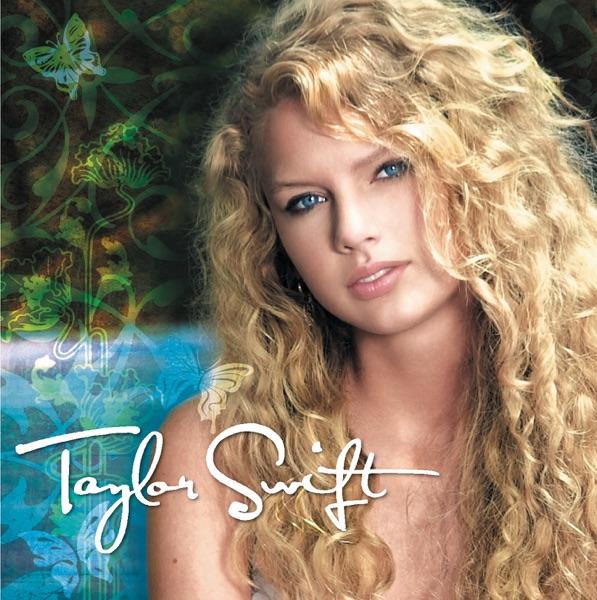
When she was just 14, Taylor Swift’s family moved from Pennsylvania to Nashville to help their daughter’s dreams of being a country music star come true. She began playing open mics and new artist showcases around Music City, eventually getting signed to Big Machine. She immediately got to work on her debut album with producer Nathan Chapman and co-writers like Robert Ellis Orrall, Angelo Petraglia, and Liz Rose. The result was Taylor Swift, a ferocious and prodigious debut that put Swift immediately on the map. Her first single “Tim McGraw” set a high bar: She singled out one of the biggest country music stars of all time as a source of nostalgia for the most romantic times with a lover. “Teardrops on My Guitar” found her further fine-tuning her ballad skills, making a perfectly weepy breakup song that you didn’t need to be in high school to understand deeply. But Swift was just as adept at making upbeat radio hits like her influences like Faith Hill and The Chicks. “Picture to Burn” and “Should’ve Said No” are sharp, funny, and vicious kiss-offs, the type of biting breakup postmortem that she would come to perfect over the next two decades. Meanwhile, the bubblegum country-pop of “Our Song” is a distinctly down-home love song, with its playful imagery and infectious, instantly memorizable chorus. Taylor Swift made clear that the world had more than a teeny-bopper star on its hands. Swift immediately categorized herself among the greats by picking up her guitar and singing confidently and directly from the heart.

Taylor Swift (Big Machine Radio Release Special)
Taylor Swift
When she was just 14, Taylor Swift’s family moved from Pennsylvania to Nashville to help their daughter’s dreams of being a country music star come true. She began playing open mics and new artist showcases around Music City, eventually getting signed to Big Machine. She immediately got to work on her debut album with producer Nathan Chapman and co-writers like Robert Ellis Orrall, Angelo Petraglia, and Liz Rose. The result was Taylor Swift, a ferocious and prodigious debut that put Swift immediately on the map. Her first single “Tim McGraw” set a high bar: She singled out one of the biggest country music stars of all time as a source of nostalgia for the most romantic times with a lover. “Teardrops on My Guitar” found her further fine-tuning her ballad skills, making a perfectly weepy breakup song that you didn’t need to be in high school to understand deeply. But Swift was just as adept at making upbeat radio hits like her influences like Faith Hill and The Chicks. “Picture to Burn” and “Should’ve Said No” are sharp, funny, and vicious kiss-offs, the type of biting breakup postmortem that she would come to perfect over the next two decades. Meanwhile, the bubblegum country-pop of “Our Song” is a distinctly down-home love song, with its playful imagery and infectious, instantly memorizable chorus. Taylor Swift made clear that the world had more than a teeny-bopper star on its hands. Swift immediately categorized herself among the greats by picking up her guitar and singing confidently and directly from the heart.

iTunes Live from SoHo

The Taylor Swift Holiday Collection - EP

Live From Clear Channel Stripped 2008
Fearless
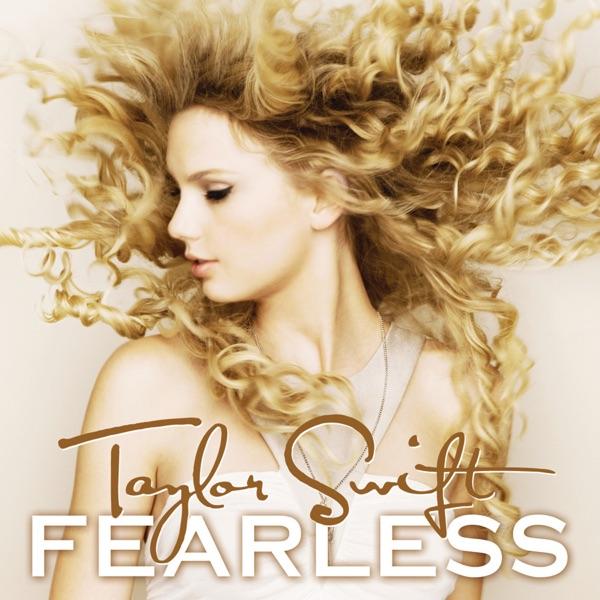
In the wake of her celebrated self-titled debut, Taylor Swift was an 18-year-old country prodigy ready to take on the world. With Fearless, she accomplished just that, proving that she was more than just a Nashville wunderkind. Across the album, Swift channels the ups and downs of young romance through the starry-eyed lens of a girl who still believes fairy tales are possible. Plucky title track “Fearless” imagines a dreamy first date. Meanwhile, lead single “Love Story” completely rewrites Shakespeare’s Romeo & Juliet, envisioning a happier ending for two star-crossed lovers. And the irresistibly catchy “You Belong with Me” features a determined Swift, one who knows her crush is settling for the cheer captain in a short skirt. But the Swift of her Fearless era is also starting to see the cracks and realities in burgeoning adulthood. On “Fifteen,” she’s already reminiscing about life three years earlier. She’s older, wiser, and finally certain that life doesn’t end when the first person you fall in love with ends up not being The One. And when her heart gets broken mid-album (by a Jonas Brother, no less), Swift takes her sadness and spins gold with power ballads like “Forever & Always.” On “White Horse,” she deduces that her fairy-tale ending may be farther away than she imagined, a coming-of-age moment in real time. Swift was still a couple albums away from her full pop pivot, but the hints of those Top 40 sensibilities are loud and clear. Alongside Nashville heavyweights like Liz Rose, John Rich, Hillary Lindsey, and Nathan Chapman, Swift takes her sound to the arenas she’ll soon play.

Fearless (Platinum Edition)
In the wake of her celebrated self-titled debut, Taylor Swift was an 18-year-old country prodigy ready to take on the world. With Fearless, she accomplished just that, proving that she was more than just a Nashville wunderkind. Across the album, Swift channels the ups and downs of young romance through the starry-eyed lens of a girl who still believes fairy tales are possible. Plucky title track “Fearless” imagines a dreamy first date. Meanwhile, lead single “Love Story” completely rewrites Shakespeare’s Romeo & Juliet, envisioning a happier ending for two star-crossed lovers. And the irresistibly catchy “You Belong with Me” features a determined Swift, one who knows her crush is settling for the cheer captain in a short skirt. But the Swift of her Fearless era is also starting to see the cracks and realities in burgeoning adulthood. On “Fifteen,” she’s already reminiscing about life three years earlier. She’s older, wiser, and finally certain that life doesn’t end when the first person you fall in love with ends up not being The One. And when her heart gets broken mid-album (by a Jonas Brother, no less), Swift takes her sadness and spins gold with power ballads like “Forever & Always.” On “White Horse,” she deduces that her fairy-tale ending may be farther away than she imagined, a coming-of-age moment in real time. Swift was still a couple albums away from her full pop pivot, but the hints of those Top 40 sensibilities are loud and clear. Alongside Nashville heavyweights like Liz Rose, John Rich, Hillary Lindsey, and Nathan Chapman, Swift takes her sound to the arenas she’ll soon play.

Fearless (Big Machine Radio Release Special)
Making the shift from teen sensation to mature artist can be tough, but on her second album, Fearless, an 18-year-old Taylor Swift did it with style. The songs ring out with angst and delight in equal measure. Guitars chime and beats bounce as Swift sails through the title track, “Hey Stephen,” and “You Belong With Me” with boundless joy. These moments glow all the more alongside thoughtful tunes like “Fifteen” (a knowing glance back at high school) and “White Horse” (a snapshot of lost innocence).
Speak Now
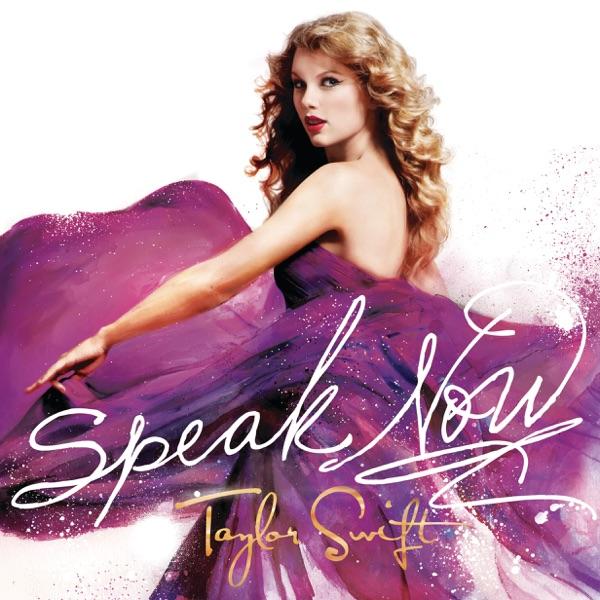
“Real life is a funny thing, you know,” Taylor Swift wrote in the liner notes of 2010’s Speak Now, her third album and the third she’s rerecorded as part of a sweeping effort to regain her master tapes. “There is a time for silence. There is a time for waiting your turn. But if you know how you feel, and you so clearly know what you need to say, you’ll know it.” Swift was in her early twenties when she wrote Speak Now, still finding her voice as an artist and as an adult. We all know what came next for Swift with 2012’s Red, but looking back, you can easily see and hear what’s on the horizon in these songs. The grace of Speak Now is in how it makes simple work out of feelings that are anything but. Swift is vulnerable here, but she’s also self-empowered (“Mean”). She’s innocent, but knows when to take responsibility (“Dear John”). She’s wise enough to regret her mistakes (“Back to December”), but not too jaded see the best in people (“Innocent”). Does she want to grow up? Yes, if that means more agency and independence (“Speak Now”). But when you’re all alone in that new apartment, you still might cry—not just for the childhood home you left, but for the knowledge that you can never go back (“Never Grow Up”). The sound is big, but the details are extremely specific—at one point, Swift says her rival thinks she’s crazy because Swift likes to rhyme her name with things (pop-punk blowout “Better Than Revenge”). It’s that balance—the universal and the specific, the accessible and the obscure—that not only sets Swift apart from most contemporary pop songwriters, but makes her a guide for anyone trying to sort out the impossible avalanche of feelings early adulthood brings. Not that you have to be a teenager to resonate with her. If anything, what makes Swift special is her hunch that everyone has had their turn at the heartache she writes about, whether they’re ready to admit it or not. In her liner notes for Fearless, she describ...

Speak Now (Deluxe Edition)
“Real life is a funny thing, you know,” Taylor Swift wrote in the liner notes of 2010’s Speak Now, her third album and the third she’s rerecorded as part of a sweeping effort to regain her master tapes. “There is a time for silence. There is a time for waiting your turn. But if you know how you feel, and you so clearly know what you need to say, you’ll know it.” Swift was in her early twenties when she wrote Speak Now, still finding her voice as an artist and as an adult. We all know what came next for Swift with 2012’s Red, but looking back, you can easily see and hear what’s on the horizon in these songs. The grace of Speak Now is in how it makes simple work out of feelings that are anything but. Swift is vulnerable here, but she’s also self-empowered (“Mean”). She’s innocent, but knows when to take responsibility (“Dear John”). She’s wise enough to regret her mistakes (“Back to December”), but not too jaded see the best in people (“Innocent”). Does she want to grow up? Yes, if that means more agency and independence (“Speak Now”). But when you’re all alone in that new apartment, you still might cry—not just for the childhood home you left, but for the knowledge that you can never go back (“Never Grow Up”). The sound is big, but the details are extremely specific—at one point, Swift says her rival thinks she’s crazy because Swift likes to rhyme her name with things (pop-punk blowout “Better Than Revenge”). It’s that balance—the universal and the specific, the accessible and the obscure—that not only sets Swift apart from most contemporary pop songwriters, but makes her a guide for anyone trying to sort out the impossible avalanche of feelings early adulthood brings. Not that you have to be a teenager to resonate with her. If anything, what makes Swift special is her hunch that everyone has had their turn at the heartache she writes about, whether they’re ready to admit it or not. In her liner notes for Fearless, she describ...

Speak Now (Big Machine Radio Release Special)

Speak Now - World Tour Live
If you’ve never experienced Swift perform up close and in person, Speak Now-World Tour (Live)—recorded on various stages and arenas during her 2011 global tour—is as close as you can get. The impassioned “Sparks Fly” kicks off these 16 collected performances against the wild cheers of her devoted fans. Swift’s rendition of “Mine” is a standout track, serving as a reminder that there’s a lot of old-school country pop in the roots of her songwriting. (Check out the rabid crowd singing along to the chorus of this one.) Fans can always expect Swift to deliver awesome and unpredictable covers in her shows, and she delivers the goods here with a gorgeous acoustic reworking of Kim Carnes’ “Bette Davis Eyes” and a take on Train’s “Drops of Jupiter” that upstages the original.
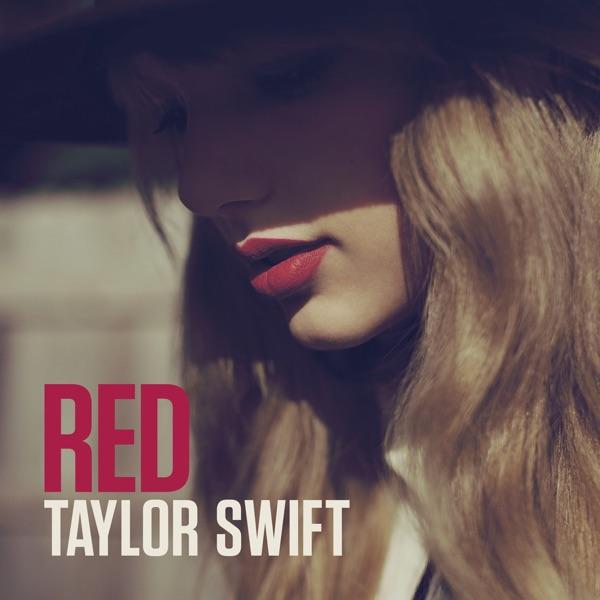
Red
Nashville was never big enough to contain Taylor Swift. So for her fourth album, she turned to Sweden for a pop-hit crash course from the biggest expert she should find: Max Martin. After spending her teens dominating the pop charts as a country artist, it was time for Swift to get a taste of making pure pop music. Red was the first toe-dip into a sound that would come to define much of her career: a seamless blend between her country roots and her pop ambitions. With Martin and his collaborator Shellback, Swift blended guitar riffs with EDM drum fills and dub drops. Gleeful kiss-off “We Are Never Ever Getting Back Together” bait-and-switches with a country guitar riff bleeding into four-on-the-floor bass drum beats and synthesizers. The song would cause a lot of commotion before garnering Swift her first-ever No. 1 hit. On “I Knew You Were Trouble,” Swift is even more experimental, with a full dubstep build-up and drop hitting during the chorus. Swift would save a full-blown pop album for her next; Red was just a bit of a teaser that still focuses on the country sound she was known for. In order to bridge the disparate energies of a synth-explosion like “22” with the down-home twanginess of one like “Stay Stay Stay,” she often finds herself pulling inspiration from the ’80s stadium rock of stars like Bruce Springsteen, U2, and Tom Petty. She goes full “American Girl” on “State of Grace” and makes pal Ed Sheeran the Don Henley to her Stevie Nicks on “Everything Has Changed.” The crown jewel of the album, however, sits at that infamous Track 5 spot. “All Too Well” takes the best of all Swift’s worlds and pours them into an emotional, heart-wrenching, brilliant power ballad. Even Swift herself has regarded it as one of her best, the truest breakup song in an album that she has referred to as her “only true break-up album.”

Red (Big Machine Radio Release Special)

Red (Deluxe Edition)
In a primary color, Taylor Swift captures the essence of her fourth record: it represents her taste for vengeance, her hot-blooded romantic streak, and the neon-lit pulse of a dance floor. The banjo pluck of the title track and acoustic ballad “All Too Well” will resonate with country fans, but glossy singles like “We Are Never Ever Getting Back Together'' and “I Knew You Were Trouble” seem destined for a broader audience—one that’s just as vivid as the title suggests.
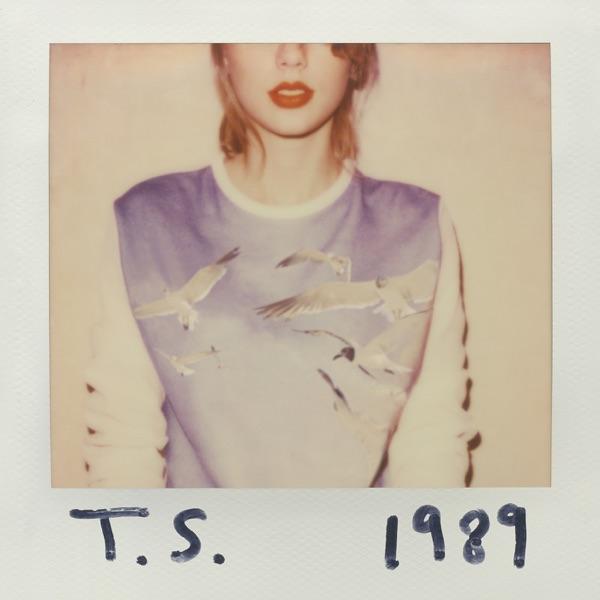
1989
It’s weirdly easy to forget that in 2014, Taylor Swift was still approaching (nah, engineering) an inflection point in her life and career, reintroducing herself (at just 24) as the all-conquering, planet-like presence we know today. She’d already started adjusting the ratio of country to pop on 2010’s Speak Now and 2012’s Red, working with Swedish superproducers Max Martin and Shellback on the latter. On 1989, Swift did away with the idea of ratios entirely—just launched them into the ocean, and went all the way. Musically, it wasn’t just her embrace of big beats and shiny surfaces, but a sense of lightness and play as well. Where 2008’s Fearless and Speak Now take their dramas to Shakespearean heights, 1989 celebrates a newly liberated life of flings (“Style”), weekend getaways (“Wildest Dreams”), and the kind of confidence a younger Taylor Swift was too passionately involved to grasp. So while “Welcome to New York” is her way of letting everyone know that she’s at least momentarily done with country music and Nashville and the constrictions they put on her image and sound, it’s also a song about turning your eye outward and surrendering to the possibilities only a city like New York can offer. And where she may have taken things personally in the past, now she’s just trying to have fun (“Shake It Off”). “Blank Space” even manages to make light of her gravest and most well-protected subject: Taylor Swift. Like Shania Twain’s Come On Over or even Bob Dylan’s Bringing It All Back Home, 1989 is an instance in which an artist deliberately defies expectations and still manages to succeed. Swift didn’t exactly grow up with the synthesized, ’80s-inspired sounds that producers like Martin, Shellback, Ryan Tedder, and future bestie Jack Antonoff help her create here; as the album’s title reminds you, she wasn’t even born until the decade was ending. But just as she played with the traditions and con...

1989 (Deluxe Edition)
It’s weirdly easy to forget that in 2014, Taylor Swift was still approaching (nah, engineering) an inflection point in her life and career, reintroducing herself (at just 24) as the all-conquering, planet-like presence we know today. She’d already started adjusting the ratio of country to pop on 2010’s Speak Now and 2012’s Red, working with Swedish superproducers Max Martin and Shellback on the latter. On 1989, Swift did away with the idea of ratios entirely—just launched them into the ocean, and went all the way. Musically, it wasn’t just her embrace of big beats and shiny surfaces, but a sense of lightness and play as well. Where 2008’s Fearless and Speak Now take their dramas to Shakespearean heights, 1989 celebrates a newly liberated life of flings (“Style”), weekend getaways (“Wildest Dreams”), and the kind of confidence a younger Taylor Swift was too passionately involved to grasp. So while “Welcome to New York” is her way of letting everyone know that she’s at least momentarily done with country music and Nashville and the constrictions they put on her image and sound, it’s also a song about turning your eye outward and surrendering to the possibilities only a city like New York can offer. And where she may have taken things personally in the past, now she’s just trying to have fun (“Shake It Off”). “Blank Space” even manages to make light of her gravest and most well-protected subject: Taylor Swift. Like Shania Twain’s Come On Over or even Bob Dylan’s Bringing It All Back Home, 1989 is an instance in which an artist deliberately defies expectations and still manages to succeed. Swift didn’t exactly grow up with the synthesized, ’80s-inspired sounds that producers like Martin, Shellback, Ryan Tedder, and future bestie Jack Antonoff help her create here; as the album’s title reminds you, she wasn’t even born until the decade was ending. But just as she played with the traditions and con...

1989 (Big Machine Radio Release Special)

reputation Stadium Tour Surprise Song Playlist
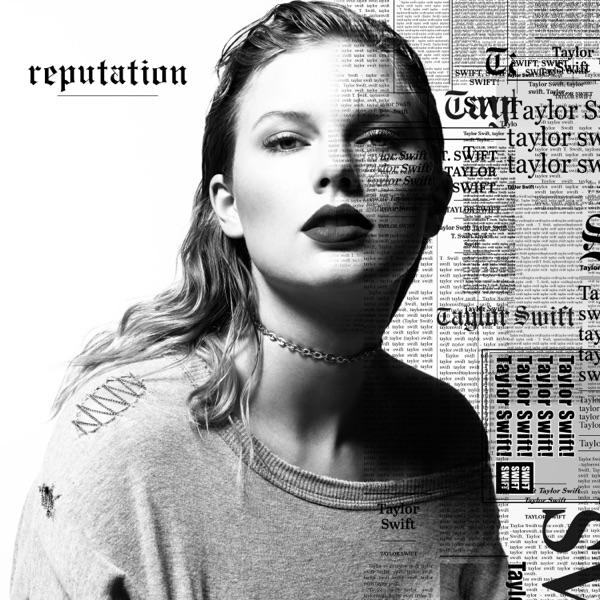
reputation
A fall from grace is inevitable when you’re on top of the world. Taylor Swift experienced a taste of that in the aftermath of 1989, when her overexposure mixed with a rehashed public feud with Kanye West (and his then-wife Kim Kardashian). After the snake emojis flooded her comments and the narrative failed to exclude her, Swift went dark. She went so dark that when she returned with reputation in 2017, she had gone full macabre in her visuals and sound. Swift’s “goth-punk moment of female rage,” as she would describe it years later, was a full brand and sonic tilt for the singer. She reenlisted her 1989 co-conspirators Max Martin, Shellback, and Jack Antonoff, but this time around, her typical girl-next-door persona was shed like snake skin. The old Taylor was dead and the new Taylor was back with a vengeance: She cuts to the chase on “Look What You Made Me Do,” a Right Said Fred-sampling banger about the album’s villain origin story. Later, she’ll laugh off the betrayals on “This Is Why We Can’t Have Nice Things”—literally. But don’t get it twisted: This isn’t an album about feuds and foes. reputation is largely a love story, relaying what happens when your world falls apart but someone is able to turn poison ivy into a daisy. Swift’s “big reputation” hovers over the quiet origins of her budding romance, as she sings on “End Game” alongside verses from Ed Sheeran and Future. On tracks like “Getaway Car,” “Don’t Blame Me,” and “Gorgeous,” she hints at the less-than-ideal timing of falling for someone as another relationship crumbles. Rage is replaced with tenderness on “Delicate,” a sweet recollection of the type of nervous energy that buzzes in the early, uncertain days with someone new. By piano ballad album closer “New Year’s Day,” she’s settled in quite nicely with her new love, celebrating the banal domesticity after the party dies down.

reputation (Big Machine Radio Release Special)
You don’t need to hear Taylor Swift declare her old self dead—as she does on the incendiary “Look What You Made Me Do”—to know that reputation is both a warning shot to her detractors and a full-scale artistic transformation. There's a newfound complexity to all these songs: They're dark and meaningful, catchy and lived-in, pointed and provocative. She's braggadocious on “End Game,” a languid hip-hop cut with Ed Sheeran and Future, and then sassy and sensual on “…Ready for It?” and “I Did Something Bad.” But songs like “Call It What You Want” and “Delicate” bring Taylor's many emotional layers together and confront the dynamic between her celebrity and personal life: “My reputation’s never been worse/So, you must like me for me,” she offers. It all makes for a boundlessly energetic, soul-baring pop masterpiece—and her boldest statement yet.
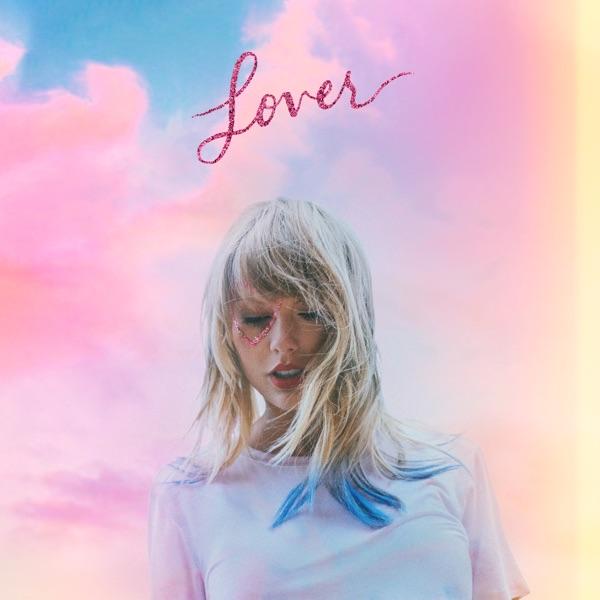
Lover
There’s a reason Taylor Swift sounds so confident and cool on Lover, her seventh album and the most free-spirited yet. She’s in love—pure, steady, starry-eyed, shout-it-from-the-rooftops love. Arriving 13 years after her eponymous debut album—and following a string of songs that sometimes felt like battle scars from public breakups and celebrity feuds—this project comes off clear-eyed, thick-skinned, and grown-up. It may be a sign that the 29-year-old has entered a new phase of her life: She’s now impressively private (she and her long-term boyfriend are rarely seen together in public), politically fired up (this album finds her fighting for queer and women’s rights), and eager to see the big picture (fans have speculated that the gut-wrenching “Soon You’ll Get Better” is about her mother’s battles with cancer). As a result, she’s never sounded stronger or more in control. She calls out dark-age bigots on the Pride anthem “You Need to Calm Down,” sends up the patriarchy on “The Man,” perfects flippant indifference on “I Forgot That You Existed,” and dares to sing her own praises on “ME!,” a duet with Brendon Urie of Panic! At the Disco. Tonally, these songs couldn’t be more different than 2017’s vengeful and self-conscious Reputation. Most of the album is baked in the atmospheric synths and ’80s drums favored by collaborator Jack Antonoff (“The Archer,” “Lover”). And yet some of the best moments are also the most surprising. “It’s Nice to Have a Friend” is daydreamy and delicate, illuminated with laidback strumming, twinkling trumpet, and high-pitched ooh-oohs. And the percussive, playful “I Think He Knows” is a rollercoaster of a song, spiking and dipping from chatty whispers to breathy shout-singing in a matter of seconds.

folklore (deluxe version)
A mere 11 months passed between the release of Lover and its surprise follow-up, but it feels like a lifetime. Written and recorded remotely during the first few months of the global pandemic, folklore finds the 30-year-old singer-songwriter teaming up with The National’s Aaron Dessner and long-time collaborator Jack Antonoff for a set of ruminative and relatively lo-fi bedroom pop that’s worlds away from its predecessor. When Swift opens “the 1”—a sly hybrid of plaintive piano and her naturally bouncy delivery—with “I’m doing good, I’m on some new st,” you’d be forgiven for thinking it was another update from quarantine, or a comment on her broadening sensibilities. But Swift’s channelled her considerable energies into writing songs here that double as short stories and character studies, from Proustian flashbacks (“cardigan”, which bears shades of Lana Del Rey) to outcast widows (“the last great american dynasty”) and doomed relationships (“exile”, a heavy-hearted duet with Bon Iver’s Justin Vernon). It’s a work of great texture and imagination. “Your braids like a pattern/Love you to the moon and to Saturn,” she sings on “seven”, the tale of two friends plotting an escape. “Passed down like folk songs, the love lasts so long.” For a songwriter who has mined such rich detail from a life lived largely in public, it only makes sense that she’d eventually find inspiration in isolation.
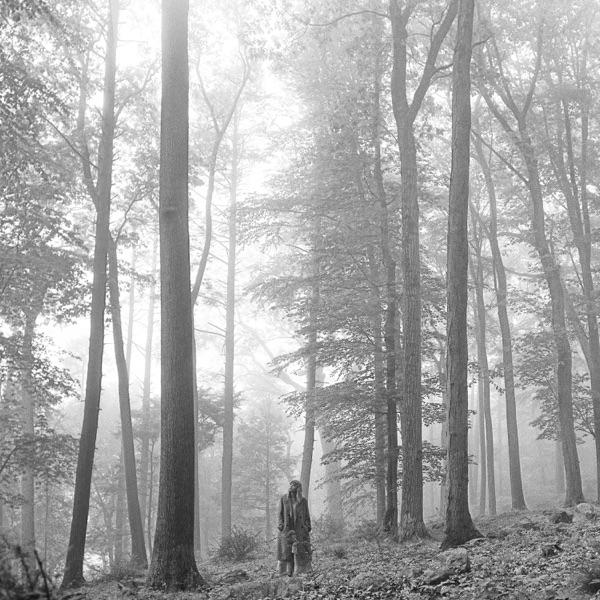
folklore
A mere 11 months passed between the release of Lover and its surprise follow-up, but it feels like a lifetime. Written and recorded remotely during the first few months of the global pandemic, folklore finds the 30-year-old singer-songwriter teaming up with The National’s Aaron Dessner and longtime collaborator Jack Antonoff for a set of ruminative and relatively lo-fi bedroom pop that’s worlds away from its predecessor. When Swift opens “the 1”—a sly hybrid of plaintive piano and her naturally bouncy delivery—with “I’m doing good, I’m on some new shit,” you’d be forgiven for thinking it was another update from quarantine, or a comment on her broadening sensibilities. But Swift’s channeled her considerable energies into writing songs here that double as short stories and character studies, from Proustian flashbacks (“cardigan,” which bears shades of Lana Del Rey) to outcast widows (“the last great american dynasty”) and doomed relationships (“exile,” a heavy-hearted duet with Bon Iver’s Justin Vernon). It’s a work of great texture and imagination. “Your braids like a pattern/Love you to the moon and to Saturn,” she sings on “seven,” the tale of two friends plotting an escape. “Passed down like folk songs, the love lasts so long.” For a songwriter who has mined such rich detail from a life lived largely in public, it only makes sense that she’d eventually find inspiration in isolation.

folklore: the escapism chapter - EP

folklore: the sleepless nights chapter - EP

folklore: the saltbox house chapter - EP

folklore: the yeah I showed up at your party chapter - EP
![folklore: the long pond studio sessions (from the Disney+ special) [deluxe edition]](/_next/image?url=https%3A%2F%2Fapi.igotalist.com%2Fstorage%2Fv1%2Fobject%2Fpublic%2Flist-thumbnails%2Ftaylor-swift%2Ffolklore-the-long-pond-studio-sessions-from-the-disney-special-deluxe-edition.jpg&w=640&q=75)
folklore: the long pond studio sessions (from the Disney+ special) [deluxe edition]
A mere 11 months passed between the release of Lover and its surprise follow-up, but it feels like a lifetime. Written and recorded remotely during the first few months of the global pandemic, folklore finds the 30-year-old singer-songwriter teaming up with The National’s Aaron Dessner and longtime collaborator Jack Antonoff for a set of ruminative and relatively lo-fi bedroom pop that’s worlds away from its predecessor. When Swift opens “the 1”—a sly hybrid of plaintive piano and her naturally bouncy delivery—with “I’m doing good, I’m on some new s**t,” you’d be forgiven for thinking it was another update from quarantine, or a comment on her broadening sensibilities. But Swift’s channelled her considerable energies into writing songs here that double as short stories and character studies, from Proustian flashbacks (“cardigan,” which bears shades of Lana Del Rey) to outcast widows (“the last great american dynasty”) and doomed relationships (“exile,” a heavy-hearted duet with Bon Iver’s Justin Vernon). It’s a work of great texture and imagination. “Your braids like a pattern/Love you to the moon and to Saturn,” she sings on “seven,” the tale of two friends plotting an escape. “Passed down like folk songs, the love lasts so long.” For a songwriter who has mined such rich detail from a life lived largely in public, it only makes sense that she’d eventually find inspiration in isolation. This long pond studio sessions Deluxe Edition also includes live versions of each of folklore’s tracks, performed with Dessner, Antonoff, and Vernon.

evermore (deluxe version)
Surprise-dropping a career-redefining album in the midst of a paralyzing global pandemic is an admirable flex; doing it again barely five months later is a display of confidence and concentration so audacious that you’re within your rights to feel personally chastised. Like folklore, evermore is a team-up with Aaron Dessner, Jack Antonoff, and Justin Vernon, making the most of cozy home-studio vibes for more bare-bones arrangements and bared-soul lyrics, casually intimate and narratively rich. There is an expanded guest roster here—HAIM appears on “no body, no crime,” which seems to place Este Haim in the center of a small-town murder mystery, while Dessner’s bandmates in The National are on “coney island”—but they fit themselves into the mood rather than distract from it. (The percussive “long story short” sounds like it could have been on any National album in the past decade.) Elsewhere, “'tis the damn season” is the elegaic home-for-the-holidays ballad this busted year didn’t realize it needed. But while so much of folklore’s appeal involved marveling at how this setting seemed to have unlocked something in Swift, the only real shock here is the timing of the release itself. Beyond that, it’s an extension and confirmation of its predecessor’s promises and charms, less a novelty driven by unprecedented circumstances and instead simply a thing she happens to do and do well.

evermore
Surprise-dropping a career-redefining album in the midst of a paralyzing global pandemic is an admirable flex; doing it again barely five months later is a display of confidence and concentration so audacious that you’re within your rights to feel personally chastised. Like folklore, evermore is a team-up with Aaron Dessner, Jack Antonoff, and Justin Vernon, making the most of cozy home-studio vibes for more bare-bones arrangements and bared-soul lyrics, casually intimate and narratively rich. There is an expanded guest roster here—HAIM appears on “no body, no crime,” which seems to place Este Haim in the center of a small-town murder mystery, while Dessner’s bandmates in The National are on “coney island”—but they fit themselves into the mood rather than distract from it. (The percussive “long story short” sounds like it could have been on any National album in the past decade.) Elsewhere, “'tis the damn season” is the elegaic home-for-the-holidays ballad this busted year didn’t realize it needed. But while so much of folklore’s appeal involved marveling at how this setting seemed to have unlocked something in Swift, the only real shock here is the timing of the release itself. Beyond that, it’s an extension and confirmation of its predecessor’s promises and charms, less a novelty driven by unprecedented circumstances and instead simply a thing she happens to do and do well.

willow (the witch collection) - EP

the "dropped your hand while dancing" chapter - EP

the "forever is the sweetest con" chapter - EP

the "ladies lunching" chapter - EP

Fearless (Taylor's Version)
In 2019, Taylor Swift announced plans to rerecord her entire catalog to that point, an ambitious move sparked by the sale of her original label, Big Machine Label Group, along with all of her masters. Swift’s first entry into this reimagined canon is a new take on her landmark 2008 sophomore LP Fearless, which, among many other accolades, took home the coveted Album of the Year trophy at the 2010 Grammy Awards. Swift first teased the “Taylor’s Version” of Fearless with the release of a new recording of one of her biggest hits, the ode to youthful romance “Love Story.” That version stays remarkably true to the original track, though it’s hard not to notice how Swift’s voice has strengthened and matured in the 13 years since. (But in this updated version mixed in Spatial Audio with Dolby Atmos, the difference is clear: more warmth, more intimacy, more clarity with which to appreciate the deceptive ease of Swift’s songwriting.) Elsewhere, she revisits other juggernauts like “Fifteen,” “Forever & Always,” and, of course, “You Belong With Me,” another of her biggest-selling songs.

Fearless (Taylor's Version): The Halfway Out The Door Chapter - EP

Fearless (Taylor's Version): The Kissing In The Rain Chapter - EP

Fearless (Taylor’s Version): The I Remember What You Said Last Night Chapter - EP

Fearless (Taylor’s Version): The From The Vault Chapter - EP
![Red (Taylor’s Version) [+ A Message from Taylor]](/_next/image?url=https%3A%2F%2Fapi.igotalist.com%2Fstorage%2Fv1%2Fobject%2Fpublic%2Flist-thumbnails%2Ftaylor-swift%2Fred-taylors-version-a-message-from-taylor.jpg&w=640&q=75)
Red (Taylor’s Version) [+ A Message from Taylor]
After rerecording her 2008 album Fearless as part of a sweeping effort to regain control of her master tapes—or at least create new ones—Taylor Swift presents Red (Taylor’s Version), an expanded take on her 2012 blockbuster that features nine never-before-released songs written in the same era as the original. “Musically and lyrically, Red resembled a heartbroken person,” she wrote in a letter to fans. “It was all over the place, a fractured mosaic of feelings that somehow all fit together in the end. Happy, free, confused, lonely, devastated, euphoric, wild, and tortured by memories past. Like trying on pieces of a new life, I went into the studio and experimented with different sounds and collaborators. And I’m not sure if it was pouring my thoughts into this album, hearing thousands of your voices sing the lyrics back to me in passionate solidarity, or if it was simply time, but something was healed along the way.” The hot-blooded breakup anthems you know and love are still there (“We Are Never Ever Getting Back Together” and “I Knew You Were Trouble” are two), but the new, full collection paints an even richer portrait of heartbreak. She wrestles with change on “Nothing New,” an alt-rock duet with Phoebe Bridgers; contemplates fate on a wistful pop song produced by Max Martin and Shellback (“Message in a Bottle”); and gets the final, piercing word on “I Bet You Think About Me” featuring Chris Stapleton, penned after a high-profile breakup in 2011. Longtime fans will be especially glad to see an extended cut of “All Too Well,” the project’s emotional centerpiece. It features new production from hitmaker Jack Antonoff, but Swift’s original lyrical genius is still remarkable. “And you call me up again just to break me like a promise/So casually cruel in the name of being honest,” she sings. It’s the line she’s always said she’s most proud of from this album and era. Ten years on, it still cuts deep.
![Red (Taylor's Version) [Video Deluxe]](/_next/image?url=https%3A%2F%2Fapi.igotalist.com%2Fstorage%2Fv1%2Fobject%2Fpublic%2Flist-thumbnails%2Ftaylor-swift%2Fred-taylors-version-video-deluxe.jpg&w=640&q=75)
Red (Taylor's Version) [Video Deluxe]
After rerecording her 2008 album Fearless as part of a sweeping effort to regain control of her master tapes—or at least create new ones—Taylor Swift presents Red (Taylor’s Version), an expanded take on her 2012 blockbuster that features nine never-before-released songs written in the same era as the original. “Musically and lyrically, Red resembled a heartbroken person,” she wrote in a letter to fans. “It was all over the place, a fractured mosaic of feelings that somehow all fit together in the end. Happy, free, confused, lonely, devastated, euphoric, wild, and tortured by memories past. Like trying on pieces of a new life, I went into the studio and experimented with different sounds and collaborators. And I’m not sure if it was pouring my thoughts into this album, hearing thousands of your voices sing the lyrics back to me in passionate solidarity, or if it was simply time, but something was healed along the way.” The hot-blooded breakup anthems you know and love are still there (“We Are Never Ever Getting Back Together” and “I Knew You Were Trouble” are two), but the new, full collection paints an even richer portrait of heartbreak. She wrestles with change on “Nothing New,” an alt-rock duet with Phoebe Bridgers; contemplates fate on a wistful pop song produced by Max Martin and Shellback (“Message in a Bottle”); and gets the final, piercing word on “I Bet You Think About Me” featuring Chris Stapleton, penned after a high-profile breakup in 2011. Longtime fans will be especially glad to see an extended cut of “All Too Well,” the project’s emotional centerpiece. It features new production from hitmaker Jack Antonoff, but Swift’s original lyrical genius is still remarkable. “And you call me up again just to break me like a promise/So casually cruel in the name of being honest,” she sings. It’s the line she’s always said she’s most proud of from this album and era. Ten years on, it still cuts deep.

Red (Taylor’s Version): Could You Be The One Chapter - EP

Red (Taylor’s Version): She Wrote A Song About Me Chapter - EP

Red (Taylor’s Version): The Slow Motion Chapter

Red (Taylor’s Version): From The Vault Chapter - EP

Midnights (3am Edition)
Let‘s start with that speech. In September 2022, as Taylor Swift accepted Songwriter-Artist of the Decade honors at the Nashville Songwriter Awards, the headline was that Swift had unveiled an admittedly “dorky” system she’d developed for organizing her own songs. Quill Pen, Fountain Pen, Glitter Gel Pen: three categories of lyrics, three imagined tools with which she wrote them, one pretty ingenious way to invite obsessive fans to lovingly obsess all the more. And yet, perhaps the real takeaway was the manner in which she spoke about her craft that night, some 20 years after writing her first song at the age of 12. “I love doing this thing we are fortunate enough to call a job,” she said to a room of her peers. “Writing songs is my life’s work and my hobby and my never-ending thrill. A song can defy logic or time. A good song transports you to your truest feelings and translates those feelings for you. A good song stays with you even when people or feelings don’t.” On Midnights, her tenth LP and fourth in as many years—if you don’t count the two she’s just rerecorded and buttressed with dozens of additional tracks—Swift sounds like she’s really enjoying her work, playing with language like kids do with gum, thrilling to the texture of every turn of phrase, the charge in every melody and satisfying rhyme. Alongside longtime collaborator Jack Antonoff, she’s set out here to tell “the stories of 13 sleepless nights scattered throughout [her] life,” as she phrased it in a message to Apple Music subscribers. It’s a concept that naturally calls for a nocturnal palette: slower tempos, hushed atmosphere, negative space like night sky. The sound is fully modern (synths you’d want to eat or sleep in, low end that sits comfortably on your chest), while the aesthetic (soft focus, wood paneling, tracklist on the cover) is decidedly mid-century, much like the Mad Men-inspired title of its brooding opener, “Lavender Haze”—a song about finding refuge in...

Midnights (The Til Dawn Edition)
Let’s start with that speech. In September 2022, as Taylor Swift accepted Songwriter-Artist of the Decade honors at the Nashville Songwriter Awards, the headline was that Swift had unveiled an admittedly “dorky” system she’d developed for organizing her own songs. Quill Pen, Fountain Pen, Glitter Gel Pen: three categories of lyrics, three imagined tools with which she wrote them, one pretty ingenious way to invite obsessive fans to lovingly obsess all the more. And yet, perhaps the real takeaway was the manner in which she spoke about her craft that night, some 20 years after writing her first song at the age of 12. “I love doing this thing we are fortunate enough to call a job,” she said to a room of her peers. “Writing songs is my life’s work and my hobby and my never-ending thrill. A song can defy logic or time. A good song transports you to your truest feelings and translates those feelings for you. A good song stays with you even when people or feelings don’t.” On Midnights, her tenth LP and fourth in as many years—if you don’t count the two she’s just rerecorded and buttressed with dozens of additional tracks—Swift sounds like she’s really enjoying her work, playing with language like kids do with gum, thrilling to the texture of every turn of phrase, the charge in every melody and satisfying rhyme. Alongside longtime collaborator Jack Antonoff, she’s set out here to tell “the stories of 13 sleepless nights scattered throughout [her] life,” as she phrased it in a message to Apple Music subscribers. It’s a concept that naturally calls for a nocturnal palette: slower tempos, hushed atmosphere, negative space like night sky. The sound is fully modern (synths you’d want to eat or sleep in, low end that sits comfortably on your chest), while the aesthetic (soft focus, wood paneling, tracklist on the cover) is decidedly mid-century, much like the Mad Men-inspired title of its brooding opener, “Lavender Haze”—a song about finding refuge in...
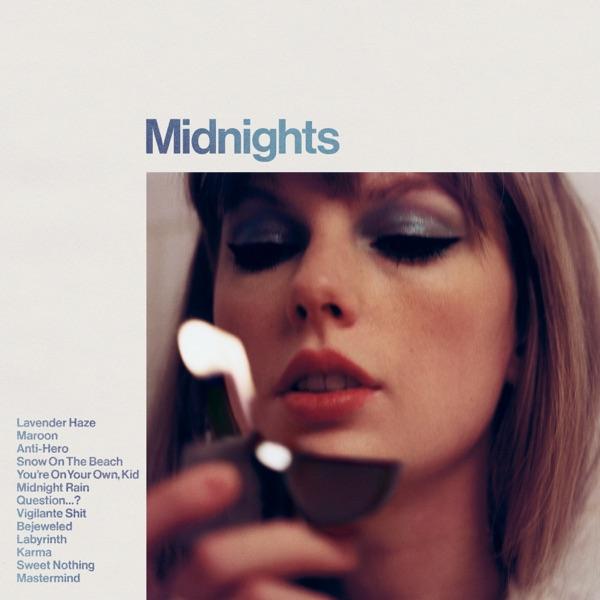
Midnights
Let‘s start with that speech. In September 2022, as Taylor Swift accepted Songwriter-Artist of the Decade honors at the Nashville Songwriter Awards, the headline was that Swift had unveiled an admittedly “dorky” system she’d developed for organizing her own songs. Quill Pen, Fountain Pen, Glitter Gel Pen: three categories of lyrics, three imagined tools with which she wrote them, one pretty ingenious way to invite obsessive fans to lovingly obsess all the more. And yet, perhaps the real takeaway was the manner in which she spoke about her craft that night, some 20 years after writing her first song at the age of 12. “I love doing this thing we are fortunate enough to call a job,” she said to a room of her peers. “Writing songs is my life’s work and my hobby and my never-ending thrill. A song can defy logic or time. A good song transports you to your truest feelings and translates those feelings for you. A good song stays with you even when people or feelings don’t.” On Midnights, her tenth LP and fourth in as many years—if you don’t count the two she’s just rerecorded and buttressed with dozens of additional tracks—Swift sounds like she’s really enjoying her work, playing with language like kids do with gum, thrilling to the texture of every turn of phrase, the charge in every melody and satisfying rhyme. Alongside longtime collaborator Jack Antonoff, she’s set out here to tell “the stories of 13 sleepless nights scattered throughout [her] life,” as she phrased it in a message to Apple Music subscribers. It’s a concept that naturally calls for a nocturnal palette: slower tempos, hushed atmosphere, negative space like night sky. The sound is fully modern (synths you’d want to eat or sleep in, low end that sits comfortably on your chest), while the aesthetic (soft focus, wood paneling, tracklist on the cover) is decidedly mid-century, much like the Mad Men-inspired title of its brooding opener, “Lavender Haze”—a song about finding refuge in...

Midnights (3am Edition / Video Deluxe)

Anti-Hero (Remixes) - Single

Lavender Haze (Remixes) - EP

Lavender Haze (Remixes) - Single

The More Lover Chapter - EP

The More Red (Taylor’s Version) Chapter - EP

The More Fearless (Taylor’s Version) Chapter - EP

Speak Now (Taylor's Version)
“Real life is a funny thing, you know,” Taylor Swift wrote in the liner notes of 2010’s Speak Now, her third album and the third she’s rerecorded as part of a sweeping effort to regain her master tapes. “There is a time for silence. There is a time for waiting your turn. But if you know how you feel, and you so clearly know what you need to say, you’ll know it.” Swift was in her early twenties when she wrote Speak Now, still finding her voice as an artist and as an adult. But she’s faithful to her originals here—all of them written on her own, on tour, without co-writers—and faithful to a much younger version of herself. She pays tribute to early influences like Fall Out Boy and Paramore’s Hayley Williams, teaming up with them on the reimagined “from the vault” tracks “Electric Touch” and “Castles Crumbling,” respectively. And though she swaps Nashville producer Nathan Chapman for more recent collaborators Jack Antonoff and Aaron Dessner, the arrangements are still warm and clear—minus a coat of varnish or two—with an eye towards the sort of all-encompassing pop she’d inevitably, wholeheartedly embrace. We all know what came next for Swift with 2012’s Red, but, looking back, you can easily see and hear what’s on the horizon in these songs. The grace of Speak Now is in how it makes simple work out of feelings that are anything but. Swift is vulnerable here, but she’s also self-empowered (“Mean”). She’s innocent, but knows when to take responsibility (“Dear John”). She’s wise enough to regret her mistakes (“Back to December”), but not too jaded see the best in people (“Innocent”). Does she want to grow up? Yes, if that means more agency and independence (“Speak Now”). But when you’re all alone in that new apartment, you still might cry—not just for the childhood home you left, but for the knowledge that you can never go back (“Never Grow Up”). The sound is big, but the details are extremely specific—at one point, Swift says her rival...

The Cruelest Summer - Single
![1989 (Taylor's Version) [Deluxe]](/_next/image?url=https%3A%2F%2Fapi.igotalist.com%2Fstorage%2Fv1%2Fobject%2Fpublic%2Flist-thumbnails%2Ftaylor-swift%2F1989-taylors-version-deluxe.jpg&w=640&q=75)
1989 (Taylor's Version) [Deluxe]
100 Best Albums When Taylor Swift announced that 1989 (Taylor’s Version) was finally seeing release, she mentioned that, of all the albums she’s faithfully rerecorded in her quest to retake her master tapes, this one was special. “The 1989 album changed my life in countless ways,” she wrote on Instagram. “To be perfectly honest, this is my most FAVORITE re-record I’ve ever done because the 5 From The Vault tracks are so insane. I can’t believe they were ever left behind.” From “Now That We Don’t Talk” (on which, wowee zowee, she sings, “I don’t have to pretend I like acid rock/Or that I’d like to be on a mega-yacht/With important men who think important thoughts”) to “Say Don’t Go” to “Is It Over Now?”, one gets a real feel for the ferocity and focus with which she was writing at the time, a new audience in sight. It’s not just that any one of the newly uncovered songs here is more than strong enough to have been included (or strong enough to have launched the career of a less prolific artist); it’s that, even on material previously deemed inessential, Swift sounds comfortable bordering on imperious—like she’d been making lush, montage-ready pop music all along. Nearly a decade later—and at the tail end of a 2023 in which her every move seems to have determined pop-cultural weather—it’s weirdly easy to forget that in 2014, she was still approaching (nah, engineering) an inflection point in her life and career, reintroducing herself (at just 24) as the all-conquering, planet-like presence we know today. She’d already started adjusting the ratio of country to pop on 2010’s Speak Now and 2012’s Red, working with Swedish superproducers Max Martin and Shellback on the latter. On 1989, Swift did away with the idea of ratios entirely—just launched them into the ocean, and went all the way. Musically, it wasn’t just her embrace of big beats and shiny surfaces, but a sense of lightness and play as well. Where 2008’s <i...

1989 (Taylor's Version)
When Taylor Swift announced that 1989 (Taylor’s Version) was finally seeing release, she mentioned that, of all the albums she’s faithfully rerecorded in her quest to retake her master tapes, this one was special. “The 1989 album changed my life in countless ways,” she wrote on Instagram. “To be perfectly honest, this is my most FAVORITE re-record I’ve ever done because the 5 From The Vault tracks are so insane. I can’t believe they were ever left behind.” From “Now That We Don’t Talk” (on which, wowee zowee, she sings, “I don’t have to pretend I like acid rock/Or that I’d like to be on a mega-yacht/With important men who think important thoughts”) to “Say Don’t Go” to “Is It Over Now?”, one gets a real feel for the ferocity and focus with which she was writing at the time, a new audience in sight. It’s not just that any one of the newly uncovered songs here is more than strong enough to have been included (or strong enough to have launched the career of a less prolific artist); it’s that, even on material previously deemed inessential, Swift sounds comfortable bordering on imperious—like she’d been making lush, montage-ready pop music all along. Nearly a decade later—and at the tail end of a 2023 in which her every move seems to have determined pop-cultural weather—it’s weirdly easy to forget that in 2014, she was still approaching (nah, engineering) an inflection point in her life and career, reintroducing herself (at just 24) as the all-conquering, planet-like presence we know today. She’d already started adjusting the ratio of country to pop on 2010’s Speak Now and 2012’s Red, working with Swedish superproducers Max Martin and Shellback on the latter. On 1989, Swift did away with the idea of ratios entirely—just launched them into the ocean, and went all the way. Musically, it wasn’t just her embrace of big beats and shiny surfaces, but a sense of lightness and play as well. Where 2008’s Fearless and Sp...

THE TORTURED POETS DEPARTMENT: THE ANTHOLOGY
In the 18 months after Taylor Swift released Midnights, it often felt as though the universe had fully opened up to her. The Eras Tour was breaking records and blowing past the billion-dollar mark; its attendant concert film became the highest-grossing of all time. She generated interest and commerce and headlines everywhere she stepped foot, from tour stops to the tunnels of NFL stadiums. In 2023, she was named both TIME magazine’s Person of the Year and—just as iconic, tbh—Apple Music’s Artist of the Year. But do songs about that level of success speak to you? As the news broke that her highly private six-year relationship to Joe Alwyn had ended, Swifties started Swiftie-ing, quickly recirculating a clip on social media of Swift a few weeks earlier, onstage during an early Eras show, in tears as she sang “champagne problems”—a song she and Alwyn had written together. It was a reminder that, despite the superhero-like aura she now radiates, Swift, at her peak, still hurts like the rest of us. What sets her apart is her ability to sublimate that pain into pop. When she announced her 11th studio album in early 2024—while accepting another Grammy, as one does—we probably shouldn’t have been surprised. “I needed to make it,” she’d say of THE TORTURED POETS DEPARTMENT a few weeks later, to a crowd of—[rubs eyes]—96,000 in Melbourne, Australia. “I’ve never had an album where I’ve needed songwriting more than I needed it on TORTURED POETS.” Working again with trusted collaborators Jack Antonoff and Aaron Dessner, she returns to the soft, comfortable, bed-like sonics of Midnights. But the stakes feel noticeably higher here: This isn’t so much a breakup album as it is a deep-sea exploration of everything Swift has been feeling, a plunge through emotional debris. On “But Daddy I Love Him”—over strings and guitar that faintly recall her country roots—she lashes out at the crush of scrutiny and expectation she’s been subject to from ...

THE TORTURED POETS DEPARTMENT
In the 18 months after Taylor Swift released Midnights, it often felt as though the universe had fully opened up to her. The Eras Tour was breaking records and blowing past the billion-dollar mark; its attendant concert film became the highest-grossing of all time. She generated interest and commerce and headlines everywhere she stepped foot, from tour stops to the tunnels of NFL stadiums. In 2023, she was named both TIME magazine’s Person of the Year and—just as iconic, tbh—Apple Music’s Artist of the Year. But do songs about that level of success speak to you? As the news broke that her highly private six-year relationship to Joe Alwyn had ended, Swifties started Swiftie-ing, quickly recirculating a clip on social media of Swift a few weeks earlier, onstage during an early Eras show, in tears as she sang “champagne problems”—a song she and Alwyn had written together. It was a reminder that, despite the superhero-like aura she now radiates, Swift, at her peak, still hurts like the rest of us. What sets her apart is her ability to sublimate that pain into pop. When she announced her 11th studio album in early 2024—while accepting another Grammy, as one does—we probably shouldn’t have been surprised. “I needed to make it,” she’d say of THE TORTURED POETS DEPARTMENT a few weeks later, to a crowd of—[rubs eyes]—96,000 in Melbourne, Australia. “I’ve never had an album where I’ve needed songwriting more than I needed it on TORTURED POETS.” Working again with trusted collaborators Jack Antonoff and Aaron Dessner, she returns to the soft, comfortable, bed-like sonics of Midnights. But the stakes feel noticeably higher here: This isn’t so much a breakup album as it is a deep-sea exploration of everything Swift has been feeling, a plunge through emotional debris. On “But Daddy I Love Him”—over strings and guitar that faintly recall her country roots—she lashes out at the crush of scrutiny and expectation she’s been subject to from ...

THE TORTURED POETS DEPARTMENT TS The Eras Tour Setlist

The Life of a Showgirl
What’s a girl gonna do after the record-smashing Eras Tour? Well, its success sparked the flame inside Taylor Swift that led to a reunion with former collaborators Max Martin and Shellback for her 12th full-length The Life of a Showgirl. Indeed, in a very showgirl manner, Swift flew back and forth to Sweden between stops on her European leg—remember, the singer-songwriter believes “jet lag is a choice”—to join Martin and Shellback, Swift’s co-writers and producers on some of the most memorable and popular hits of her career (“We Are Never Ever Getting Back Together,” “22,” “Shake It Off,” “Blank Space,” “Don’t Blame Me,” and “Delicate,” to name a few). The result? A confident, dazzling, at times elegant, at times cheeky, at times sensual pop explosion that examines Swift’s relationships and her fame, which is both deeply personal yet extremely relatable...mostly. (The struggles of “Elizabeth Taylor”—with its thumping rock vibes—can understandably be reserved for the uber-famous showgirls in the room.) “This album, by personality, was a funnier album,” she tells Apple Music’s Zane Lowe. “It was coming off of TORTURED POETS DEPARTMENT—the character attributes I was highlighting in that writing process were much more serious and sensitive and introspective, and oftentimes more earnest and stoic, and the characteristics of a poet. This one was like, showgirls are mischievous, fun, scandalous, sexy, fun, flirty, hilarious.” On the album’s first single “The Fate of Ophelia,” Swift tests that theory by dipping back into the Shakespearean well that earned her crossover success and adoring fans, and once again, she turns the Bard’s tale into a romance rather than a tragedy. But this time, it’s more mature and fierce—as the acceptant heroine resigns herself to solitude before the hero ever comes around: “I swore my loyalty to me, myself, and I/Right before you lit my sky up.” Her muses, of course, will be well-dissected. The aforementioned savior in “Opheli...

The Life of a Showgirl + Acoustic Collection
What’s a girl gonna do after the record-smashing Eras Tour? Well, its success sparked the flame inside Taylor Swift that led to a reunion with former collaborators Max Martin and Shellback for her 12th full-length The Life of a Showgirl. Indeed, in a very showgirl manner, Swift flew back and forth to Sweden between stops on her European leg—remember, the singer-songwriter believes “jet lag is a choice”—to join Martin and Shellback, Swift’s co-writers and producers on some of the most memorable and popular hits of her career (“We Are Never Ever Getting Back Together,” “22,” “Shake It Off,” “Blank Space,” “Don’t Blame Me,” and “Delicate,” to name a few). The result? A confident, dazzling, at times elegant, at times cheeky, at times sensual pop explosion that examines Swift’s relationships and her fame, which is both deeply personal yet extremely relatable...mostly. (The struggles of “Elizabeth Taylor”—with its thumping rock vibes—can understandably be reserved for the uber-famous showgirls in the room.) “This album, by personality, was a funnier album,” she tells Apple Music’s Zane Lowe. “It was coming off of TORTURED POETS DEPARTMENT—the character attributes I was highlighting in that writing process were much more serious and sensitive and introspective, and oftentimes more earnest and stoic, and the characteristics of a poet. This one was like, showgirls are mischievous, fun, scandalous, sexy, fun, flirty, hilarious.” On the album’s first single “The Fate of Ophelia,” Swift tests that theory by dipping back into the Shakespearean well that earned her crossover success and adoring fans, and once again, she turns the Bard’s tale into a romance rather than a tragedy. But this time, it’s more mature and fierce—as the acceptant heroine resigns herself to solitude before the hero ever comes around: “I swore my loyalty to me, myself, and I/Right before you lit my sky up.” Her muses, of course, will be well-dissected. The aforementioned savior in “Opheli...