Artist
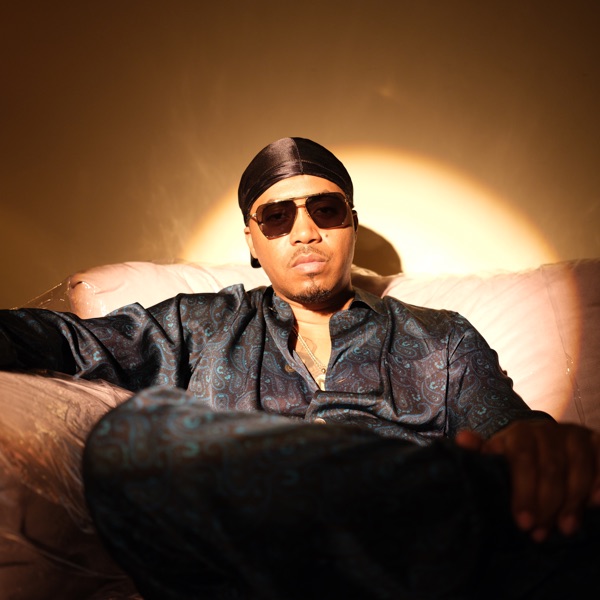
Nas
Albums
Illmatic
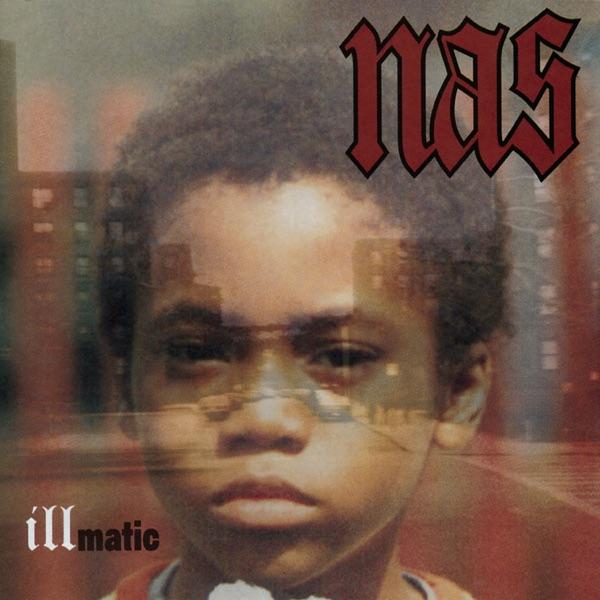
100 Best Albums Nas lied to us. Four tracks into his debut album, he told listeners, “The world is yours,” but he was wrong. And if he didn’t know it going into the release of Illmatic, he knew almost immediately after. As the critical rap universe would assure him, the world belonged to Nas himself—a New York rap prodigy hailing from the talent-rich Queensbridge housing projects whose 10-track debut realized the promise he’d shown as a guest MC on Main Source’s “Live at the Barbeque.” And while the album was immediately recognized as a gem by those in the know, its impact on hip-hop at large would only fully be appreciated in the years following. Illmatic is only nine actual songs (not counting opener “The Genesis"), and while it was reportedly released in haste to combat the rampant bootlegging of an early version, it’s no less heavy a listen. Its first single, “Halftime,” appears on the soundtrack of the 1992 film Zebrahead and, coupled with his “Live at the Barbeque” verse, positioned Nas as hip-hop's next great MC, well before an album was ready. With Illmatic, Nas' poetic aptitude reveals itself, the MC introducing turns of phrase and perspective previously unheard within the art form. “My mic check is life or death, breathing a sniper's breath/I exhale the yellow smoke of buddha through righteous steps/Deep like The Shining, sparkle like a diamond/Sneak a Uzi on the island in my army jacket lining,” he spits on “It Ain’t Hard to Tell.” Illmatic’s sample-heavy sound comes courtesy of a veritable dream team of production talent (DJ Premier, Large Professor, Q-Tip, Pete Rock, and L.E.S.), a lineup that helped to break a long-standing tradition of single-producer hip-hop albums. Together they present a unified vision of the murky, guttural, jazz-heavy hip-hop that would come to define the '90s New York sound. Aside from L.E.S., the group were all established in their lanes, but they'd elevate their p...
Illmatic XX
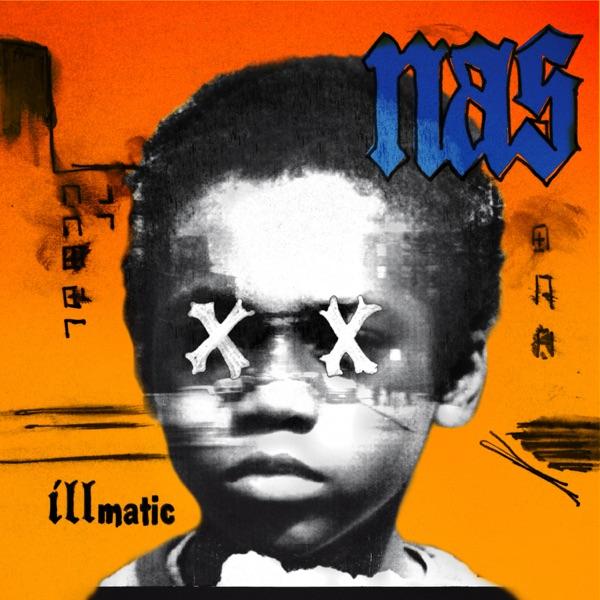
Originally released in 1994, Illmatic is one of those once-in-a-lifetime touchstone albums that is beloved around the world. A young rapper from Queensbridge, Nas had made a name for himself thanks to show-stealing collabos with Main Source and 3rd Bass, as well as with his single "Halftime" from the Zebrahead soundtrack. Serious hip-hop heads everywhere were anxiously waiting for his debut album, and he absolutely knocked it out of the park, enlisting a unparalleled dream team of East Coast super-producers: DJ Premier, Large Professor, Q-Tip, Pete Rock, and L.E.S. An instant classic, Illmatic propelled Nas to global stardom, helped bring attention back to New York at the height of the Cali gangsta rap explosion, and introduced the world at large to one of hip-hop's greatest lyricists. This special 20-year reissue includes the original album plus 10 more tracks: mega-rare remixes, a 1993-era session on the legendary Stretch and Bobbito show, and the unreleased banger "I'm a Villain."
It Was Written
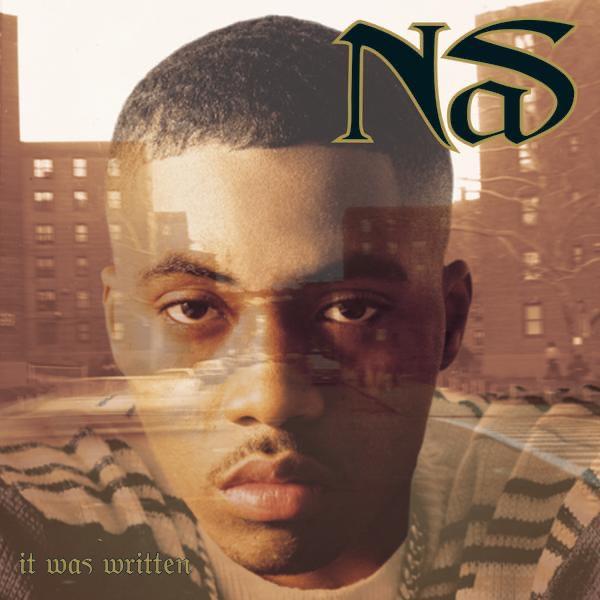
While Nas’ 1994 classic Illmatic is often hailed as the golden standard for hip-hop debuts, there’s a dedicated sect of his fanbase that prefers his chart-topping follow-up, It Was Written. Nas’ early work had established him as a prodigious street poet with uncanny observational gifts. But Nas was after more than critical acclaim; he wanted superstardom, plaques, and respect. And on It Was Written, released in 1996, he makes a good case for why he’s worthy of them all: “There’s one life, one love, so there can only be one king,” he raps on “The Message.” This is the album in which the rapper adopted the persona of “Nas Escobar”—a mafioso alter ego inspired by drug lords, as well as rap contemporaries like Notorious B.I.G. and the Wu-Tang Clan’s Raekwon. The imaginative approach took his career to new artistic and commercial heights. It Was Written is a gangsta flick over speakers, with Nas serving as both Coppola and Brando—he sets the scene as director, and takes on the star role. “The Message” has him scoping enemies and bedding baddies in a Mercedes-Benz wagon; “Watch Dem N****s” questions his crew with suspicions of betrayal; and “Shootouts” narrates a plot to take out a trigger-happy police officer. The storytelling on It Was Written is stark, cinematic, and full of details: No-name extras are rendered as vividly as the album’s main characters, down to their clothes, hair, and facial expressions. Musically, Nas’ flow becomes more spacious, eschewing his multi-syllabic delivery for one that’s light and effortless. And to soundtrack his new approach, he enlisted the Trackmasters, the production team that had already made crossover hits like Notorious B.I.G.’s “Juicy” and Mary J. Blige’s “Be Happy.” The duo supplied Nas with silky smooth beats that veered left of the boom-bap foundation he had laid on Illmatic, helping Nas find the largest audience he’d ever seen. But Nas’ street tales didn’t mean he abandone...
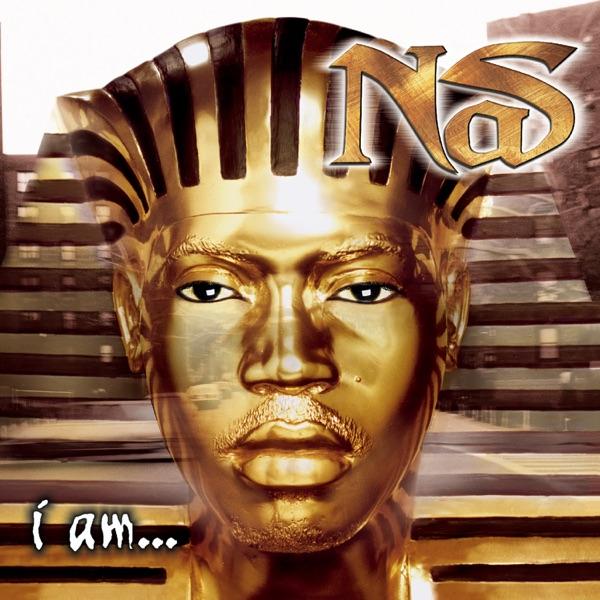
I Am...
In the five years since his debut album, Nas had grown from New York’s most visionary teenager into one of rap’s richest and most recognizable stars, and the struggle to maintain his superstar status without sacrificing his loyalty to the ghetto that created him had become more severe than ever. Originally designed as a double album, dozens of songs were discarded after being put online in one of the industry’s first major MP3 leaks. Rather than just wanting to be king of Queens, or king of New York, Nas now sounds like he wants nothing less than to be king of the world. Beats that were once smooth and stealthy have turned into the bombast of “Hate Me Now,” “Small World,” and “Big Things.” There are more pop concessions than ever before, and at times it’s hard to believe the man on “You Won’t See Me Tonight” and “K-I-S-S-I-N-G” is the same person who delivered Illmatic and It Was Written. Yet, no amount of label pressure or identity crisis could obscure Nas’ nimble mind. “Favor For A Favor,” “Nas is Like,” and “N.Y. State of Mind Part II” are all classics in the man’s catalogue, while the clumsy beats of “Money is My Bitch,” “Undying Love” and “Dr. Knockboot” disguise some of Nas’ most devastating lyricism.
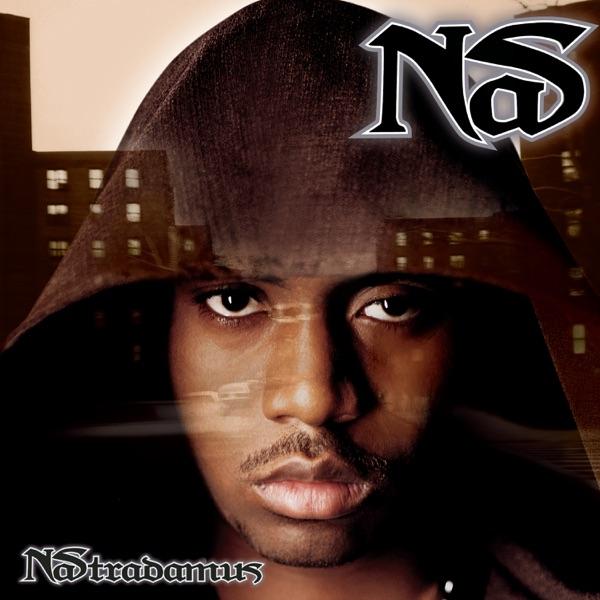
Nastradamus
The boy from Queensbridge reintroduces himself as a hood prophet on his fourth album, and his masterful storytelling is rooted in bittersweet Queens nostalgia and hard-earned confidence. Nas has plenty of shots for his fellow New York MCs on the strutting, funk-sampling title track and the cocky “Come Get Me,” taunting his haters over DJ Premier’s deft turntablism. But the highlight is “Project Windows,” an R&B slow-burner on which Nas paints a striking picture of growing up in the projects during the ‘70s.
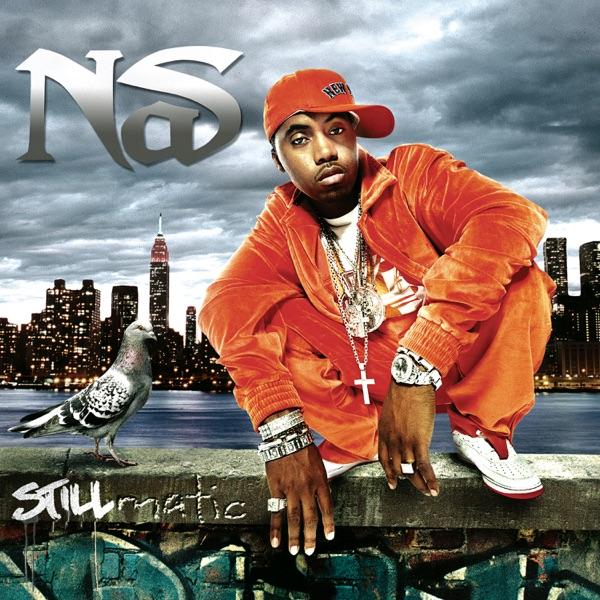
Stillmatic
Nas' 1994 debut album, Illmatic, immediately cemented the Queens MC as one of rap music's most gifted and celebrated lyricists—a scene-painter almost without parallel, delivering an endlessly quotable stream of aphorisms steeped in the traditions of New York rap. During the seven years after Illmatic, however, Nas was known mainly for pop crossover records and club bangers. That all changed in 2001, when Nas and JAŸ-Z clashed in one of the most explosive dis wars in rap history; “Ether,” the name of Nas' savage song-length diatribe, promptly entered the slang lexicon as a word for completely decimating your opponent. "Ether" is the second track of Stillmatic, Nas' fifth album and full-length return to hungry, introspective, non-commercial rhyming. Here, Nas is back to what made him adored in the '90s: snapshots of his youth, vivid visions of crime, boasts that paint him as no less than one of the all-time greats—and the lyrics to back it up. The powerful "One Mic"—based on the quiet-loud dynamics of Phil Collins' "In the Air Tonight"—is a tongue-twisting ode to his own art in the shadows of hood life and beef. "Rewind" tells a story in reverse, while "Destroy and Rebuild" is built with some Slick Rick-styled flows. Like Illmatic's grab bag of collaborators, the beats come courtesy of friends old and new. On single "Got Ur Self A…," producer Megahertz flips the Sopranos theme into an icy track; on "You're da Man," Large Professor utilizes the voice of Rodriguez years before Searching for Sugar Man; and DJ Premier uses Peabo Bryson and Roberta Flack for the partially nostalgic "2nd Childhood." All in all, a triumphant return to form from a rap great.

From Illmatic To Stillmatic: The Remixes - EP
![Made You Look (Remix) [feat. Jadakiss & Ludacris] - Single](/_next/image?url=https%3A%2F%2Fapi.igotalist.com%2Fstorage%2Fv1%2Fobject%2Fpublic%2Flist-thumbnails%2Fnas%2Fmade-you-look-remix-feat-jadakiss-ludacris-single.jpg&w=640&q=75)
Made You Look (Remix) [feat. Jadakiss & Ludacris] - Single
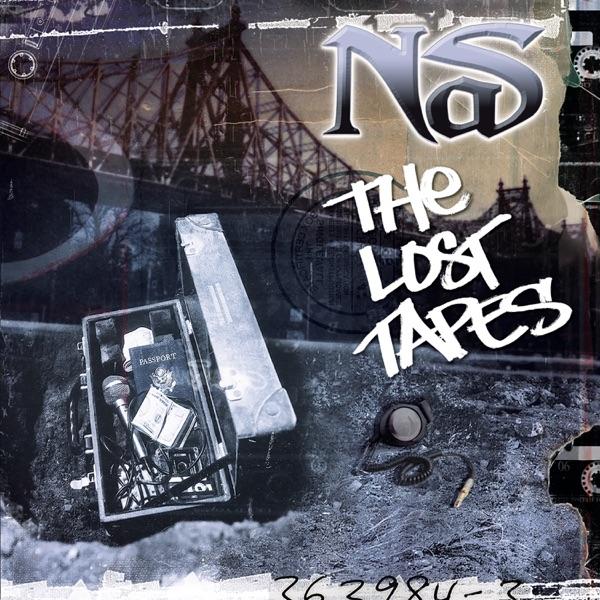
The Lost Tapes
The beginning of Nas’ career is straight out of a hip-hop fairy tale: He earned praise as a prodigy with an appearance on Main Source’s “Live at the Barbeque,” where he audaciously rhymed that he “went to hell for snuffing Jesus”; lived up to the hype with the all-time classic 1994 debut album Illmatic; and earned success on the charts a few years later with his hit single “If I Ruled the World (Imagine That),” from his sophomore album It Was Written. But in the subsequent years, he weathered tumult. His ambitious plans for a double-disc called I Am… were thwarted by leaks, leading him to record a heft of new songs for its eventual 1999 release. He dropped his critically panned fourth album Nastradamus in the same year, convincing listeners that the insightful street poet had lost his way for a materialistic and impersonal version of himself. A triumphant battle with JAŸ-Z and the back-to-basics 2001 album Stillmatic conveyed a reinvigorated return to his roots. But 2002’s The Lost Tapes—a collection of unreleased songs that were bastardized by leaks and industry red tape—proved that Nas had never really lost his way in the first place. Most albums featuring unreleased material are perceived as vaults of throwaways with flashes of brilliance—stuff that wasn’t good enough to make the final cut of studio albums. But The Lost Tapes has some of the most focused and impressive songs of Nas’ career. Many of the collection’s 12 songs are overtly autobiographical and introspective, showing his original vision for I Am...: “Doo Rags” is an impressionistic recollection of his childhood in 1980s Queensbridge; “Drunk By Myself” finds Nas isolating himself into a depressive, self-destructive stupor; and the album closers “Poppa Was a Playa” and “Fetus” take a hyper-conceptual approach to observing his family’s actions and pondering their impact on his own behavior. But The Lost Tapes doesn’t rely solely on diari...
God's Son
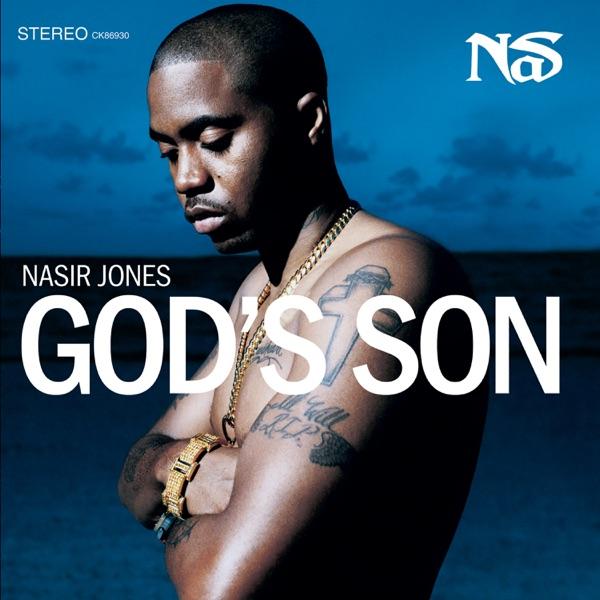
Following his mother’s death from breast cancer in early 2002, Nas retreated to the studio to create his most personal album yet. Far from the grandiosity of his late-Nineties period, Nas uses the tracks on God’s Son to speak directly to the listener. Built from a reconfigured Beethoven sample, “I Can” is a sincere song of encouragement, directed towards black children: “Nobody says you have to be gangstas, hoes / Read more, learn more, change the globe.” As Nas bares his soul about the death of his mother on “Dance” and “Warrior Song,” he becomes more introspective about his poisonous feud with JAŸ-Z, confessing in “Last Real Nigga Alive” that “I was Scarface, Jay was Manolo / It hurt me when I had to kill him and his whole squad for dolo.” Working primarily with producer Salaam Remi, God’s Son brings Nas back to basics with a sample-based musical palette. “Made You Look” has all of the fire and excitement of classic Kool G Rap or EPMD, while the posthumous Tupac duet “Thugz Mansion” is one of the sparest, most poignant rap songs to ever chart. Leaner-than-lean and more coolly confident than he had been in years, the James Brown-rooted “Get Down” sets the tone for Nas’ return to form.
Q.B. 2 Compton
The Freestyles
Street's Disciple
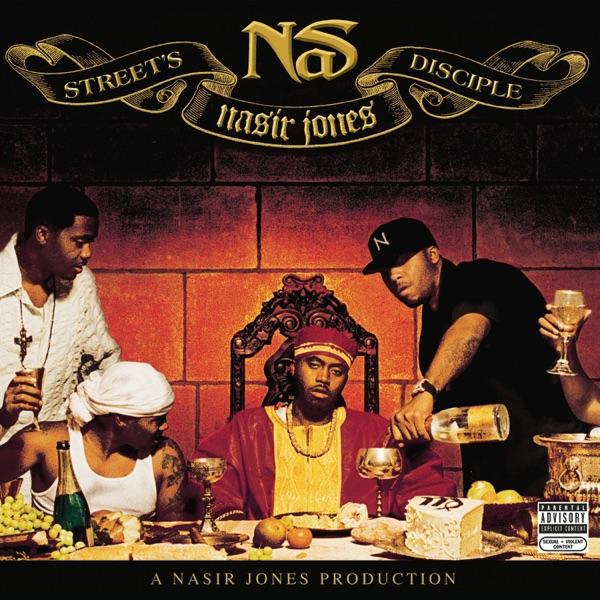
Street’s Disciple is a juxtaposition of the two aspects of Nas’ personality that have been warring for years: his focus, and his pompousness. With the multi-character storytelling of “Sekou Story” and the father-son blues of “Bridging the Gap,” Nas proves he's determined to push his music forward. At the same time, Street’s Disciple is lined with references to classic hip-hop, from the canonical samples of “American Way” and “Sekou Story,” to the beatboxing of “Virgo” (rap godfather Doug E. Fresh) and the tributes to Jam Master Jay (“You Know My Style”) and Rakim (“UBR”). Perhaps best of all is “Thief’s Theme,” a sequel to “Made You Look” that proves Nas still knows how to make a rock-solid street rap song. Following the soul-baring God’s Son, Street’s Disciple signaled the beginning of a new chapter in Nas’ career. Nas now has so much to say that his songs represent jam-packed collisions of concepts, observations, and poetry. The window into his soul was widening, and though he’s lost the concision of Illmatic, the new Nas is more fascinating and revealing than ever.
Napalm
Greatest Hits
Nas
Rather than retreat from the thematic weight of Hip Hop Is Dead, Nas is even more ambitious than its predecessor. Some would argue that's not a good thing, yet the rapper’s ferocious intelligence and skill give the album a magnetic energy. It finds Nas taking on the right-wing media (“Sly Fox”), dissecting the controversy surrounding the use of the N-word (“N.I.*.*.E.R.”), and submitting an ambiguous, if impassioned, endorsement of Barack Obama (“Black President”). Even when Nas is at his most bizarre, he manages to find new ways to analyze the African-American experience. Witness him talking to his KFC dinner on the snappy Mark Ronson production “Fried Chicken,” or taking on the point of view of a cockroach on “Project Roach.” Musically, the best songs benefit from a bit of restraint. In “You Can’t Stop Us Now,” a tour through two-hundred years of black history is backed by a pensive sample from the Whatnauts’ classic “Message From a Black Man,” while the simmering sounds of “Testify” can barely conceal the narrator’s seething rage.
Life Is Good
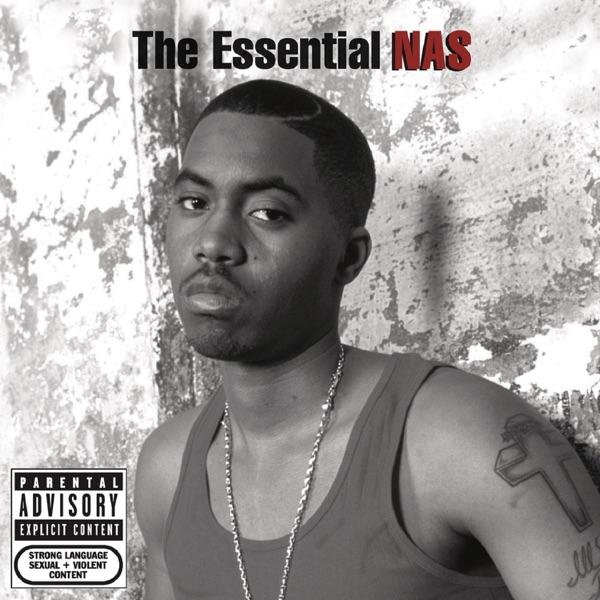
The Essential Nas
A rap legend whose debut album remains among the most beloved hip-hop classics of all time, Nasty Nas has been serving up devastating wordplay since the early '90s, when he first appeared on Main Source's "Live at the Barbeque." Since then, he's released a dozen solo albums, engaged in a high-profile beef and reconciliation with JAŸ-Z, put on fellow artists including AZ and The Bravehearts, starred in several movies, racked up a mantle of various awards, and endured both a reality show and tabloid-ready marriage to (and divorce from) Kelis. His musical output has been all over the place, including collaborations like the short-lived supergroup The Firm and his more recent project with Damian Marley, and he's dropped many classics along with a few certified stinkers. The Essential Nas sports 30 songs from throughout his career, including the early favorites "One Love" and "The World Is Yours," the crossover hits "Street Dreams" and "Hate Me Now," and the comeback anthem "Made You Look." It's an exceptional compilation and the best Nas 101 collection on the market today.
iTunes Originals: Nas
Halftime EP

Illmatic: Live from the Kennedy Center
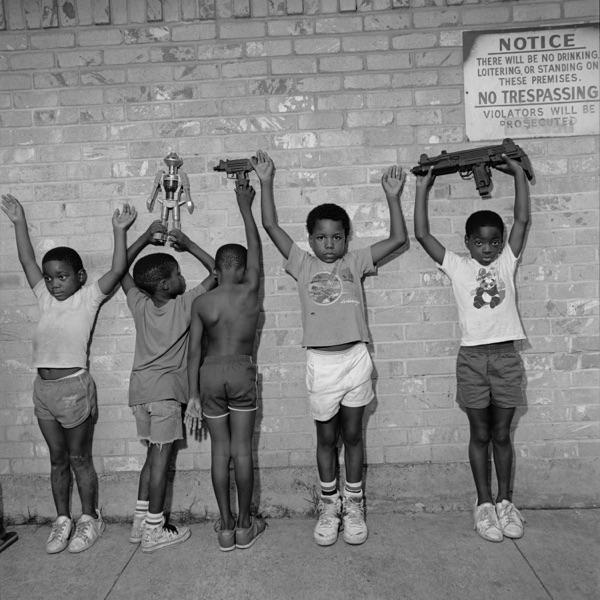
NASIR
The fourth in a series of weekly Kanye West-produced releases to come from the G.O.O.D. Music label head's Wyoming compound, Nas' 11th studio album is one of the most anticipated hip-hop collaborations since West and JAŸ-Z’s monumental Watch the Throne. With NASIR, it's clear that Nas and Kanye share a similar worldview, one focused on the world their children will inherit: The pair engage America's epidemic of police brutality toward people of color on the Slick Rick-sampling "Cops Shot the Kid," while Nas questions the practice of vaccination over the slow-burning guitar loop of "everything (feat. The-Dream)." The man who once likened himself to a prophet offers personal truths in abundance on "Not for Radio," but is ever-wary of penance, rapping on "Adam and Eve," "Pray my sins don't get passed to my children/I made a killin'."
The Lost Tapes 2
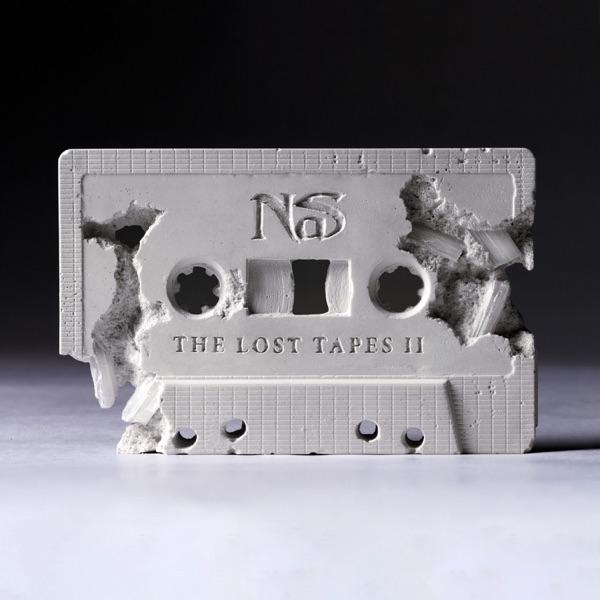
The premise of the original The Lost Tapes, released in 2002, is that it was an unearthing of songs never officially released—they'd only been available in low-quality versions via mixtapes and leaked audio files since at least the time of 1999’s I Am.... As labels would become better at protecting music (Nas switched from Columbia to Def Jam and then to his very own Mass Appeal in the time after), the majority of the songs on The Lost Tapes 2 are new at first listen to even the most dedicated God’s Son disciples. The recordings herein originate from the sessions that gave us Hip Hop Is Dead (2006), Untitled (2008), Life Is Good (2012), and the Kanye West-produced Nasir (2018). The production lineup—which features Kanye, Pharrell, Swizz Beatz, and The Alchemist, among others—is not unlike one Nas might choose if he were creating an entirely new album from scratch. Though working with familiar collaborators, he’s clearly pushed himself artistically across these selections, rapping over kaleidoscopic synths on the DJ Toomp-produced “Queens Wolf," keeping pace with a fluttering jazz melody on Eddie Cole’s “Jarreau of Rap,” and addressing his historically contentious relationship with the mother of his daughter and the infamous JAŸ-Z beef on the No I.D.-helmed “Beautiful Life.” For all of the experimentation, though, he’s made sure to include plenty of the original recipe: The Queensbridge hero bars up over modern-day boom bap on “Lost Freestyle,” “The Art of It,” and “Highly Favored,” produced by Statik Selektah, Pete Rock, and RZA, respectively.
History Lessons - EP
King's Disease
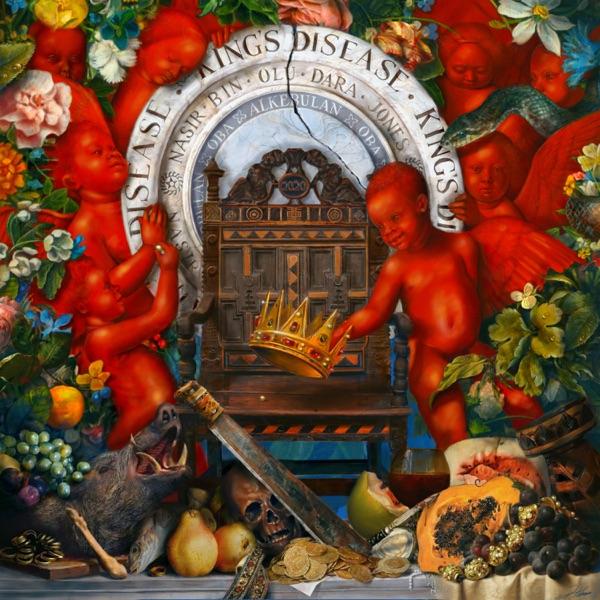
Traditionally, the “king’s disease” refers to gout, a form of inflammatory arthritis commonly associated with excessive consumption of rich foods and alcohol. For Nas, an MC whose catalog would lead us to believe he's been eating and drinking well for decades, King’s Disease the album is a chance for him to relive that sort of voracious glory verse by verse, if not bar by bar. The follow-up to 2018’s seven-song Kanye West collaboration NASIR—again helmed by a single producer, Fontana, California’s own Hit-Boy—finds the MC wistfully recounting the days when he and his associates were the gold standard of ill, detailing the ways they’d receive preferential treatment at legendary NYC nightspot the Tunnel (“Blue Benz”), the specific and calculated ways he would hustle (“Car #85”), and the surplus of fly women who yearned to spend time with him (“All Bad”). Touchtones of the era will strike a chord with those who lived or even admired it—(“Since Guess was spotted on my denim pockets/And my wave grease would amaze geeks and freeze fly chicks”)—while a reunion of ’90s supergroup The Firm (minus beloved Queensbridge spitter Nature, who replaced a reportedly incarcerated Cormega at the time of The Album’s release in 1997) speaks directly to the school of thought that real MCing is truely timeless. To that very point, Nasty (as he was once known) allows newcomers like Don Toliver (“Replace Me”) and Fivio Foreign (“Spicy”), among others, to bask in the deftness of a voice their own parents likely idolized. He plays educator on songs like “Til the War Is Won” and “The Definition,” but ultimately leaves his legacy in the hands of the people—as any great king should—asking humbly on “10 Points”: “Is there love for a Queens dude in Supreme shoes?”
Peace Queen - EP
God Body Flow - EP
King's Disease II
If the first King’s Disease project was Nas reveling in the legacy he’d sown over three-plus decades in the game, its sequel—arriving just short of a year later—is the legendary MC settling that much further into what he thinks great rap should sound like in 2021. In this case, that’s another full-length project co-executive-produced by celebrated Fontana, California-hailing beatsmith Hit-Boy, this time featuring a handful of eyebrow-raising moments like the pairing of hip-hop legends EPMD and Eminem (“EPMD 2”), a revisitation of the static—and eventual reconciliation—he shared with 2Pac (“Death Row East”), and a brand-new rap verse from the illustrious Ms. Lauryn Hill (“Nobody”). Not unlike its predecessor, King’s Disease II features a small handful of guests, something Nas saw fit to acknowledge in rhyme on “Moments”: “My whole career I steered away from features/But I figured it’s perfect timing to embrace the leaders.” While that first statement is a bit of revisionist history, we won’t pretend that sharing airspace with the don hasn’t always been—and isn’t still—something of an honor, one he’s chosen to bestow here upon A Boogie wit da Hoodie, YG, and Hit-Boy. He contextualizes this particularly well toward that same song’s end, reminding us of his impact when he cites “moments you can’t relive/Like your first time bugging from something that Nas said.”
Magic
While recording Magic, the late-December follow-up to August 2021’s King’s Disease II, the MC once known as Nasty Nas was clearly in the zone. “I told n***as I was in rare form on the last album,” he says on “40-16 Building.” “I ain’t playing out here. It’s not a game.” What that means for Magic, then, is Nas sounding as comfortable in the booth as ever, rattling off observations about how ill he still is (“Speechless,” “Meet Joe Black”), the perils of street life (“Ugly”), and, in one instance, the snatch-and-grab retail robberies that have been making headlines as of late (“Dedicated”). Nas delivered Magic on Christmas Eve as a kind of nine-track stocking stuffer fans could enjoy over their holiday break, should they be so lucky to have one. And those that didn’t? Let them be motivated to grind by the impossibly smooth “Wu for the Children,” or the A$AP Rocky collaboration “Wave Gods,” which plays out like a backstage cipher between the two NYC style giants.

Made You Look: God's Son (Live, 2002)
King's Disease III
“Father Time is undefeated,” goes the old sports adage, but on King’s Disease III, legendary Queens-hailing MC Nas is out to prove that age ain’t nothin’ but a number. The project marks the third album-long pairing of the 49-year-old and Hit-Boy, the Fontana, California-originating producer 14 years his junior. The two have clearly stumbled onto something special, Nas sounding as comfortable in his own skin as ever when telling the stories of his developmental years (“Legit,” “Recession Proof,” “Reminisce”), celebrating his career’s longevity (“Thun,” “30,” “I’m on Fire”), and even staring down his own mortality (“Once a Man, Twice a Child”). With Hit-Boy production—and also maybe some distance from the pressures of his days as contender for New York rap’s throne—Nas relishes the freedom to indulge some of his more experimental whims, like imagining, on “First Time,” what it was like for different fans to hear his music for the first time, or on “Beef,” where he raps from the perspective of street static itself. There are no credited guest MCs on King’s Disease III, a subtle acknowledgment that as prolific as Nas has been, the man once known as The Pharaoh still has plenty to say. And that’s not to mention, as he does on “Ghetto Reporter,” the many people he has to say it to: “When I’m 50 years old,” he says. “I wanna have 50-year-old fans, 60-year-old fans, and 16-year-old fans.”
Magic 2
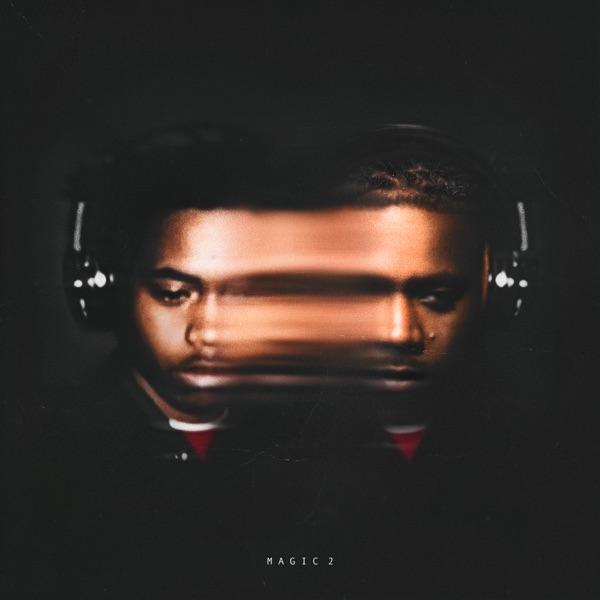
If, at any point over the past three decades, Nas’ status was ever in question, his 2020s run with Hit-Boy shut down any and all such speculation. The Queensbridge-bred rapper earned his spot in the GOAT debate well before the critically acclaimed and award-winning King’s Disease dropped in 2020, and the full-length sequels to that album only strengthened his position, not to mention his already legendary pen. Yet when Magic dropped on Christmas Eve 2021, listeners felt the difference. This was Nasir Jones operating on a decidedly different vibe, rapping for the love of it for a half hour straight over some of his go-to producer’s most gratifying beats. A sort of modern-day parallel to his archival Lost Tapes compilation, Magic 2 serves his fans with a veteran’s ear and a dexterous flow. “Abracadabra” offers a rigorous recap of this era of his career, nodding back to his past while marveling at it all. He pulls off a Queens coup with the homegrown “Office Hours,” reuniting with 50 Cent on record for the first time in some 20 years. Hit-Boy’s instrumentals vary between the understated chill of “Black Magic” and the melodic boom-bap revival of “Pistols on Your Album Cover.” The closing bonus of “One Mic, One Gun” with 21 Savage feels less like a victory lap than a leveling up.
Magic 3
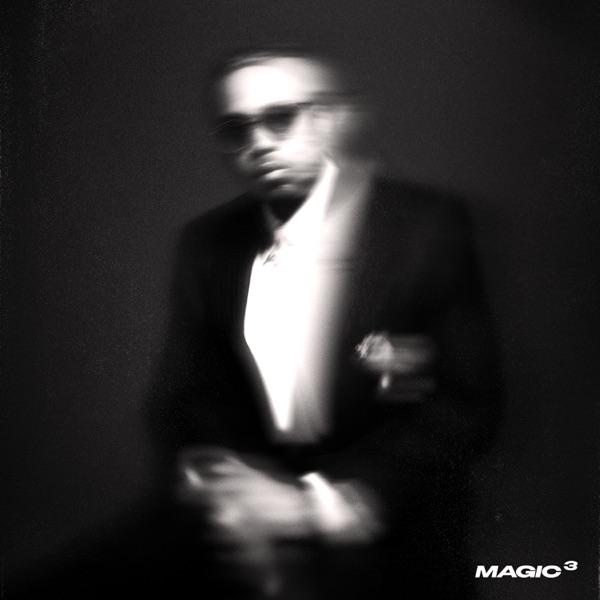
Nas’ career boasts so many peaks that it’s futile even trying to spot valleys. Even so, the Queensbridge-bred rap luminary’s run with producer Hit-Boy in the 2020s rivals, if not outright tops, many of those prior high points. Timed to release on his 50th birthday—and in hip-hop’s 50th anniversary year, no less—Magic 3 seeks to close out this particular chapter in his vast and storied rhyme book. Though one naturally hopes these two artists will one day reunite, the sixth project from this fan-friendly team-up makes for one thrilling finale. From the emboldened opening bars of “Fever” to the closing victory lap “1-800-Nas&Hit,” Hit-Boy provides Nas with a supreme soundtrack for the cinematic sonic franchise, with standouts like “I Love This Feeling” and “Superhero Status” exemplifying the potency of their fortuitous collaboration. As a lyricist and performer, Nas remains righteously in the GOAT debate, a fact reinforced by several of these 15 tracks via showing more than telling. That knack for compelling, street-level storytelling continues on the two-part “Based on True Events,” while the ironically titled “Speechless, Pt. 2” confirms his effortlessly ruthless approach to rapping for the love of rapping. On the lighter side, he’s still out here playing the field, as “Pretty Young Girl” romantically lays out a mature proposal befitting his status and refined interests. Given the luxe flexes he exhibits on “Blue Bentley,” it’s an offer definitely worth considering. Though he has nothing left to prove, Nas insists on setting the record straight for anyone unclear or misinformed. On “TSK,” he scolds disingenuous critics and keyboard warriors while staking his rightful claim to hip-hop’s living history. On the aforementioned “I Love This Feeling,” he casually mentions that he’s quietly retired from the game more than once, making Magic 3 an even more auspicious affair. And though Nas could’ve invited just about anyone to this wrap party, the sole cre...
Light-Years
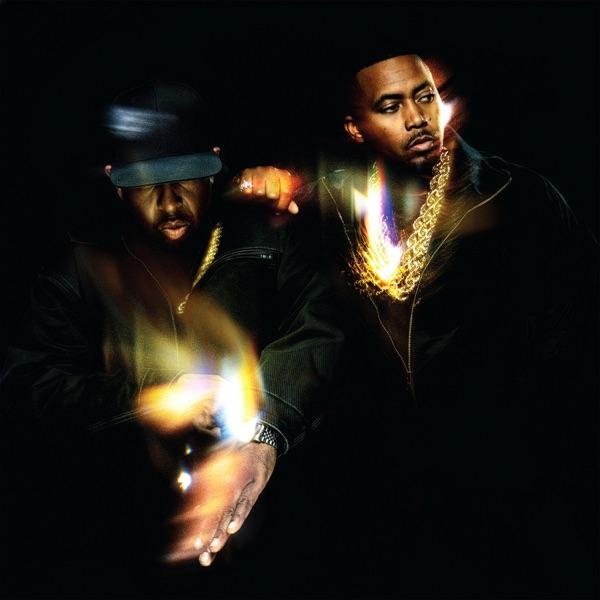
Any telling of Nas’ story would be woefully incomplete without mentioning DJ Premier. Back in the day, the esteemed Gang Starr producer laced the then-rising Queensbridge MC with three beats that made his game-changing 1994 debut, Illmatic. That professional connection continued with placements on albums like I Am… and the triumphant Stillmatic, further linking the two artists in the annals in hip-hop history. As such, the arrival of Light-Years, fully produced by Preemo at the virtual halfway point of Nasir’s improbable 2020s run, seems like the fulfillment of rap destiny. Naturally, these men have grown and evolved in the three decades since their first team-up. Nas’ references to crypto portfolios and Saudi investments on “GiT Ready” and “Welcome to the Underground” are exceedingly far from those found on their initial studio collaborations, a better reflection of the artist as contemporary businessman while intermittently nodding to his origins as a NYCHA project kid. That’s not to say the album doesn’t indulge in nostalgia, evidenced early on by a sociopolitically-charged third installment in their “NY State Of Mind” series. Elsewhere, he conjures the spirit of graffiti’s glory days on “Writers” and revisits his rap personas on the existential run-through “Nasty Esco Nasir.” Raising the bar, Premier’s signature scratch-laden instrumentals veer between throwback to timeless through the cavernous chill of “Madman” and the cassette noise groove of “Pause Tapes.” Some of his unapologetic sample choices convey his elder statesman status, repurposing a seminal mid-’70s funk-rock hook for the evocative “It’s Time” and elevating the lost art of elite boom-bap on closer “3rd Childhood.” By combining his impossibly deep crates with Nas’ extensive book of rhymes, Light-Years sets itself apart as a standout in both of their storied catalogs.

Feature Presentation 2025
In 2025, Nas and Mass Appeal introduced the Legend Has It… series, a collection of new albums from seminal rap artists like De La Soul, Big L, Mobb Deep, Slick Rick, Ghostface Killah, Raekwon, and Nas himself with DJ Premier. A year later, Nasty Nas has revisited those projects in a new context, highlighting the guest verses he provided for each of these artists on their Legend Has It… releases. Ever the auteur, though, the New York legend takes a cue from bonus features included on home video releases, adding in his own “director’s commentary” in between tracks. It’s an essential listen for rap fanatics, a behind-the-scenes look at Nas’ relationships with some of the other biggest names in hip-hop. He reflects on De La Soul (“I been a fan since a kid”) and Ghostface Killah (“There’s no one greater than Ghostface”), adding a rich perspective to these late-era releases from Nas’ peers and idols.