Artist
J. Cole
Albums

The Come Up Mixtape Vol. 1
In the 2010s, J. Cole ascended to become one of the most beloved and commercially viable rappers in the industry. He built a loyal fanbase with his mix of lyrical dexterity, earnestness, and a do-it-yourself approach to much of his production and recording. But perhaps most importantly, J. Cole fans are so attached to him because they feel like they’ve been aboard his journey from day one. The Fayetteville, North Carolina, native earned a scholarship to St. John’s University, graduating in 2007. In the meantime, he honed his craft as a rapper and producer while working a telemarketing job. He famously waited in the rain outside the offices of JAY-Z’s Roc the Mic Studios for three hours to give him a beat CD, with hopes that he’d use them on his 2007 album American Gangster. Jay declined the young upstart’s demo, but Cole did the next-best thing: He used those beats for himself as the foundation of his debut, The Come Up Mixtape Vol. 1. Listeners didn’t know then that he would eventually sign to Roc Nation and make a song with Jay, but they received ground-level access to an artist who was motivated and talented. He counted rappers like Canibus, Eminem, 2Pac, and Nas as influences, and those were clear—he had clever punchlines, dexterous rhyme schemes, and lyrics that were thoughtful and introspective without veering too far into preachy or conscious territory. “Simba” and “Dollar and a Dream” would be the beginning of motifs he’d use to display the hunger for success that his die-hard fans remember him by. In hip-hop, rags-to-riches stories are a dime a dozen, but it’s different when you were there the whole time.
The Warm Up
Friday Night Lights

Cole World: The Sideline Story
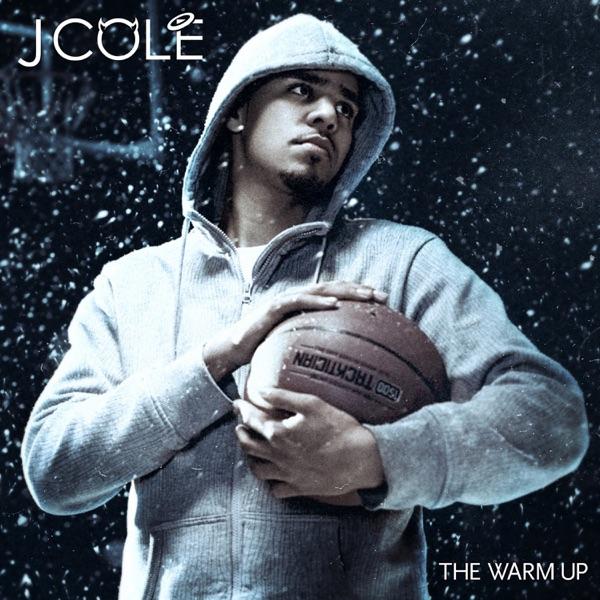
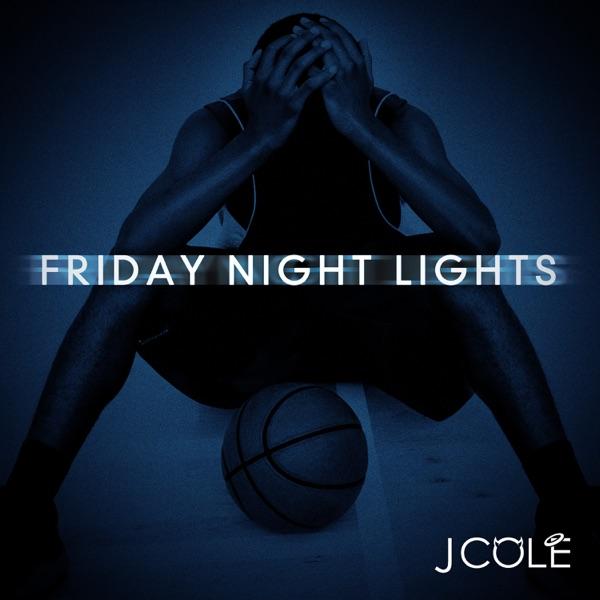
Before Jermaine Lamarr Cole went toe-to-toe with rap greats, he was a 20-year-old college student with nothing more than a dollar and a dream, perched outside of New York City’s Baseline Studio in the rain, hoping to hand his demo to idol JAY-Z. He wouldn’t end up meeting JAY-Z that day, and wouldn’t for nearly five years. But this crucial in-between period—defined by sleepless nights, undying hope, and untold hours spent perfecting his skills—would end up fueling Cole’s 2011 major label debut, Cole World: The Sideline Story. It’s an album that doubles as a blueprint for how to successfully break into the game—the kind of record the North Carolina MC could have used when he was younger. As he says himself: “I wish somebody made guidelines/On how to get up off the sidelines.” Sonically, The Sideline Story introduced the mainstream market to Cole’s signature sound: warm, triumphant, and nostalgic. It’s a style that had been forged on early mixtapes like Friday Night Lights and The Warm Up, both of which are represented here by a handful of tracks. And while previously unheard deep cuts like “Rise and Shine” give the feeling of watching your favorite sports team’s homecoming, the delicate pianos of “Sideline Story”—which are sprinkled all over the album—invite vulnerability and introspection. That kind of duality can be found throughout The Sideline Story, which is sometimes split between “radio” Cole and “conscious” Cole. The more commercial moments here would introduce already die-hard fans to a more lighthearted side of Cole, on such songs as “Who Dat” and “Can’t Get Enough.” But deep cuts like “Lost Ones” and “Breakdown” examine topics like abortion and abandonment with the utmost care and grace. Still, the rapper’s ongoing battle between right and wrong remains the lyrical center of the album. You can hear that inner conflict most clearly on “Lights Please,” the track that had found its way to label-head JAY-Z, eventually e...

Born Sinner (Deluxe Version)
Guest verses on Cole's second studio album come from 50 Cent ("New York Times") and Kendrick Lamar ("Forbidden Fruit"), but it's the R&B touches that imbue the project with its defining soul. TLC's T-Boz and Chilli bring a summer sheen to "Crooked Smile," Miguel helps turn "Power Trip" into a melancholic lament on love, and the Dirty Projectors' Amber Coffman graces the dramatic "She Knows."
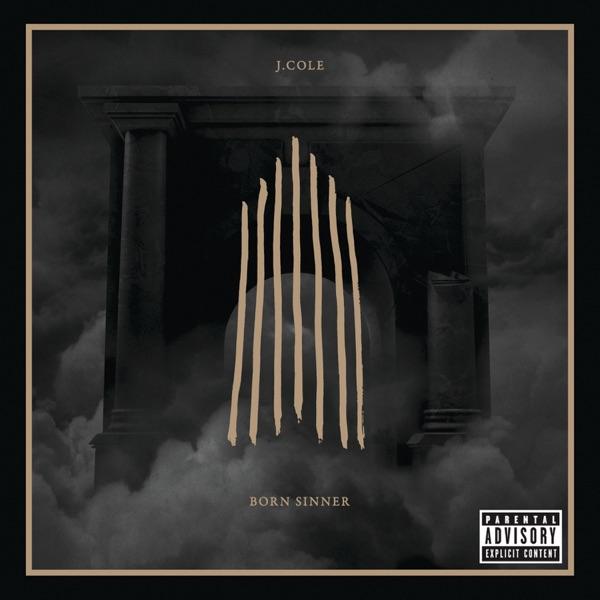
Born Sinner
A talent on the mic and behind the boards, J. Cole crafts smart and emotive hip-hop. Guest verses on Cole's second studio album come from 50 Cent ("New York Times") and Kendrick Lamar ("Forbidden Fruit"), but it's the R&B touches that imbue the project with its defining soul. TLC's T-Boz and Chilli bring a summer sheen to "Crooked Smile," Miguel helps turn "Power Trip" into a melancholic lament on love, and the Dirty Projectors' Amber Coffman graces the dramatic "She Knows."

2014 Forest Hills Drive
Named after his childhood home, J. Cole’s highly revered third studio album sticks to the Fayetteville, NC rapper’s well-established formula, featuring several self-produced cuts in which warm, old-school samples underpin lyrics about life’s weighty lessons. But unlike earlier offerings, 2014 Forest Hills Drive makes hard pills easy to swallow, as the rapper finds his footing and perfects the balance between conscious and commercial. The album also finds Cole trying to balance the coexistence of darkness and light, with the smile-inducing “Wet Dreamz” pouring into poignant cuts like “03’ Adolescence.” All the while, Cole’s lyrical approach is as unpretentious as his wardrobe, with the MC delivering lessons on cultural appropriation, relatable childhood faux pas, and the true meaning of life. Thanks to its unflinching confidence, playful narratives, and soulful reflections, 2014 Forest Hills Drive would prove to be Cole’s most successful album—culturally and critically—upon its release in 2014. It would go on to sell more than 3 million copies, thanks in part to a daring (and deeply personal) marketing campaign: Cole announced the record less than a month before its drop date, and in the lead-up to release day, the rapper invited a group of his biggest fans to the actual 2014 Forest Hills Drive for a listening session (later, Cole turned that very home into rent-free housing for single mothers). To this day, 2014 Forest Hills Drive remains a crucial entry in the J. Cole catalog: an album that draws on his past, while also giving listeners a glimpse of his future.

Revenge of the Dreamers II

Forest Hills Drive: Live from Fayetteville, NC
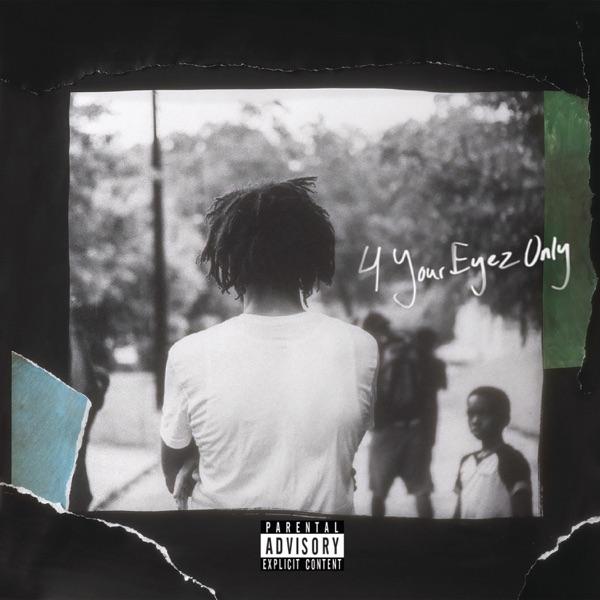
4 Your Eyez Only
During the making of 4 Your Eyez Only, J. Cole experienced firsthand some of the racism and social unease that would fuel his fourth studio album. The rapper had begun work on 4 Your Eyez Only by renting a house in an affluent neighborhood in North Carolina, where he holed up in order to write and record tracks . But some nosy neighbors eventually called the police, suspecting the house—which was being frequented by predominantly Black music-makers—was being used as a drug den. A SWAT raid followed, resulting in the discovery of nothing more than a makeshift recording studio. The racially charged incident eventually inspired a single—titled “Neighbors,” of course—and Cole even wound up incorporating surveillance footage of the raid into his subsequent tour. But the majority of 4 Your Eyez Only—which topped the charts upon its release in 2016—focuses on a fictitious drug-dealer named James, who was inspired by two men Cole grew up with in Fayetteville, NC. From the ominous album opener, “For Whom the Bell Tolls,” it’s clear that James’ story is a sobering one, and that Cole is trying to humanize the plight of millions of young Americans who are so often scapegoated in the media. And, in many ways, 4 Your Eyez Only is a clear-cut conscious hip-hop project, with cuts like “Immortal” and “Change” addressing systemic forces of oppression. But elsewhere on the album, such tracks as “Deja Vu” and “Foldin Clothes” take a lighter approach, mulling over the connections between platonic love, almond milk, and clean laundry. “She’s Mine, Pt. 2,” meanwhile, focuses on the bliss of fatherhood. Although the cards are clearly stacked against James, 4 Your Eyez Only remains an inspiring love letter to Cole’s own daughter—as well as an eye-opening message for his listeners.
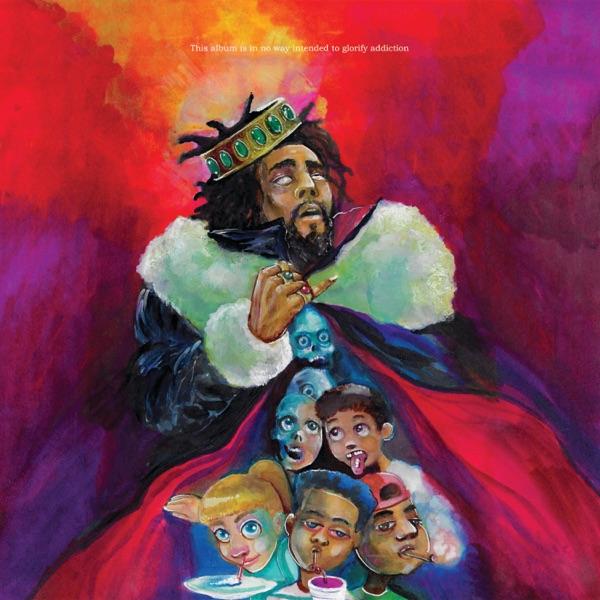
KOD
Released in 2018, J. Cole’s fifth studio album came together in just two weeks, after Cole shared the stage with fellow voice-of-a-generation rapper Kendrick Lamar during his DAMN. tour, and decided he was ready for another anthemic body of work. The result, KOD, is riddled with social messages and symbolism, starting with the title itself, which is an acronym for many things: Kids on Drugs, Kill our Demons, and King Overdosed. The colorful album art, meanwhile, displays children taking pills, snorting cocaine, smoking weed, and sipping lean (when you look closer, the children can be seen morphing into morbid figures, under the cloak of a jewel-encrusted king). The lyrics on KOD are even more provocative, and find Cole leaning inward, unpacking his own traumas, demons, and vices, warning about unhealthy dependencies to materialism and drugs. On “Once an Addict,” the platinum-selling rapper uses his mother’s story to ruminate on the intergenerational effects of alcoholism, while “Kevin’s Heart” finds him using comedian Kevin Hart’s publicized infidelities as a vehicle to discuss Cole’s own internal struggles with monogamy. These are weighty topics. But listeners didn’t mind: KOD not only topped the album charts, it broke numerous streaming records on its first day of release.

Revenge of the Dreamers III
If meme culture has contributed anything to the legacy of J. Cole, it helped establish him as a sort of popular rap antihero: “J. Cole went platinum with no features.” Casual fans could be forgiven for thinking this an indicator of Cole’s friend circle, but his label Dreamville’s Revenge of the Dreamers III compilation goes to great lengths to prove the opposite. The recording sessions, which took place over a 10-day period in January 2019, reportedly hosted over 100 artists and producers, all of whom were summoned via personal invitation. The songs (and contributors) that made the album, then, are the best of a creative community formed at the behest of “Mr. Nice Watch” himself. Present, of course, is the home team of Dreamville singer Ari Lennox, Queens-hailing everyman rapper Bas, ATL bar specialist J.I.D, songwriter/producer Omen, and Atlanta duo EARTHGANG, among others—along with names that were at one time unlikely to appear on the same playlist as Cole, let alone a compilation album flying his label’s banner. Each of the project’s 17 songs overflows with features, with notable contributions coming from young power players outside of the camp like Buddy, Young Nudy, KEY!, Maxo Kream, DaBaby, and Ski Mask the Slump God. The spirit of collaboration is audible throughout, as confirmed by Bas, who spoke with Apple Music just after the album’s recording. “It was so easy to create,” he says. “You have so many other creatives that you trust and respect, you don’t have to overdo it. You could do a 16-bar verse or hook or bridge and know that someone else is bringing something dynamic to the table.” The MC, who appears on four songs on Revenge III, clearly isn’t concerned about what working with a wealth of talent means for air space within the project. “I wish we could work like this all the time,” he says.

Revenge of the Dreamers III: Director's Cut
If the summer 2019 release of the original Revenge of the Dreamers III compilation did nothing else, it established J. Cole’s Dreamville Records lineup as one of the most formidable crews of the era. The project’s impact went even further, though, helping to elevate the profiles of non-Dreamville contributors like Buddy and Guapdad 4000. This expanded Director’s Cut, which contains 12 previously unreleased songs in addition to the 18 included on the original, puts the spotlight back onto the nuclear family. There are, of course, outside voices—most notably Smino, 6LACK, and Vince Staples. But particularly inspired showcases from the label’s roster including high-octane rapping (JID’s “Big Black Truck”), jazzy R&B (Ari Lennox’s “BUSSIT”), and dead-eyed slick talk (Bas and Cozz on “Outta Pocket”)—along with ever-dependable posse cuts “Passcode” and “Revenge”—prove that the Dreamville team is capable of covering all bases.
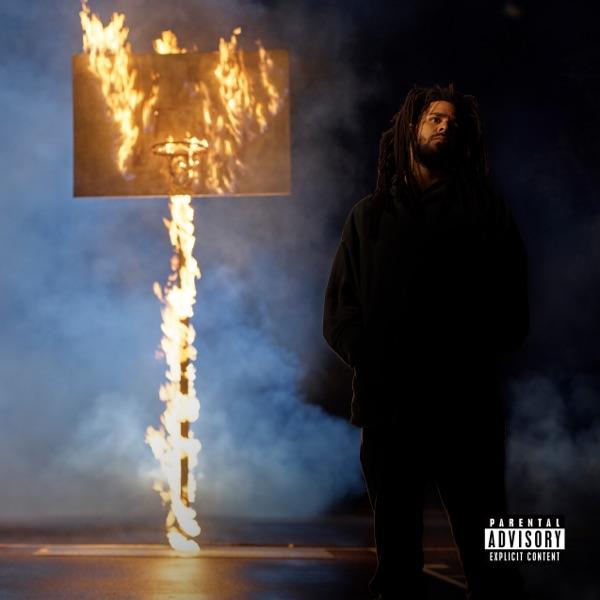
The Off-Season
For athletes of both the professional and amateur ranks, the time between seasons is an opportunity to recuperate and to sharpen their tool set for the next run. Superstar MC J. Cole, whose career has long been informed by both basketball metaphor and actual basketball playing (in May 2021, ESPN reported that Cole had joined the Basketball Africa League's Rwanda Patriots BBC), has crafted his The Off-Season mixtape in the same mold, affirming that if he’s done anything in the time since 2018’s KOD album, it’s get even better at what he does. The 12-track tape is at once a testament to his actual rhyme skill and the reverence he’s earned within hip-hop. He’s sourced production from Boi-1da, Timbaland, Jake One, and T-Minus, among others, and has words—but not verses—from Cam’ron, Damian Lillard, and a man he admits to having once had an actual physical alteration with, Sean “Puff Daddy” Combs. Though he takes time to shout out both Chief Keef and Dave East—conspicuously opposite forces in the realm of contemporary rap—proper features here come from fellow Fayetteville native Morray and “a lot” collaborator 21 Savage. Over the course of his career, Cole’s been known as something of a lone wolf—J CoLe wEnT pLaTiNuM WiTh nO fEaTuReS. But in the scope of the energy we get from him on The Off-Season, it’s less likely that he’s been avoiding other rappers than that he's just left them all behind.

D-Day: A Gangsta Grillz Mixtape
There was a time, not long ago, when a DJ Drama-helmed Gangsta Grillz mixtape was maybe the most official declaration of a hip-hop artist’s arrival. Though Drama would exit the mixtape game to develop stars like Lil Uzi Vert and Jack Harlow—the Gangsta Grillz brand fully intact—contemporary rap has yet to find a replacement for “Mr. Thanksgiving” popping his shit at the beginning (and end) of the whole of a mixtape’s tracks. Someone with the star power of Dreamville label head J. Cole needn’t have called on Drama—in this day and age or any other—to affirm his standing in hip-hop, but their collaborative D-Day: A Gangsta Grillz Mixtape is a victory for fans of either era. To be clear, Cole’s Dreamville team knows how to put a mixtape together. Look no further than 2019’s Revenge of the Dreamers III, a project whose recording process became the talk of the industry before it’d even come out. But with D-Day, the crew pays tribute to an institution while realizing the mission of every hip-hop mixtape ever released: reaffirming that the MCs therein are skilled enough to hold your attention even when outside of “album mode.” D-Day is an undiluted showcase for Dreamville’s very dynamic roster, providing plenty of space for under-heralded MCs like Bas, Lute, Cozz, Omen, and EARTHGANG to bar up, making time for Ari Lennox to cosplay as young Mary J. Blige (“Coming Down”), and then allowing the big boss man J. Cole to go straight savage on the gleefully nihilistic “Freedom of Speech.” The guest verses here are just as rewarding as they are surprising, and include sets from A$AP Ferg, 2 Chainz, Young Nudy, and long under-regarded LA gangsta rap traditionalist G Perico. If this differs from previous Gangsta Grillz tapes, it’s because the agenda here is not to anoint the collective as a force to be reckoned with. The reality is that they’ve been a force, and also that they’ve already managed to leap the contemporary version...
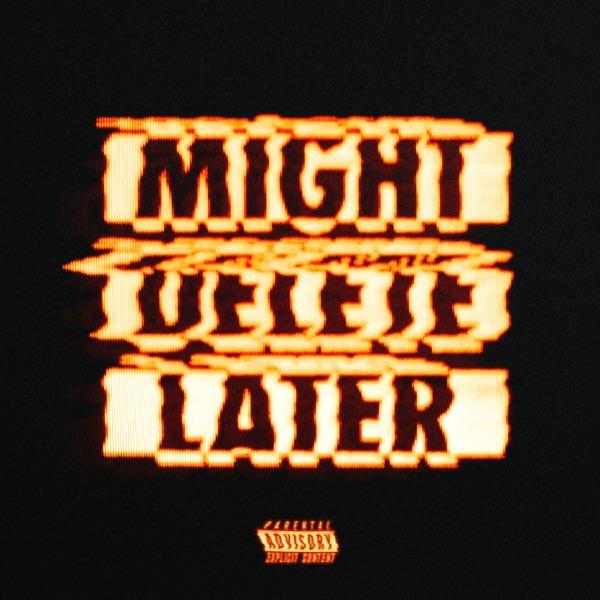
Might Delete Later
At a time when rappers are inclined and incentivized to overstuff their projects, J. Cole chooses instead to do more with less. The North Carolina-bred rapper’s move towards shorter and tighter solo outings has certainly served him well since at least 2016’s chart-topping 4 Your Eyez Only. While presented as a mixtape rather than a new album, Might Delete Later follows the concise approach of KOD and The Off-Season, with Cole once again limiting himself to 12 tracks. Within these confines, however, he provides fans with the flows and phrasing they’ve come to expect from him, alongside features from the likes of Ab-Soul, Central Cee, and Gucci Mane. On “Crocodile Tearz,” he waxes poetic on his top-tier status and makes direct mention of his elusive, long-awaited album The Fall Off in the same breath as JAY-Z’s Reasonable Doubt. Later, he brags about risk-taking from a position of strength on the beautifully named “Trae the Truth in Ibiza” and futurizes his way through the boom-bap clatter of “3001.” Naturally, the producers give him plenty to thrive over. The Alchemist helps elevate the discourse on “Stickz N Stonez,” while Conductor Williams orchestrates the back half of closer “7 Minute Drill,” a Kendrick Lamar diss that Cole subsequently disavowed publicly within days of release. Though some might understandably dwell on Might Delete Later’s final three and a half minutes, much of what precedes that finale defends Cole’s legacy even more emphatically. Cam’ron’s guest appearance on “Ready ’24” would be an impressive flex as is, were it not a bold remake of a Diplomats classic. Yet his willingness to yield the spotlight to his longtime Dreamville signee Bas on the moving “Stealth Mode” speaks even louder.

2014 Forest Hills Drive (10 Year Anniversary Edition)
Named after his childhood home, J. Cole’s highly revered third studio album sticks to the Fayetteville, NC rapper’s well-established formula, featuring several self-produced cuts in which warm, old-school samples underpin lyrics about life’s weighty lessons. But unlike earlier offerings, 2014 Forest Hills Drive makes hard pills easy to swallow, as the rapper finds his footing and perfects the balance between conscious and commercial. The album also finds Cole trying to balance the coexistence of darkness and light, with the smile-inducing “Wet Dreamz” pouring into poignant cuts like “03’ Adolescence.” All the while, Cole’s lyrical approach is as unpretentious as his wardrobe, with the MC delivering lessons on cultural appropriation, relatable childhood faux pas, and the true meaning of life. Thanks to its unflinching confidence, playful narratives, and soulful reflections, 2014 Forest Hills Drive would prove to be Cole’s most successful album—culturally and critically—upon its release in 2014. It would go on to sell more than 3 million copies, thanks in part to a daring (and deeply personal) marketing campaign: Cole announced the record less than a month before its drop date, and in the lead-up to release day, the rapper invited a group of his biggest fans to the actual 2014 Forest Hills Drive for a listening session (later, Cole turned that very home into rent-free housing for single mothers). To this day, 2014 Forest Hills Drive remains a crucial entry in the J. Cole catalog: an album that draws on his past, while also giving listeners a glimpse of his future.