Artist
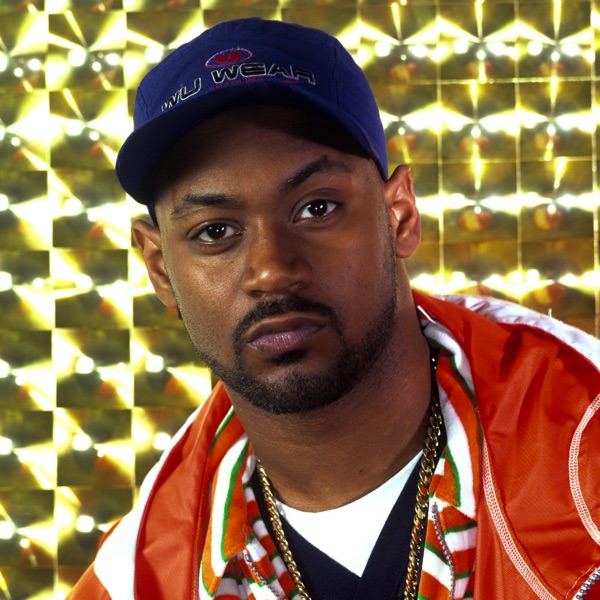
Ghostface Killah
Albums
Ironman
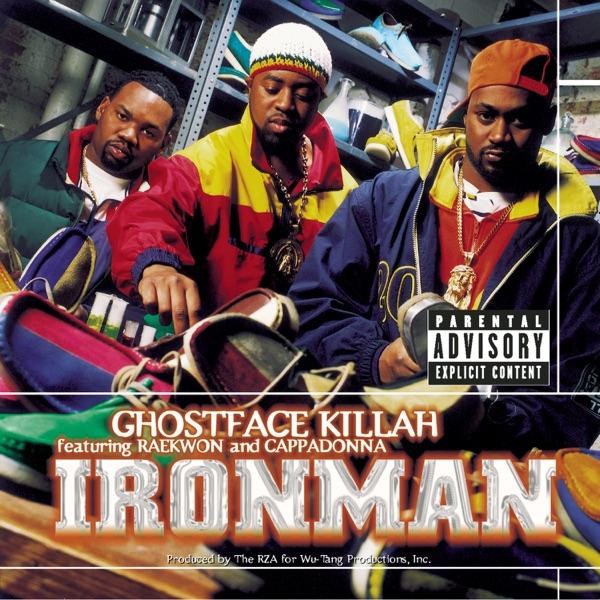
In the long list of Wu-Tang solo projects, Ironman sits near the top. The wordplay was vivid, the atmosphere tense, the performances—both from Ghost and featured players Raekwon and Cappadonna—somehow both casual and menacingly precise. Raekwon’s Only Built 4 Cuban Linx…—“guest starring” Ghost, as the album cover put it—had raised the bar for narrative rap only a year earlier (a year after Nas’ Illmatic, no less), but Ironman was different. The stories were there (“260,” “Motherless Child”), but there was also a sense of heart that set him apart (“All That I Got Is You”), not to mention a surreal streak that made even his more boneheaded raps feel like poetry. You want to know how hard he is? He pees out the window on the freeway—that’s how hard (“Daytona 500”). This was the vanguard of New York street rap in the mid-’90s: a little noir, a little Blaxploitation, a little pulp fiction, and a little bracing realism. You got the sense that crime made them rich. You also got the sense that it put them in a permanent moral bind. But neither were as important to the music as the sheer sensation of being in the dark hallways and cramped apartments where these things took place. Like its successor, Supreme Clientele, the essence of Ironman is its atmosphere, which—like RZA’s production—is as threatening and tactile as it is dreamy and obscure, like fading graffiti on a crumbling city wall. (Raekwon is expectedly great, too, but anyone following the arc and mythology of the Wu-Tang Clan will pay special attention to Cappadonna, who rarely sounded better.) Ghostface later said he wasn’t in the right frame of mind to be making an album at all, let alone one supposed to introduce the breadth of his creativity to the world: He was depressed, struggling with a recent diagnosis of diabetes, and watching one of his best friends ship off to prison for 25 years for a crime it turns out he didn’t commit. Ironman might not describe ...

Ironman (25th Anniversary Edition)
In the long list of Wu-Tang solo projects, Ironman sits near the top. The wordplay was vivid, the atmosphere tense, the performances—both from Ghost and featured players Raekwon and Cappadonna—somehow both casual and menacingly precise. Raekwon’s Only Built 4 Cuban Linx…—“guest starring” Ghost, as the album cover put it—had raised the bar for narrative rap only a year earlier (a year after Nas’ Illmatic, no less), but Ironman was different. The stories were there (“260,” “Motherless Child”), but there was also a sense of heart that set him apart (“All That I Got Is You”), not to mention a surreal streak that made even his more boneheaded raps feel like poetry. You want to know how hard he is? He pees out the window on the freeway—that’s how hard (“Daytona 500”). This was the vanguard of New York street rap in the mid-’90s: a little noir, a little Blaxploitation, a little pulp fiction, and a little bracing realism. You got the sense that crime made them rich. You also got the sense that it put them in a permanent moral bind. But neither were as important to the music as the sheer sensation of being in the dark hallways and cramped apartments where these things took place. Like its successor, Supreme Clientele, the essence of Ironman is its atmosphere, which—like RZA’s production—is as threatening and tactile as it is dreamy and obscure, like fading graffiti on a crumbling city wall. (Raekwon is expectedly great, too, but anyone following the arc and mythology of the Wu-Tang Clan will pay special attention to Cappadonna, who rarely sounded better.) Ghostface later said he wasn’t in the right frame of mind to be making an album at all, let alone one supposed to introduce the breadth of his creativity to the world: He was depressed, struggling with a recent diagnosis of diabetes, and watching one of his best friends ship off to prison for 25 years for a crime it turns out he didn’t commit. Ironman might not describe ...

Camay / Daytona 500 (feat. Raekwon & Cappadonna) - EP

Supreme Clientele
Ghostface Killah was chasing his life in 1997. He was 27 and sick with diabetes, and—thinking he had cancer—he went to the African nation of Benin with fellow Wu-Tang Clan member RZA, lived in a mud hut, was treated by a bush doctor, and came back with many of the staggering lyrics that decorate 2000’s Supreme Clientele. He sounds glad to be alive; he sounds totally freaked. In a time when everybody who ever delivered sandwiches for Wu-Tang seemed to be getting a solo deal, here Tony Starks, as he calls himself (he also calls himself the Black Boy George on “Stroke of Death”), makes everything stick. Even when you don’t know quite what he’s getting at, his abstract, detail-crammed narratives, often tinged with biographical asides, make for a vivid set of stories. Producer RZA was wrestling with quality control. He’d just masterminded double album Wu-Tang Forever in 1997 and then sent out key members for solo projects, pairing them up with other producers. Ghostface Killah, however, he couldn’t bring himself to hand off, and RZA ended up producing more than half the songs here and revising the work of others. He offers an especially strong mix of his grime and besmirched classic soul. “Nutmeg” chops up a strings-and-flutes sample; “One” is a methodical track that repeats its monosyllabic titular number at the end of each line, screwing the lid down on Ghost’s anarchic verbiage. There are disses (on a skit and the song “Ghost Dini”) that got under 50 Cent’s skin, and appearances from strategic guest stars—including Raekwon, GZA, and Redman. Meanwhile, Ghostface Killah does anything for impact, with writing that feels like a Donald Goines paperback, Ip Man fan fiction, and several awkward pages of a coming-of-age memoir torn out of his notebook, all of it cut up and glued together for maximum emotional wallop.

The Yin and the Yang

Bulletproof Wallets
One thing to consider when listening to Bulletproof Wallets is that it came out about a month before what would be Wu-Tang Clan’s last album for six years (2001’s Iron Flag). The allegiance was fraying, the tensions rising, and the image of the group giving way to something that looked more like a heavily negotiated trade agreement than a creative brotherhood, complete with nitpicky grievances and the sense that the parties involved didn’t support so much as tolerate each other. Ironman was a landmark and Supreme Clientele even more radical, but Bulletproof Wallets was lower-key. Three years after Ol’ Dirty Bastard had gotten onstage at the Grammys and offered his expert opinion that Puffy was good but Wu-Tang was the best, you could hear Ghostface adapting to the cultural shift toward the hip-hop/R&B hybrids that in the next few years would become the norm, if they weren’t the norm already (“Never Be the Same Again,” “Flowers”). He still told crime stories (the Raekwon-featuring “The Hilton”), but he also played around more earnestly with singing (“Ghost Showers”), slow jams (“Love Session”), and the kind of rap-for-rap’s-sake that would’ve put a smile on the face of grown folks raised on Slick Rick or Run-DMC (“The Forest”)—all modes he explored further on 2004’s The Pretty Toney Album. In a way, it was fitting: With Wu transitioning out of the cultural spotlight, the low-stakes idiosyncrasy of Bulletproof Wallets pointed a way forward, putting Ghost in the company of singular, fan-favorite rappers like MF Doom and Kool Keith. “Excuse me if I’m horny/No doubt, I might knock the beat up,” he raps on “Ghost Showers.” Now in his thirties, he knows how to beg your pardon.

Shaolin's Finest
![Tush (feat. Missy Elliott) [Club Mixes] - EP](/_next/image?url=https%3A%2F%2Fapi.igotalist.com%2Fstorage%2Fv1%2Fobject%2Fpublic%2Flist-thumbnails%2Fghostface-killah%2Ftush-feat-missy-elliott-club-mixes-ep.jpg&w=640&q=75)
Tush (feat. Missy Elliott) [Club Mixes] - EP

Fishscale (Expanded Edition)
Fans might argue over how to rank his best albums, especially when you get to the top (Ironman or Supreme Clientele? How lucky we are to live in a world with both), but if you want to hear everything that makes Ghostface one of the best rappers to ever do it in one place, it’s 2006’s Fishscale. As a storyteller, nobody paints such full pictures in so few words (“Shakey Dog”), not to mention has the range to come back two tracks later with the kind of gym-ready raps-for-rap’s-sake that make you grateful the form was invented (“The Champ”). He can do pop (“Back Like That”), he can do posse cuts (“Be Easy”), he can do old-school soul-sampling drug rap (“Crack Spot”) and streams of consciousness that would make quote-unquote alternative rappers pale with envy (“Underwater”). And hey, if a big-time label like Def Jam is willing to listen, he can even sing—just don’t expect him to do it in tune (his verse on “Jellyfish”). Wu-Tang might’ve bridged the gap between what we think of as mainstream and what we think of as underground, but it was Ghostface who maintained it. By this point, Wu-Tang was dormant, and rap was shifting toward novelties like Dem Franchize Boyz and D4L on one hand (beautiful, exhilarating novelties) and the mixtape-driven experiments of Lil Wayne and Gucci Mane on the other. Not gangsta, but trap; not New York or LA, but Atlanta. An artist like Ghostface was on some level a throwback just for continuing to exist—not to mention one wading into the uncharted waters of being a rapper over the age of 35. Few rap albums of the time have aged better.
More Fish
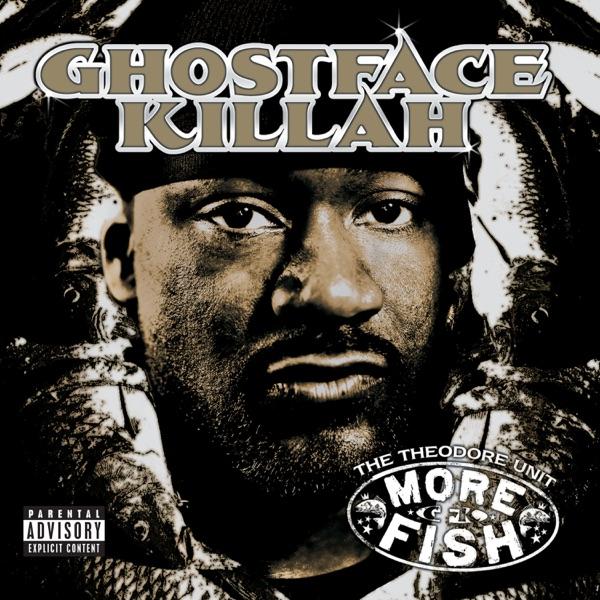
On this sequel to Fishscale, released months prior, Ghostface lines up guests on nearly every track. Kanye West pops up on the “Back Like That” remix to boast about his sexual exploits, an Amy Winehouse sample adds a soulful hook to “You Know I’m No Good,” and Cappadonna lends a spirited verse to “Guns n’ Razors.” Despite the many helping hands, Ghostface is still the star of the show, weaving grimy street tales with expert wordplay over samples dripping with soul.

Crambodia - EP

The Big Doe Rehab (Expanded Edition)
Ghostface reaches back to his roots and brings some of his Wu-Tang cohort along for this ride: Method Man, U-God, Masta Killa, and Raekwon all make appearances. He sticks with the formula that works: Over soul samples, Ghostface presents himself as a detailed narrator of the street, an eye-level storyteller whose unvarnished flow spares nothing. This shines through most clearly on cuts like “Yapp City,” a first-person account of a stickup, and “Yolanda’s House,” which opens with Ghost vividly describing an escape from police.

GhostDeini the Great (Bonus Track Version)

Ghostdini: Wizard of Poetry In Emerald City (Deluxe Edition)
On his eighth LP, Ghostface gifts us with an R&B album—fun, casual, and sexy—built as much from smooth guest singers’ verses as from his own. “Lonely,” with its gentle guitar backdrop, offers Ghostface at his most vulnerable, weaving a tale of love lost. “Guest House” is a slow, ’70s-inspired bass groove in which Ghostface tattles about a rendezvous gone awry. And “She’s a Killah” bends Ron Browz's Auto-Tuned voice around the hook over waves of danceable drums.

Ghostdini: Wizard of Poetry In Emerald City
Ghostface has always been a ‘70s soul man at heart, and as he nears 40, he's finally found the courage to release an album solely consisting of emotional R&B rap. Almost all of Ghost’s work tilts towards old soul records, so Ghostdini isn’t just about the thrill of hearing vintage samples — though it is nice to hear premium selections from long lost artists like Yvonne Fair, Norman Feels, and Love, Peace & Happiness. The album is more about Ghost’s mindset. What he takes from R&B is a license to expose himself. Of course, Ghost’s version of vulnerable isn’t harmless. “Stapleton Sex” is a fantasy worthy of Penthouse Forum, while “Guest House” is a hyper-detailed narrative about philandering in which Fabolous and Shareefa play the culprits. Still, even when he’s talking foul, Ghost’s approach is so liberated that every song exudes his special brand of sincerity. And even though Ghostdini avoids showing a softer Ghostface, he still delivers some of hip-hop’s most touching love notes in the form of “Baby,” “Stay,” and “Paragraphs of Love.”

Links to Poetry
Despite bearing the names of the most notable Wu-Tang Clan collaborators, the compilation Links to Poetry largely features Wu-Tang allies and affiliates. “Black Trump,” from the 1998 Cocoa Brovaz album Rude Awakening, runs a high-pitched whistle underneath the beat, with the Brovaz and Raekwon rapping in unison on the chorus. “Execute Them” is a classic RZA beat with haunting keys that leave atmospheric space for Masta Killa and Raekwon to spit comfortably. Ghostface shines solo on the soulful, Lyn Collins–sampling “Cobra Clutch.”

Wu Tang Presents... Wu-Massacre
Apollo Kids

Twelve Reasons to Die (Deluxe Edition)

Best of Ghostface Killah
36 Seasons
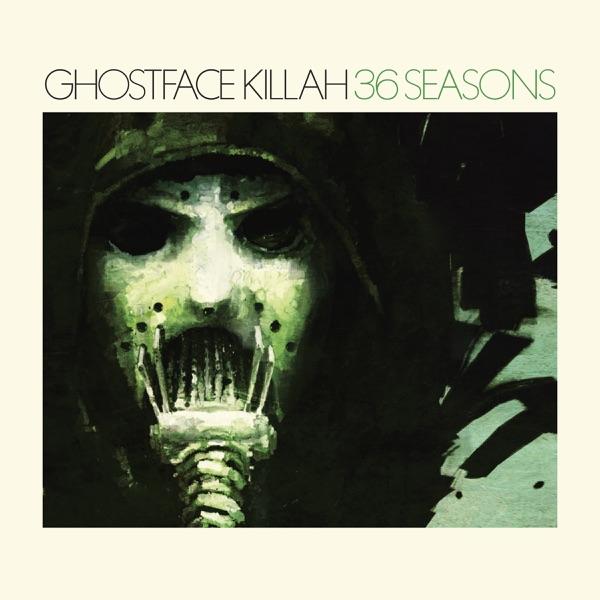
As something of a sequel to 2013's Twelve Reasons to Die, 36 Seasons finds Wu-Tang rapper Ghostface Killah reprising his role as Tony Starks, returning to Staten Island after four years to find his hometown ravaged by drugs and violence. Collaborating with Brooklyn funk specialists The Revelations, Ghostface spins his tale of urban warfare to the sounds of dusty '70s soul, with guests like Kandace Springs and Kool G Rap playing Starks' girlfriend and a drug dealer, respectively. From its clever beats to its cinematic scope to Ghostface's vivid rhymes, 36 Seasons plays like a lost Quentin Tarantino flick, full of B-movie thrills and a bloody outcome.
Sour Soul

Sour Soul (Instrumentals)

Adrian Younge Presents: Twelve Reasons To Die II

OG House (feat. Ghostface Killah) - EP

The Brown Tape

The Lost Tapes

The Lost Tapes (5 Year Anniversary)

The Lost Tapes (Instrumentals)
![Ghost Files (Bronze Tape) [Remixes]](/_next/image?url=https%3A%2F%2Fapi.igotalist.com%2Fstorage%2Fv1%2Fobject%2Fpublic%2Flist-thumbnails%2Fghostface-killah%2Fghost-files-bronze-tape-remixes.jpg&w=640&q=75)
Ghost Files (Bronze Tape) [Remixes]

Ghost Files (Propane Tape)

Czarface Meets Ghostface

I Think I Saw a Ghost (feat. Sheek Louch, Vic Spencer, Reignwolf & Luke Holland) - EP

Ghostface Killahs
Clocking in at just over 30 minutes, his 13th album Ghostface Killahs dispenses with the pleasantries, spreading the grimy New York gospel. Ghost calls out softness and is quick to escalate matters (“Pistol Smoke”). Wu-Tang Clan brethren Cappadonna, Method Man, Inspectah Deck, and Masta Killa rekindle their connection on “Me Denny & Darryl,” “Burner to Burner,” and “Waffles & Ice Cream.” Ghostface’s firstborn Sun God appears on “Fly Everything” and “The Chase.” The latter track begins with a tasty “Scorpio” flip and then quickly hits downhill speed. When Ghost’s rhyming over vintage soul samples—see “Flex,” “Fly Everything,” “New World”—he’s in his element, painting vivid pictures of his flamboyant and violent lifestyle. As the rap landscape evolves, you won’t see the Wu figurehead rocking skinny jeans anytime soon (though we wish he would stop using homophobic slurs in 2019).

Real Shit (Remixes) - EP

Super Soldier (feat. Ghostface Killah & Killah Priest) - EP

WU-KRAUTZ (feat. Cappadonna, Ghostface Killah, Inspectah Deck, Killah Priest & Masta Killa)

Set The Tone (Guns & Roses)

Staccs vs Starks (feat. Ghostface Killah) - EP

Supreme Clientele 2
Ghostface Killah captured lightning in a bottle with Supreme Clientele, his supernatural 2000 sophomore solo effort. The album is heralded as a classic, as both his best and as one of the greatest to come from the Wu-Tang Clan. Months after the album’s 25th anniversary, he released a sequel that satisfyingly lives up to the original, part of the seven-record Legend Has It campaign by Nas’ Mass Appeal Records. Recreating the feeling of the 2000s is one thing, but it’s another to actually have old records from decades ago that still hit—and several of the songs here, like “Windows” and the second single, “Metaphysics,” are gems that Ghost has kept in the vault for decades while awaiting the right occasion. Aside from literal relics, Ghost is still in touch with his strengths that made the original so great. “Iron Man” and “Georgy Porgy” are stuffed with his distinctive brand of frenetic, cinematic street storytelling, recollecting robberies with raps as agile as they’ve been in years. Other songs take their time: “4th Disciple” somberly stretches the final moments with a comrade after a deadly shootout, and “The Trial” creates a scene with Raekwon, Method Man, GZA, and Reek da Villian as characters in a courtroom. “Break Beat” and “Beat Box” faithfully emulate the aesthetic of the ’80s hip-hop that he grew up in. And Ghost still knows his way around a soul sample, sometimes letting them play all the way through to extract every ounce of emotion from them. On “The Zoom,” he raps alongside sampled vocals by Lionel Richie, painting a peaceful scene of reading Roots author Alex Haley at the pool, with a gorgeous woman by his side. “This shit touch my soul,” he says at the start of the song. “You know I got an old soul.” That might be the case, but his rhymes are ageless.