Artist
Drake
Albums
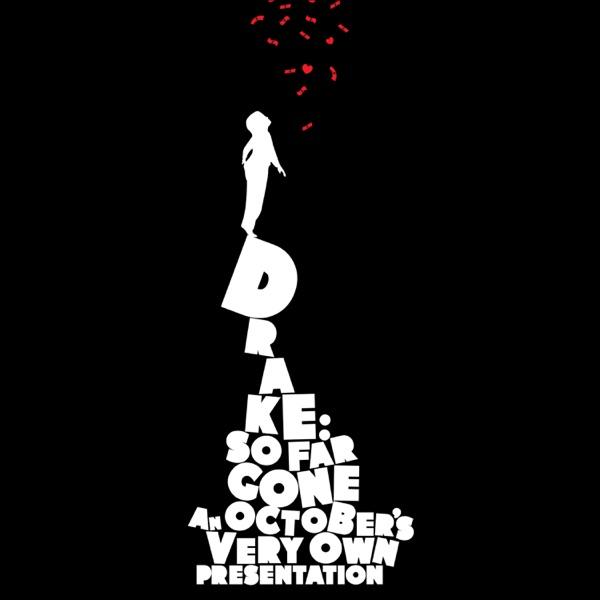
So Far Gone
Released in 2009, So Far Gone functions as a sort of Drake time capsule—an album that showcases the talent, verve, and tunefulness that would soon propel him to superstardom. Though only Drake’s third mixtape. So Far Gone allowed the avant-garde rapper to decisively and cohesively establish his identity as a genre-bending, vulnerable MC, one who would go on to inspire droves of artists—and, in doing so, launch an unprecedented era of hip-hop. The mixtape’s title dates back to a conversation between Drake and co-executive producer Oliver El-Khatib. While acknowledging the lack of respect for women they displayed during an earlier exchange, the pair reflected on getting caught in the mix—in other words, of becoming “so far gone.” The title was part warning, part prophecy—the bold statement of a young rapper foreshadowing his own astronomical ascent. Drake would need that confidence, as he faced plenty of skeptics in his early years. And he did have an unlikely backstory: Here was a half-Jewish Canadian former child actor, born Aubrey Graham, who believed he would become one of the world’s biggest rappers. But on So Far Gone, the striving rapper—working alongside longtime producer and sound architect Noah “40” Shebib—flawlessly displayed the multitude of below-the-surface facets that would propel his career forward. Drake draws on his father’s Houston roots on “Uptown” and the chopped-n-screwed “November 18th,” details his failed relationships on the atmospheric “Sooner Than Later,” and praises a grade A lover on the giddy “Best I Ever Had,” which would earn him multiple Grammy nominations and deliver Drake to the upper reaches of the pop charts. Meanwhile, even lesser-known tracks like “Little Bit” and “Let’s Call It Off” prove Drake’s versatility and undeniable star power. The album’s genius even applies itself to Drake’s marketing tactics, in which he utilized online spaces like Myspace and his own OVO blog to offer So Far Gone</...
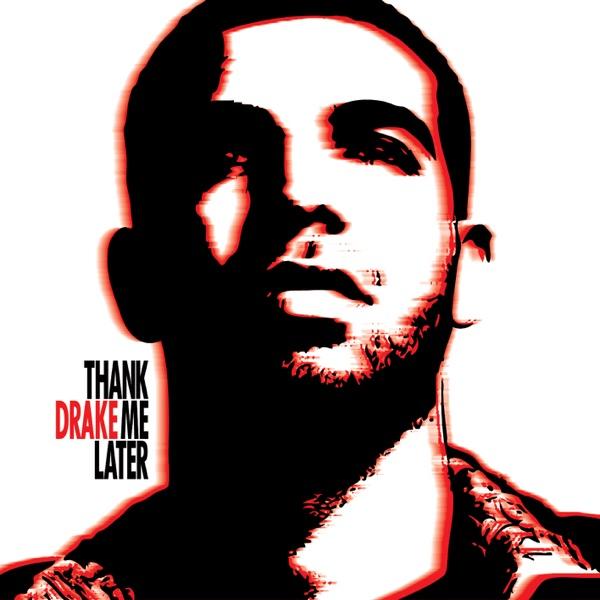
Thank Me Later
After a mixtape propelled Drake from Canadian TV star to bona fide hitmaker, Thank Me Later confirmed his star status. His official studio debut solidifies his moody signature sound while grappling frankly with fame, sex, and self-doubt. Seamlessly fusing hip-hop and R&B, he renders navel-gazing in hi-def clarity: “Karaoke” and “Cece’s Interlude” find the newly minted icon pining for the comfort of old flames and simpler times. But his uncertainty about his newfound fame pales in comparison with the celebratory mood of songs like the triumphant "Over."

I'm Still Fly (feat. Drake) - EP

Take Care (Deluxe Version)
100 Best Albums Drake’s magnum opus Take Care is best compared to a fine wine: From the dark, warm tones of its cover art to the long waiting period between inception and release, everything about the album exudes opulence. And, like a vintage port, the album has aged beautifully, standing as one of the most beloved, most decadent moments of Drake’s illustrious discography. As the title itself suggests, Take Care is a testament to the theory that the best art requires lots of time. After receiving mixed feedback on his studio debut Thank Me Later—an album Drake himself felt was rushed—the rapper made a return to his own sonic roots, enlisting musical savant Noah “40” Shebib to spearhead his second studio album. Shebib and Drake drew on the very “Toronto sound” they’d pioneered—a sound that was situated at the sweet spot between rap and R&B, and that had defined Drake’s acclaimed 2009 mixtape, So Far Gone. The new strategy worked. Released in 2011, Take Care was an instant smash, debuting at the top of the album charts, despite being leaked online ahead of time. The rapper wasn’t shy about acknowledging the discrepancy between Thank Me Later and Take Care: On “Headlines,” one of Take Care’s standout pop moments, he raps: “I had someone tell me I fell off/Ooh, I needed that.” It was this honesty and vulnerability that allowed Drake to rap-sing his way into the hearts of millions of fans worldwide, ushering in a new wave of commercial hip-hop draped in tender emotion. But despite the album’s chart success—and its eventual Grammy win—Take Care is more than just a career-catapulting moment for Drizzy. The album also marked the mainstream arrival of Drake’s fellow hometown hero The Weeknd, who at the time was an underground dark R&B crooner releasing acclaimed mixtapes. Working as both a producer and a performer, The Weeknd would get a major status upgrade with the release of Take Care</...
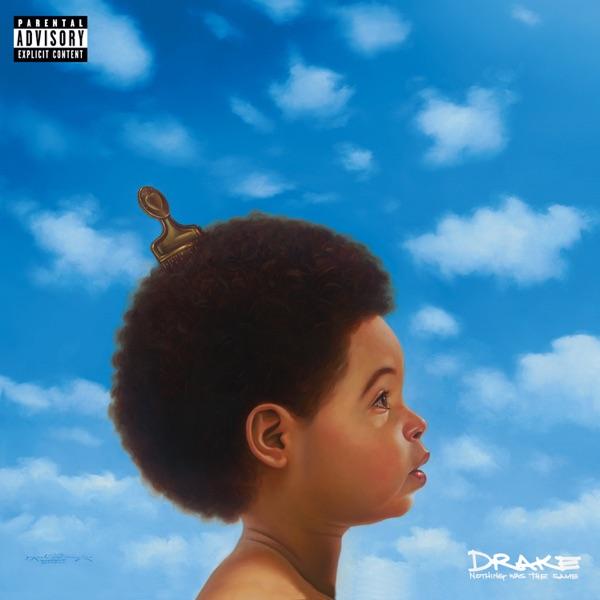
Nothing Was the Same
Nothing Was the Same intensified Drake's sensitivity even as it deepened the ominous undercurrent in his music. These are songs about success and celebration, but more importantly, they address the inescapable fear and danger inherent in any conquest. Working primarily with his longtime collaborator Noah “40” Shebib and a host of invited sonic masterminds, Drake makes songs that say as much through atmosphere as they do with lyrics. Rather than adhere to the conventions of beats and rhymes, his tracks embrace the slippery tension between singing and rapping, between tight rhythms and free-floating passages, between choruses and stream-of-consciousness confessions. Nothing Was the Same is a remarkably unified piece of work, with each song partaking in a singular fusion of sensuality, revelry, and tantalizing darkness.

Nothing Was the Same (Deluxe)
Nothing Was the Same intensified Drake's sensitivity even as it deepened the ominous undercurrent in his music. These are songs about success and celebration, but more importantly, they address the inescapable fear and danger inherent in any conquest. Working primarily with his longtime collaborator Noah “40” Shebib and a host of invited sonic masterminds, Drake makes songs that say as much through atmosphere as they do with lyrics. Rather than adhere to the conventions of beats and rhymes, his tracks embrace the slippery tension between singing and rapping, between tight rhythms and free-floating passages, between choruses and stream-of-consciousness confessions. Nothing Was the Same is a remarkably unified piece of work, with each song partaking in a singular fusion of sensuality, revelry, and tantalizing darkness.

If You're Reading This It's Too Late
Drake surprised everyone at the beginning of 2015 when he dropped If You’re Reading This It’s Too Late, an impressive 17-track release that combines the contemplative and confrontational with plenty of cavernous production from longtime collaborator Noah “40” Shebib. While Drizzy joins mentor Lil Wayne in questioning the loyalty of old friends on the woozy, Wondagurl-produced “Used To,” “Energy” is the cold-blooded highlight—on which he snarls, “I got enemies.” Later, amid the electrifying barbs of “6PM in New York,” Drake considers his own mortality and legacy: “28 at midnight. I wonder what’s next for me.”

What a Time To Be Alive
What a Time to Be Alive captures Drake and Future at the height of their powers. Recorded in six days, their interplay is respectful as it is complementary, matching Drake’s inward-facing narratives with Future’s personal demon-slaying. Club anthems like “Jumpman,” “Digital Dash,” and “Diamonds Dancing” fulfill the rap nerd fantasy of two superheroes trading lyrical blows in the octagon.
![Work (feat. Drake) [Remixes]](/_next/image?url=https%3A%2F%2Fapi.igotalist.com%2Fstorage%2Fv1%2Fobject%2Fpublic%2Flist-thumbnails%2Fdrake%2Fwork-feat-drake-remixes.jpg&w=640&q=75)
Work (feat. Drake) [Remixes]
Views
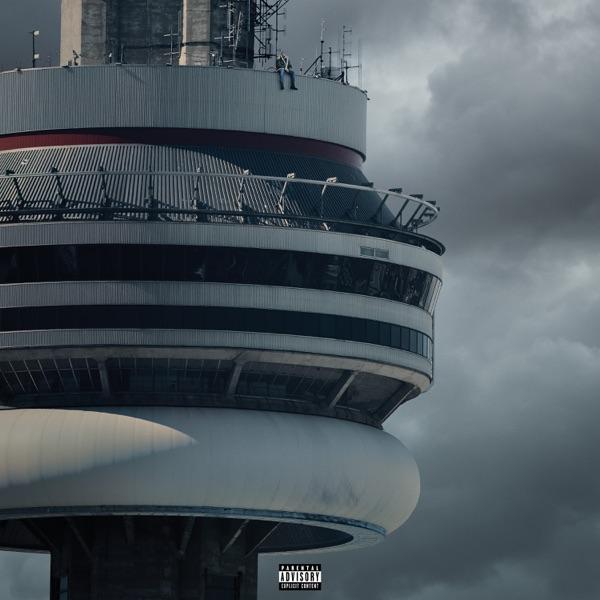
On the cover of his fourth studio album Views, Drake looks down from atop Toronto’s CN Tower, paying homage to the city’s notoriously frigid winter temperatures in a heavyweight shearling coat and high-cut boots. He looks less like the superhero he’d made himself into over the course of a roughly six-year rise as singer-songwriter extraordinaire and more like a troubled monarch. Views, which followed two wildly successful projects in 2015 that he’d branded as mixtapes—If You’re Reading This It’s Too Late and the Future collab What a Time to Be Alive—would confirm him as both, his penchant for immaculate songwriting still fully intact and the pressures of existing as the most popular voice in rap, as well as his hometown’s most successful export, weighing heavy on his mind. “I made a decision last night that I would die for it,” Drake raps on “9.” “Just to show the city what it takes to be alive for it.” Drake’s presence eclipsed Toronto just about as soon as So Far Gone dropped, but the city—and what it thinks of him—was never far from his mind. There are references here to specific people (“Redemption”), places (“Weston Road Flows”), and experiences (“Views”), along with nods to the influence of the city’s Caribbean population on “With You,” “Controlla,” and “Too Good” (which just happens to feature Rihanna). He isn’t too much for the world, though, ruminating on his position as one of music’s biggest names—and those who’d rather he wasn’t—on songs like “Still Here,” “Hype,” and “Grammys.” Maybe the the most affecting acknowledgment to this end is the fact that “Hotline Bling,” a strong contender for 2015 song of the summer, was such an afterthought by the time Views was released that it appears here as a bonus track. For all intents and purposes, the Drake of Views is the same one we got on If You’re Reading This and What a Time, but if his previous proper album (Nothing Was the Same) foret...
More Life
Scorpion
I HATE WHEN DRAKE RAPSDRAKE SINGS TOO MUCHDRAKE IS A POP ARTISTDRAKE DOESN’T EVEN WRITE HIS OWN SONGSDRAKE TOOK AN LDRAKE DIDN’T START FROM THE BOTTOMDRAKE IS FINISHEDI LIKE DRAKE'S OLDER STUFFDRAKE MAKES MUSIC FOR GIRLSDRAKE THINKS HE’S JAMAICANDRAKE IS AN ACTORDRAKE CHANGEDANYBODY ELSE > DRAKE …YEAH YEAH WE KNOW
Care Package
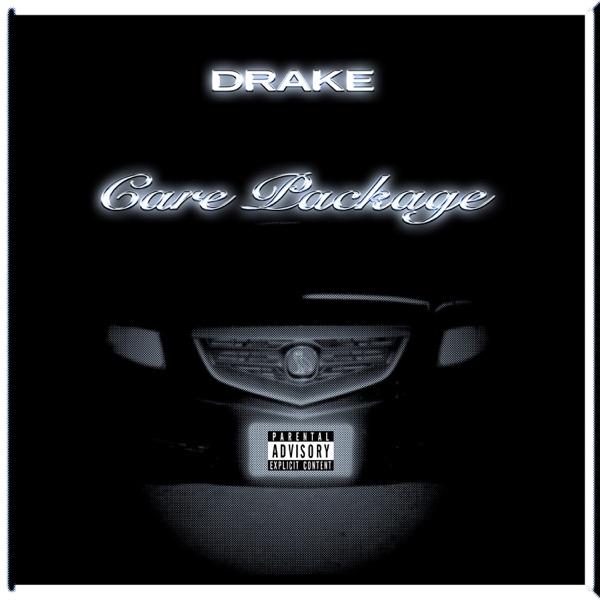
An amalgamation of fan-favorite loosies from 2010 through 2016, Drake’s 2019 compilation album, Care Package, serves as an introspective time capsule for new and enduring listeners alike. For those who remember Drake’s early days, the album unearths a series of near-decade-old cuts, including “I Get Lonely” and “Dreams Money Can Buy.” For newer fans, the tracklist serves as a peek into Drake’s sonic and personal past—of a period when he was still just Aubrey Graham, a striving young musician who was about to single-handedly reshape the rap genre. “I got car money, fresh-start money/I want Saudi money, I want art money,” Drake raps on “Dreams Money Can Buy,” reminding fans of a foregone time when the iconic entertainer wasn’t yet a household name. The track embodies the quintessential dark and moody late-night soundtrack that defined Drake’s sound, shaped by the rapper himself, as well as a team of early producers, including Noah “40” Shebib. Arriving one year following his pop- and rap-heavy Scorpion, the re-release of Care Package’s 17 tracks was a fan-driven reminder of the “old Drake” who captured a generation of listeners, and came up with his own definition of what it meant to be a rap superstar.
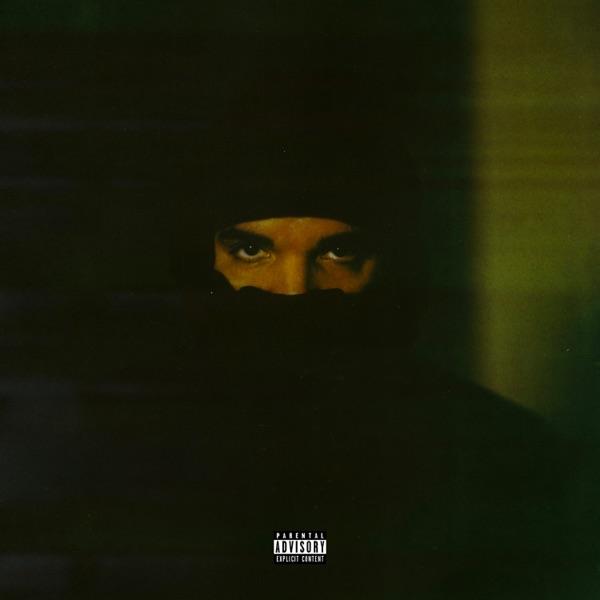
Dark Lane Demo Tapes
When Drake released the dance-routine-ready “Toosie Slide” roughly a month ahead of his Dark Lane Demo Tapes, fans were near incredulous that he’d discovered yet another musical frontier in which to stake his claim. (Those who weren’t busy choreographing TikTok videos to the song, anyway.) With the release of Dark Lane Demo Tapes, Drake delivers a handful of additional forays into the sound of right now. The project, per Drake’s own Instagram, features music compiled by OVO cohorts Oliver El-Khatib and Noel Cadastre, and comprises “some leaks and some joints from SoundCloud and some new vibes.” Found within are Drake-helmed masterpieces of post-regional drill music (“Demons,” “War”), linkups with Future (“Desires”) and Chris Brown (“Not You Too”), and a Pi’erre Bourne-produced Playboi Carti collaboration (“Pain 1993”), as well as the kind of hazy, regret-steeped R&B that so many contemporary playlists are built on (“Time Flies”). In its approach to these familiar vibes, this particular collection of music is the most of-the-moment Drake has ever sounded—more present than his usual prescient.
Certified Lover Boy
A combination of toxic masculinity and acceptance of truth which is inevitably heartbreaking. Executive produced by me, Noah “40” Shebib, Oliver El-Khatib, and Noel Cadastre. Dedicated to Nadia Ntuli and Mercedes Morr. RIP 💖 —Drake
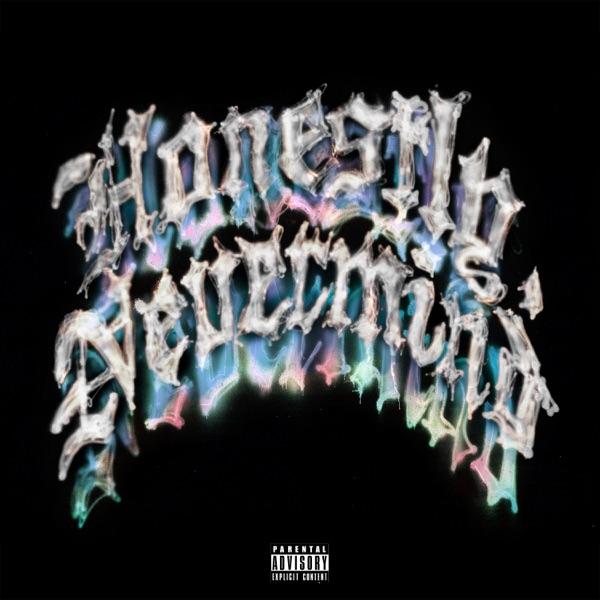
Honestly, Nevermind
I let my humbleness turn to numbness at times letting time go by knowing I got the endurance to catch it another time I work with every breath in my body cause it’s the work not air that makes me feel alive That’s some real detrimental shit but that’s that shit my perfectionist mind doesn’t really mind because no one knows whats on my mind when I go to sleep at 9 & wake up at 5 - unless I say it in rhyme I can’t remember the last time someone put they phone down, looked me in the eyes and asked my current insight on the times But I remember every single time someone shined a light in my eyes I purposely try to forget what went on between some ppl and I because I know I’m not a forgiving guy even when I try My urge for revenge wins the game against my good guy inside every single fckn time I got plans I can’t talk about with more than like 4 guys because the last time I shared em with someone on the outside…well that’s another story for another night I was tryna get thru that statement to get to saying I’m not @ a time in my life where pats on the shoulder help get me by I’ll take loyalty over an oh my & emoji fire I know if it was a dark night where all the odds were against my side & my skill went to whoever took my life they’d done me off with a big smile & maybe evn post it for some likes I know everyone that tells me they love me doesn’t love me all the time especially when im doing better than alright & they have to watch it from whatever point they at in their life I got here being realistic I didn’t get here being blind I know whats what and especially what and who is by my side Honestly…Nevermind. DEDICATED TO OUR BROTHER V —Drake
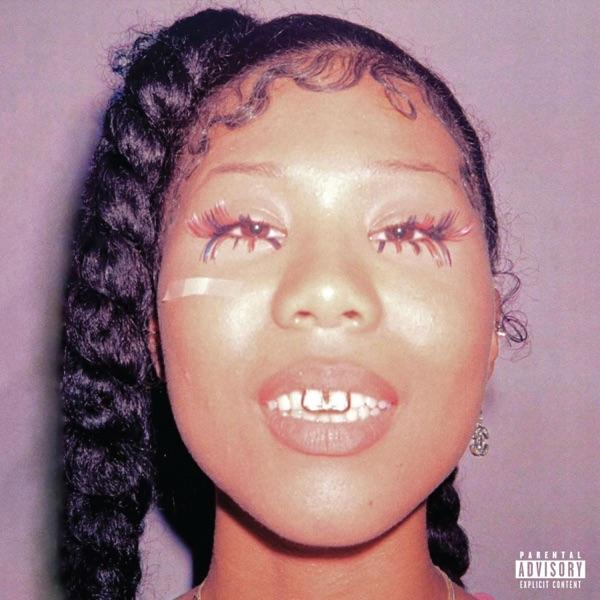
Her Loss
Drake and 21 Savage’s Her Loss is the culmination of a relationship that dates at least as far back as 2016, when the pair linked up for “Sneakin’.” Back then, 21 was a burgeoning Atlanta rapper with a lot of promise (and an association with producer of the moment Metro Boomin), while Drake was arguably the most impactful singer and MC in the world and the guy whose co-sign could be counted on to usher bubbling talents into proper rap stardom. Some eight years and three additional collaborations later, 21 Savage is most assuredly a bona fide rap star and Drake is still arguably the most impactful singer and MC in the world, but the 16 tracks that make up Her Loss reveal the pairing as somehow larger than the sum of its parts. It was likely Honestly, Nevermind standout “Jimmy Cooks” that inspired, or at the very least prioritized, Her Loss. The song was a stylistic outlier from that album’s house and techno-adjacent dance music thread, allowing Drake and Savage the chance to do what they’ve always enjoyed doing together: rail against entitled love interests, revel in the lifestyle they’ve earned, and, for 21 Savage specifically, remind listeners that his guns still do go off. Her Loss is much of the same, with the pair leaning into a shared disdain for less-accomplished artists (“On BS,” “Privileged Rappers,” “Broke Boys”), sharing their views on contemporary courtship (“Spin Bout U,” “Hours in Silence”), detailing what life as a superstar rapper entails (“Circo Loco,” “Pussy & Millions”), and, in one instance, rapping about how much they appreciate one another (“Treacherous Twins”). The love they profess for one another might at first play as eyebrow-raising, but to question it would be to willfully ignore the notion that laying down raps, like nearly anything else, is just that much more fun with your bestie in tow.
For All The Dogs
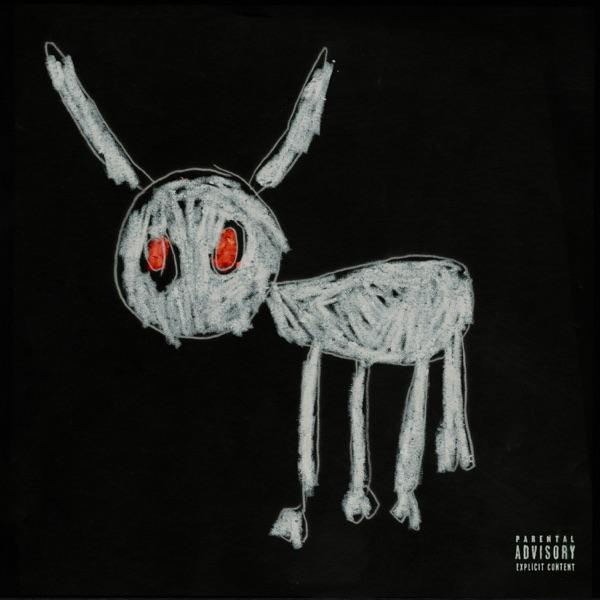
Just because I been on a run doesn't mean I don't know how to walk away I'll let you get your bars off over text but don't forget you're talking to Drake Personality Morality Immeasurable salary 100 dollar bills that I'm counting like a calorie Shells for the peanut gallery Probably better off with Mallory or Valerie You tearing up and sniffling while reacting like some allergies Saying what I mean isn't mean if you're really listening - it's reality — Drake In the dog days of summer 2023, Drake did a very Drake thing: Just before embarking on tour, he revealed that he’d written a poetry book called Titles Ruin Everything. To spread the news, he took out ads in several major newspapers. On them was a QR code which led to another announcement: “I made an album to go with the book. They say they miss the old Drake girl don’t tempt me. FOR ALL THE DOGS.” The “old Drake” line, as real heads know, is a reference to “Headlines,” a song from the early days of Champagne Papi’s rise from Canadian curiosity to global superstar. The old Drake was an underdog, a former child actor and Lil Wayne protégé who blended hip-hop and R&B in a way that would indelibly change both. And the new Drake? He’s a 36-year-old father of one who’s responsible for a not-small percentage of Toronto’s annual tourist economy and who, with the release of “Slime You Out,” is one No. 1 single away from tying Michael Jackson on the all-time list. If there’s anything Old Drake and New Drake can agree on, it’s hour-and-a-half-long blockbuster albums that master the fine art of score-settling. (Speaking of fine art, that’s a drawing from his five-year-old son Adonis on the cover.) Drizzy’s gone through plenty of phases in his 15 years in the running as one of hip-hop’s GOATs: albums full of wintry grime and drill, or breezy dance albums for the baddies to turn up to on girls’ night. For All the Dogs, his eighth studio album, has more in common with 2011’s Take Care<...

For All The Dogs Scary Hours Edition
“These ideologies are haunting.” —Drake In the dog days of summer 2023, Drake did a very Drake thing: Just before embarking on tour, he revealed that he’d written a poetry book called Titles Ruin Everything. To spread the news, he took out ads in several major newspapers. On them was a QR code which led to another announcement: “I made an album to go with the book. They say they miss the old Drake girl don’t tempt me. FOR ALL THE DOGS.” The “old Drake” line, as real heads know, is a reference to “Headlines,” a song from the early days of Champagne Papi’s rise from Canadian curiosity to global superstar. The old Drake was an underdog, a former child actor and Lil Wayne protégé who blended hip-hop and R&B in a way that would indelibly change both. And the new Drake? He’s a 36-year-old father of one who’s responsible for a not-small percentage of Toronto’s annual tourist economy and who, with the release of “Slime You Out,” is one No. 1 single away from tying Michael Jackson on the all-time list. (By the time his Scary Hours version dropped six weeks later, he’d tied it.) If there’s anything Old Drake and New Drake can agree on, it’s hour-and-a-half-long blockbuster albums that master the fine art of score-settling. Drizzy’s gone through plenty of phases in his 15 years in the running as one of hip-hop’s GOATs: albums full of wintry grime and drill, or breezy dance albums for the baddies to turn up to on girls’ night. For All the Dogs, his eighth studio album, has more in common with 2011’s Take Care, the star-making opus loaded with luxuriant beats and big-name features. But instead of drunk-dialing his exes, Drake’s…well, he’s still doing that every now and again. Mostly, though, he’s with his dogs. The album’s loose framework is a late-night local radio program: BARK Radio, live from Chapel Hill, whose hosts include Teezo Touchdown, Drake’s crush/idol Sade, and the occasional chorus of hounds. This particular broadcast is a sumptuo...

For All The Dogs Scary Hours Edition (Instrumental) - EP
$ome $exy $ongs 4 U
A note from the artists: $$$4U 74 PERSONAL MINUTES BY PARTYNEXTDOOR & DRAKE FOR THE CITY OF TORONTO FOR CANADA AND FOR THE WORLD THAT HAS TUNED IN TO THIS SOUND OF OURS FROM TIME OVO OMO FERINA “Maybe it was karma that caused a reversal in my luck and family fortunes” — You most likely in the near future