Artist
Bad Bunny
Albums
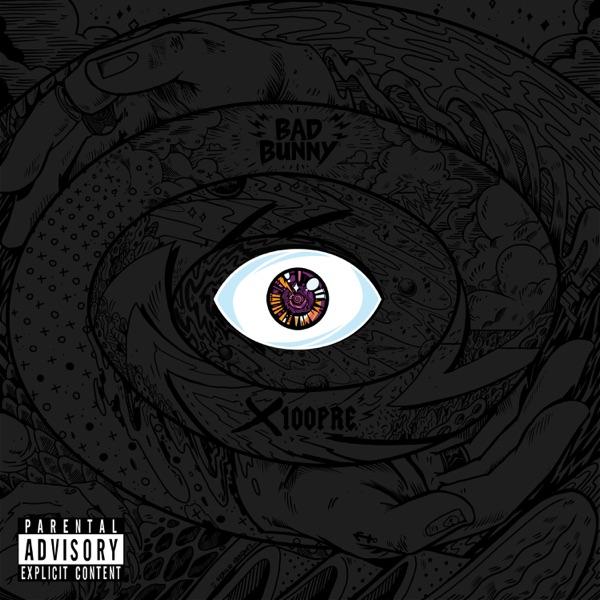
X 100PRE
“I have always wanted to release an album, but I never had the opportunity,” Bad Bunny tells Apple Music of his long-awaited debut LP. “Now I feel completely free as an artist and as a person. I feel good about showing people something different.” It’s hard to imagine that in a little under three years, Benito Martínez Ocasio went from working in a grocery store to amassing a fervent worldwide following on the back of massive singles and high-profile guest features. On Noche Buena 2018, Bad Bunny finally delivered his much-anticipated full-length debut, X 100PRE—an engulfing breakup album that doesn’t merely justify the long wait, but also redefines música urbana. X 100PRE has everything you’d expect from the reigning king of Latin trap. The songs seamlessly flow into one another and cross genres freely, creating a narrative fueled by trap, reggaetón, dream-pop, pop-punk/emo, and Dominican dembow. The album opens with “NI BIEN NI MAL,” in which he promises that no matter how tempted he may be, he won’t cave in and call an ex (“Pase lo que pase no te voy a llamar”). His declaration that without his former lover, he’s neither happy nor sad, speaks to a place many have been after a pivotal relationship: stuck in the middle, waiting for closure. “Solo de Mí” goes from emo-perreo to trap-reggaetón heater, and in it Bad Bunny reaffirms his agency as an individual after accepting the dissolution of his relationship. It’s one of the strongest tracks on the album and was recorded just a couple of weeks before its release. “I was going into the studio in Miami to listen to all of the songs and see what was missing,” he says. “I went to take a shower and started singing, ‘No me vuelvas…’ I kept going: ‘No soy tuyo...solo de mí.’ I rushed out of the shower and didn’t even dry myself off. I just laid down some tones with my voice and said, ‘Give me a click track so I can record in time,’ and I recorded the chorus. Everything happened really fast.”<br...
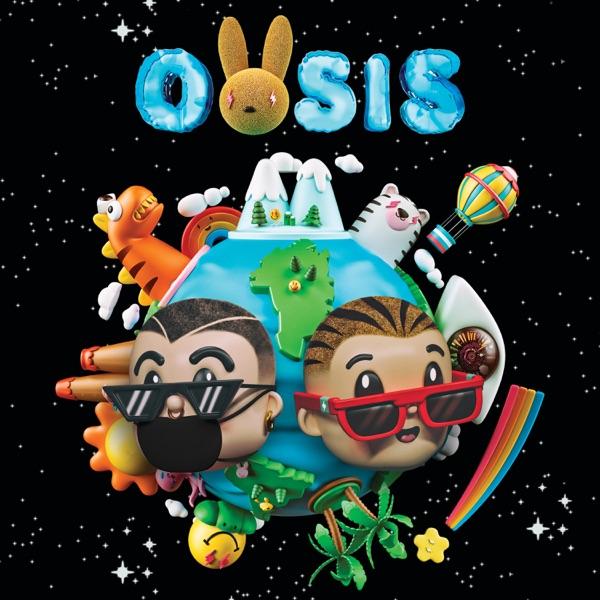
OASIS
As if being two of the biggest and busiest artists working today wasn’t enough to make an album-length team-up between J Balvin and Bad Bunny a tricky project to pull off, there’s also the difference in the stars’ lifestyles. “I wake up at five in the morning,” Balvin tells Apple Music’s Zane Lowe, “and he goes to sleep at five in the morning. I’m ready to go to the gym and he’s ready to go to bed.” They are the odd couple of urban Latin music: Balvin, an experienced Colombian reggaetón singer who spent the last decade honoring and advancing the genre’s legacy; and Bunny, the flamboyant punk upstart who quickly made his name as one of the more unique acts in the trap en español scene. First teased on Ebro Darden’s Beats 1 show in 2018, the surprise joint album builds on the breakthrough moment of their contributions to Cardi B’s megahit “I Like It,” pushed along by a healthy dose of mutual admiration. “It was like, ‘We have to do something,’” Bad Bunny says of the urgency in the wake of the chart-topping bilingual smash. “A project hasn’t been done in the Latin market from two huge artists with two different styles.” Their parallel lives in the tight-knit urbano scene initially brought them together, and while some of this material dates back to before they blew up, most of the album was completed before they both performed at Coachella in April 2019. As Balvin and Bunny originate from some of the most vibrant locales for Spanish-language music today—and with both representing their homelands proudly in their work—their union here on OASIS shines a brighter and deserving light on the flourishing urban Latin sound. The natural chemistry the pair shared on “I Like It” and 2017’s one-off single “Si Tu Novio Te Deja Sola” proves even more potent over the course of these eight new tracks. On “QUE PRETENDES,” Balvin slinks around the taut reggaetón groove as Bunny’s sung bars, by contrast, bounce against its structure. For the retro-nodding “MOJAITA,...

Up Next (Live From Apple Piazza Liberty)
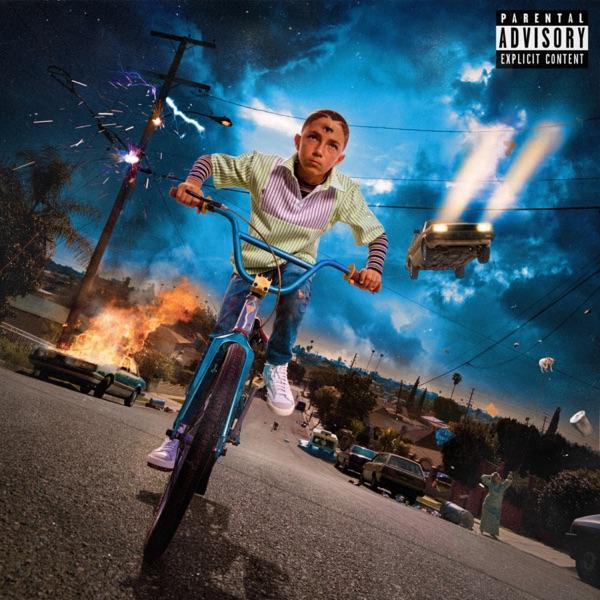
YHLQMDLG
“I’m honored that people have accepted these songs, that my fans enjoy and that have such feeling in them,” Bad Bunny tells Apple Music about the success of “Ignorantes” and “Vete,” the two hit singles that preceded the surprise Leap Day release of YHLQMDLG. The album’s title is an acronym for “Yo Hago Lo Que Me Da La Gana,” or “I Do What I Want,” and Benito Antonio Martínez Ocasio spends his highly anticipated follow-up to 2018’s X 100PRE living up to that promise, luxuriating in the sonic possibilities, presenting exemplary versions of Latin trap and reggaetón while expanding the genres in new directions with elements of rock and global pop. While X 100PRE featured a relatively small number of credited vocal guests, the follow-up embraces música urbana’s love of collaboration, pairing El Conejo Malo with an impressive array of features. Reaching back towards reggaetón’s 1990s roots, he taps veteran Yaviah for the hypnotic “Bichiyal” and the inimitable Daddy Yankee for “La Santa,” while linking up elsewhere with contemporary Latin R&B wave runners like Mora and Sech. Bad Bunny talked with Apple Music about a few of his favorites off the album and some of the people who helped make YHLQMDLG a reality. Si Veo a Tu Mamá “All of my songs come from my experience or are based on a real-life experience of mine. Everyone falls in love in life. Everyone has relationships. Everyone has had someone. There’s something so natural in writing about love, because we all feel love every day and share love.” La Difícil “What I like most about collaborating with [producer duo] Subelo NEO is how talented they are. They are such humble people who know how to work as a team. They understand the good vibes that I’ve built my fame on, because we shared them at the beginning of my career. I like what they do.” La Santa “This was a very special track for me. Working with Daddy Yankee is always an honor and a pleasur...

LAS QUE NO IBAN A SALIR
When a self-quarantined Bad Bunny took to Instagram on May 2, 2020, for an impromptu three-hour livestream, he captured the attention of over 300,000 similarly cooped-up fans starving for entertainment. In between the highly relatable twerking and drinking, the Latin music superstar shared a handful of previously unreleased song snippets. As he sang along excitedly, listeners worldwide wondered just how much material he had been sitting on. Now, not even three months after his Leap Day surprise YHLQMDLG arrived, he returns with another unannounced drop that leaves that vault at least a little bit emptier: LAS QUE NO IBAN A SALIR, which translates to The Ones That Weren’t Going to Come Out. From the Yeezus-reminiscent cover art to the demo-style song titles, El Conejo Malo’s 10-song Mother’s Day gift keeps the same loose, shaggy energy of his ad hoc live hangout—unmixed, unmastered, a candid glimpse into how he works. Meticulous types will recognize some of these tracks from that memorable night at home, particularly the album’s booming opener “SI ELLA SALE” and the earnest trap standout “BENDICIONES.” For everyone else, the self-produced project sounds like an intimate, even illicit listening experience—coveted access to the hard drive of one of the most important artists of our time. As if simply getting to hear 10 previously unknown Bad Bunny songs wasn’t enough, he’s brought a few friends along. The almighty Zion & Lennox come through for “MÁS DE UNA CITA,” while reggaetón royalty Don Omar blesses the young king in the best way possible on the thumping “PA’ ROMPERLA.” Continuing in the vein of YHLQMDLG’s uninhibited and frenetic “Safaera,” the perreo throwback “BAD CON NICKY” finds Bad Bunny tearing the club up with the titular Señor Jam in tow.

EL ÚLTIMO TOUR DEL MUNDO
“For a moment, it seemed like it was the end of the world,” Bad Bunny tells Apple Music about the inspiration behind his new album. Conceived during the 2020 quarantine, EL ÚLTIMO TOUR DEL MUNDO is hardly the swan song its grandiose title suggests. Instead, this visionary record from El Conejo Malo draws upon lockdown fantasies about what an album of his from the future might sound like. In true dystopian fashion, he imagined what his last concert tour would look like, or rather what the last shows ever in the world would look like. “It’s as if I spent my final tour of 2032 advancing the word from 2020.” With any lingering retirement concerns quashed, EL ÚLTIMO TOUR DEL MUNDO instead invites listeners deep into the creative genius mind of Bad Bunny. Even before he dropped 2018’s eclectic X 100PRE by surprise, there were plenty of clues in his slew of singles that alluded to his diverse influences, musical or otherwise. Arriving mere months after YHLQMDLG, a tear-stained love letter to reggaetón past and present, this album pushes beyond genre and presents an opportunity to rethink everything we thought we knew about Bad Bunny. “I already had intended to come with something very different, because that’s what I am passionate about,” he says. “It’s about taking risks and fulfilling my wishes and dreams.” While the previously released hit single “Dakiti” hinted at what was to come, EL ÚLTIMO TOUR DEL MUNDO broadens the extent of his Latin trap dominion on cuts like “EL MUNDO ES MÍO” and “HOY COBRÉ.” He unleashes his rock and indie passions on the alt anthem “YO VISTO ASÍ” and the nostalgic New Wave revival “MALDITA POBREZA.” On “BOOKER T,” he spits with the edge of his earliest singles over a serpentine groove, while he bares his sensitive side on the balladic “TRELLAS.” Unlike on the guest-centric YHLQMDLG, Bad Bunny limits the vocal artists included here, a decision that makes the handful of features feel...
Un Verano Sin Ti
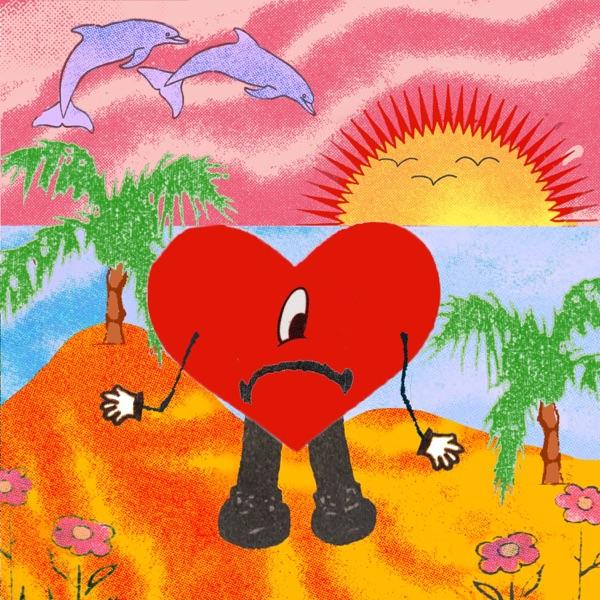
100 Best Albums “I like to prepare myself and prepare the surroundings to work my music,” Bad Bunny tells Apple Music about his process. “But when I get a good idea that I want to work on in the future, I hold it until that moment.” After he blessed his fans with three projects in 2020, including the forward-thinking fusion effort EL ÚLTIMO TOUR DEL MUNDO, one could forgive the Latin superstar for taking some time to plan his next moves, musically or otherwise. Somewhere between living out his kayfabe dreams in the WWE and launching his acting career opposite the likes of Brad Pitt, El Conejo Malo found himself on the beach, sipping Moscow Mules and working on his most diverse full-length yet. And though its title and the cover’s emoting heart mascot might suggest a shift into sad-boy mode, Un Verano Sin Ti instead reveals a different conceptual aim as his ultimate summer playlist. “It's a good vibe,” he says. “I think it's the happiest album of my career.” Recorded in Puerto Rico and the Dominican Republic, the album features several cuts in the same elevated reggaetón mode that largely defined YHLQMDLG. “Efecto” and “Un Ratito” present ideal perreo opportunities, as does the soon-to-be-ubiquitous Rauw Alejandro team-up “Party.” Yet, true to its sunny origins, Un Verano Sin Ti departs from this style for unexpected diversions into other Latin sounds, including the bossa nova blend “Yo No Soy Celoso” and the dembow hybrid “Tití Me Preguntó.” He embraces his Santo Domingo surroundings with “Después De La Playa,” an energizing mambo surprise. “We had a whole band of amazing musicians,” he says about making the track with performers who'd typically play on the streets. “It's part of my culture. It's part of the Caribbean culture.” With further collaborations from familiars Chencho Corleone and Jhayco, as well as unanticipated picks Bomba Estéreo and The Marías, Un Verano Sin Ti embodies a wide range of Latin American talent...

nadie sabe lo que va a pasar mañana
One of the first things Bad Bunny fans will notice about nadie sabe lo que va a pasar mañana is its conspicuous lack of reggaetón. Following the vibey highs of the preceding Un Verano Sin Ti, which included some of the biggest songs he’s ever done within the genre, some might have anticipated more in the vein of “Me Porto Bonito” or “Moscow Mule.” Yet limiting his reggaetón exposure to a mere two tracks here, “PERRO NEGRO” and the closing “UN PREVIEW,” marks one of many deliberate decisions made by the Puerto Rican superstar on his fifth proper album. If fans haven’t quite figured it out just yet, El Conejo Malo does whatever he wants. (This is, after all, the same artist who named his 2020 album Yo Hago Lo Que Me Da La Gana.) He speaks rather directly to his unwillingness to compromise or change for anyone else on “NO ME QUIERO CASAR,” which compounds its throwback nods so adroitly that one might miss the subtle Yandel sample near the end. More often than not, nadie sabe lo que va a pasar mañana finds him getting things off his chest, beginning with the unapologetically direct opener “NADIE SABE.” Those who’ve been with Bad Bunny since the days of “Soy Peor” and “Chambea” will welcome this overt return to his bold trapero roots, something that echoes through “MONACO,” “VOU 787,” and the especially cutting “GRACIAS POR NADA.” Yet there’s more to nadie sabe lo que va a pasar mañana than some rapper rebound. Far from the beach-based pop that peppered Un Verano Sin Ti, here he embraces more nocturnal styles on the thumping tech-house cut “HIBIKI” and the frenetic Jersey club variant “WHERE SHE GOES.” He even ventures into the Latin drill fray for “THUNDER Y LIGHTNING,” with lyrics that demand a rewind, before indulging in some Voltio y Notch nostalgia with the triumphant “ACHO PR.” Both of those songs, and several others, include some rather stellar vocal guests, but Bad Bunny would rather his listeners experience those f...
DeBÍ TiRAR MáS FOToS
Scores of Puerto Rican artists have used their music to express love and pride in their island, but few do so with the same purposeful vigor as Bad Bunny. The superstar from Vega Baja is responsible for numerous songs that center his homeland, from unofficial national anthems like “Estamos Bien” and “El Apagón” to powerful posse cuts like “ACHO PR” with veteran reggaetón luminaries Arcángel, De La Ghetto, and Ñengo Flow. More recently, he’s been decidedly direct about his passions and concerns, expressed in vivid detail on 2024’s standalone single “Una Velita.” Positioned as his sixth proper studio album, DeBÍ TiRAR MáS FOToS centers Puerto Rico in his work more so than before, celebrating various musical styles within its legacy. While 2023’s nadie sabe lo que va a pasar mañana validated his trapero past with a more modern take on the sound he emerged with in the 2010s, this follow-up largely diverges from hip-hop, demonstrating his apparent aversion to repeating himself from album to album. Instead, house music morphs into plena on “EL CLúB,” the latter genre resurfacing later in splendorous fashion on “CAFé CON RON” with Los Pleneros de la Cresta. Befitting its title, “VOY A LLeVARTE PA PR” is set to a sleek reggaetón rhythm for prime-time perreo vibes, as is also the case for “KETU TeCRÉ” and the relatively more rugged “EoO.” A bold salsa statement, “BAILE INoLVIDABLE” pays apparent homage to some seminal Fania releases by Willie Colón and Héctor Lavoe, with traces of the instrumental interplay of “Juanito Alimaña” and an irresistible coda reminiscent to that of “Periódico de Ayer.” Regardless of style, the political and the personal thematically blur throughout the album, a new year’s gloom hanging over “PIToRRO DE COCO” and a metaphorical wound left open after the poignant “TURISTA.” As before, Bad Bunny remains an excellent and inventive collaborator, linking here primarily with other Puerto Ricans as more than a mere symbolic gesture. Soc...