Artist
2Pac
Albums
2Pacalypse Now
Strictly 4 My N.I.G.G.A.Z.

Strictly 4 My N.I.G.G.A.Z... (Expanded Edition)
Thug Life, Vol. 1
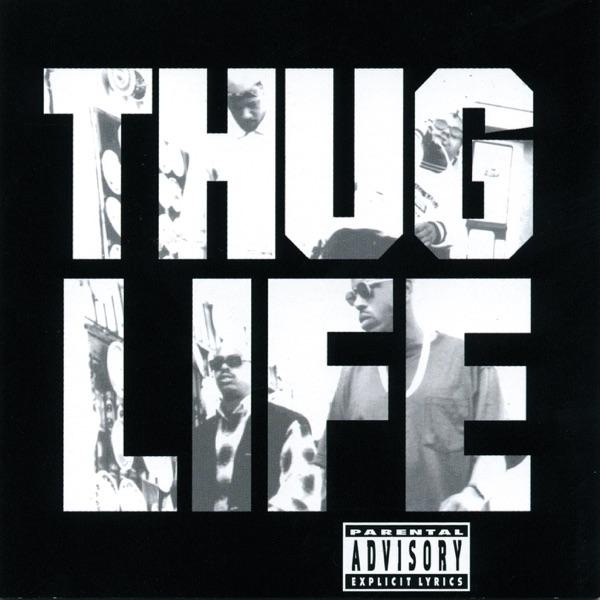
Perhaps the most underappreciated album of 2Pac's lifetime is an important transitional document—the pivot point in one of hip-hop's most storied creative evolutions. Released in September 1994, weeks before he survived a shooting at a Times Square studio, Thug Life: Vol. 1 serves as the doorway between 2Pac the Molotov-tossing political firebrand of 1993's Strictly 4 My N.I.G.G.A.Z. and 2Pac the introspective, confessional poet of 1995's Me Against the World. His darker and more nihilistic moods begin here, as well as his more immediate, less flashy rhyme style. Thug Life, the group, was a supergroup of sorts: 2Pac, his stepbrother Mopreme (who had been on a Top 10 single for Tony! Toni! Toné!), future Outlawz member Big Syke, Macadoshis, Rated R, and plenty of assistance from Stretch of the Tommy Boy-signed New York duo Live Squad, who was murdered a year later. However, the Thug Life MCs all seemed to share one bleak vision, spinning emotion-rich tales of rough upbringings and the horrors of ghetto life. The group produced most of the album themselves, loading it with warm samples of cruise-ready tunes by The O'Jays, Parliament, and Curtis Mayfield. But the album's most expressively raw track, "How Long Will They Mourn Me?", is a masterful piece of poignant G-funk built by 1994's breakout producer/singer duo Warren G and Nate Dogg. Throughout, Thug Life: Vol. 1 is a desperate and unflinching look at street life, from the paper chase ("Bury Me a G") to the friends they lost to the system ("Pour Out a Little Liquor") to the mental toll of prison ("Under Pressure") to creative ways to say they aren't to be messed with ("S**t Don't Stop").
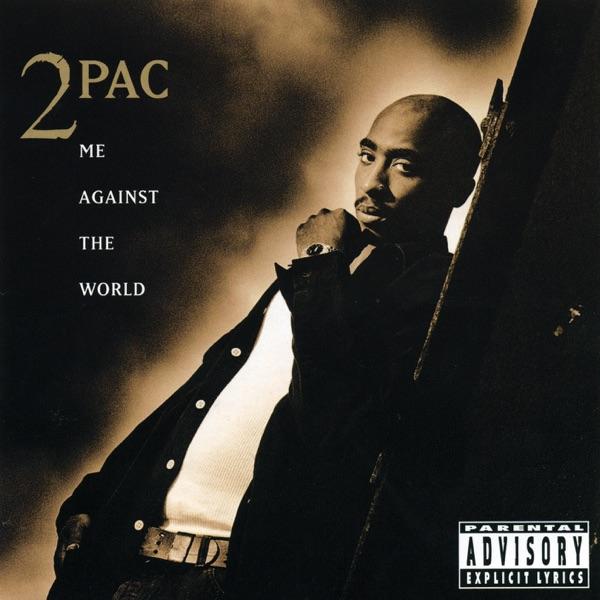
Me Against the World
On his third album, the stressed-out West Coast poet turned a critical eye from his bleak surroundings to his own conflicted psyche. Me Against the World marks 2Pac’s official shift from gangsta to philosopher, sacrificing none of the rebellion. He imparts bittersweet brotherly advice over glossy G-funk (“Young N****z”), spits sincere thug love ballads (“Temptations”), and dodges haunting premonitions of his own death on the bluesy “So Many Tears.” And then there’s “Dear Mama,” the best rap song about moms ever made.
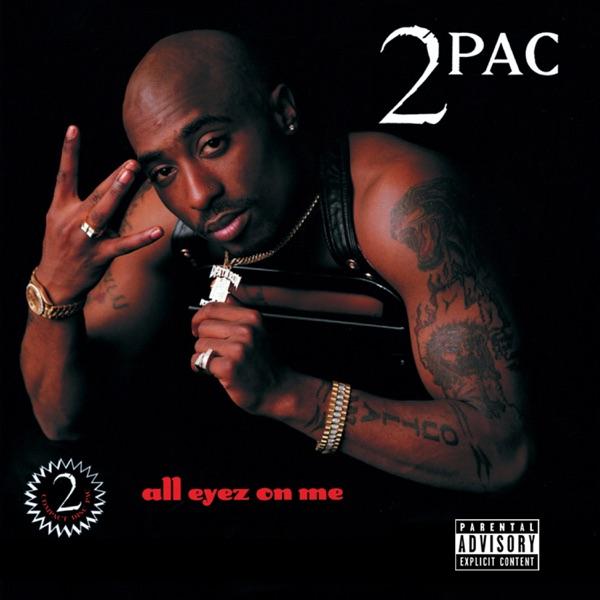
All Eyez On Me
100 Best Albums The final album released during 2Pac’s lifetime was also his most successful—two discs and more than two hours of the rapper, actor, activist, and poet at the absolute peak of his popularity. Released in February 1996, All Eyez on Me is his only Diamond-certified collection and features his only No. 1 single—the libidinous “How Do You Want It” backed with the giddy “California Love” (here in remixed form). In a recording career that lasted less than five years, hip-hop's most complex figure showed us many sides—the political firebrand of 1993’s Strictly 4 My N.I.G.G.A.Z., the introspective diarist of 1995’s Me Against the World, and the temperamental hothead of his Makaveli project, released shortly after his death in September of ’96. However, most of the 27 tracks on All Eyez on Me showcase 2Pac as a gangsta-rap tough guy, an Alizé-sipping lothario, a Benz-pushing big shot, and a California party-starter. In short, one of the reigning kings of ’90s G-funk on one of the genre’s most defining releases. But a harder exterior emerged after a series of personal struggles: his being shot in 1994, financial troubles, serving eight months in prison, and signing with West Coast rap powerhouse Death Row Records. Though All Eyez on Me has the sound of an upbeat party album, it also has the vicious rhymes of the most hardcore gangsta-rap release, with 2Pac setting his sights on jealous men, backstabbing friends, groupies, gold diggers, the police, and the media. The lush hooks of ’80s funk and R&B are given new thump by producers like Johnny “J,” DJ Quik, Daz Dillinger, the era-defining Dr. Dre—and Pac himself. 2Pac’s boasts range from the straightforward to the technical (“So mandatory my elevation, my lyrics like orientation/So you could be more familiar with the n***a you facin’/We must be patient, nothin’ better than communication/Known to damage and highly flammable, like gas stations”). And he’s ...

R U Still Down? (Remember Me)
Afeni Shakur oversaw the first posthumous collection of her son’s unreleased music a year after his death. Drawing from 1992 through 1994, when he came into his own, R U Still Down? is a full display of Tupac Shakur’s complex, contradictory persona, but favors his introspective, inspirational side.
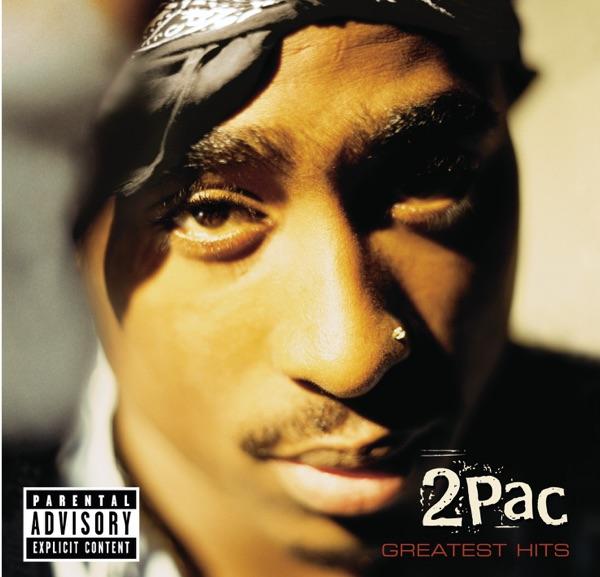
Greatest Hits
2Pac’s songs hit every inch of the emotional spectrum, and his affirmation that such contradictory feelings can exist within a single human consciousness is the reason why his music endures. There are few songs that express empathy as deeply as “Keep Ya Head Up” and “Dear Mama,” and there are few songs that express spitefulness and rage with the fervor of “Hit ‘Em Up.
Still I Rise
Until the End of Time
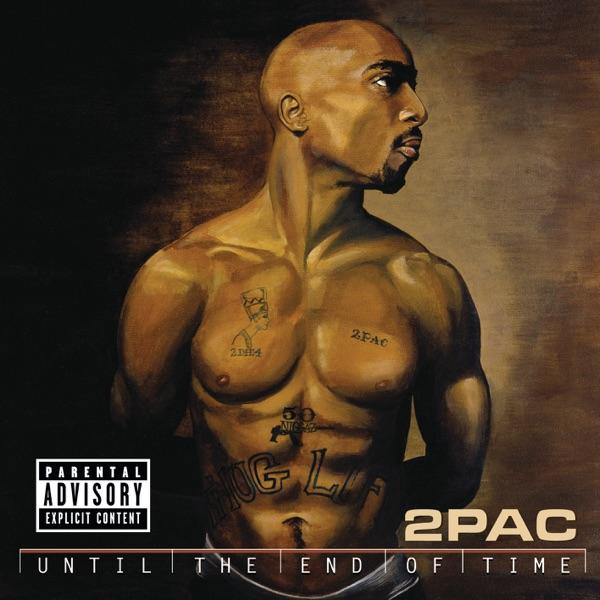
Until the End of Time draws from the massive amount of outtakes 2Pac recorded for his final album, The Don Killuminati: The 7 Day Theory. Rather than simply rehash the old music, executive producers Afeni Shakur and Suge Knight invited longtime 2Pac producers Johnny J and QD3 to design new beats around the vocal tracks. “Breathin,” “This Ain’t Livin’,” “F**k Friendz” and N****z Nature” retain 2Pac’s classic sound while appealing to the tastes of 2001-era rap fans. The title track is based on Mr. Mister’s 1985 hit “Broken Wings,” and contains some of Tupac’s most poignant confessions: “Please Lord forgive me for my life of sin / My hard stare seem to scare all my sister's kids / So you know, I don't hang around the house much / This all-night money making got me outta touch.” After his death 2Pac’s legacy expanded far beyond the West Coast, but several of the best songs on Until the End of Time — including “F****n Wit the Wrong N***a,” “Good Life” and the exceptional DJ Quik-produced “Words 2 My Firstborn”— bring his music back to its G-funk roots.
Better Dayz

Resurrection (Music from and Inspired by the Motion Picture)
Loyal to the Game
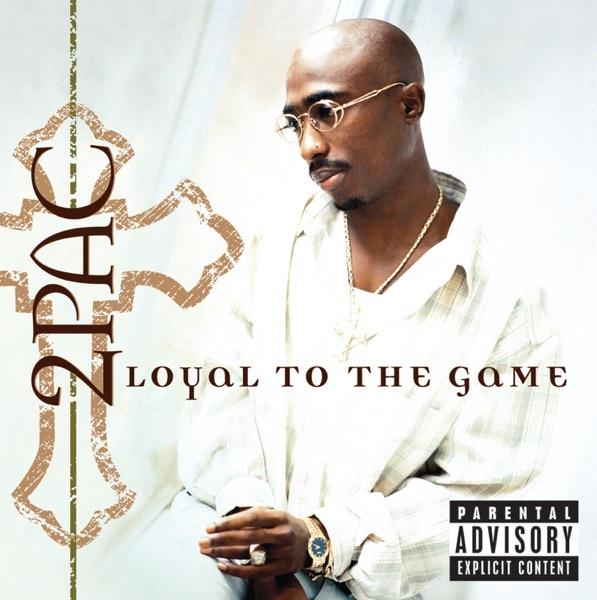
Eminem so wanted to work on a posthumous 2Pac album that he personally wrote to Afeni Shakur and agreed to forego his usual salary. Em’s dedication and love for Pac is what separates Loyal to the Game from previous posthumous albums, which were overseen by Death Row CEO Suge Knight. Em brings to the project a fan’s respect as well as a rapper’s knowledge of how to maximize Pac’s old vocal tracks. On “Crooked N***a Too” he provides a slow, staccato beat to complement Pac’s rapid-fire verses. “The Uppercut,” “Out On Bail” and “N.I.G.G.A.” use beats that tune directly into the rhythm of Tupac’s rhymes and accomplish what every posthumous project has aimed for — to make Tupac’s presence felt, and not simply conjure his ghost. Eminem’s stealthy tracks give the album focus, but the last four tracks (overseen by guest producers) are comfort food for Pac fans. They offer the loose and soulful West Coast funk that was Pac’s signature during his lifetime. “Po N***a Blues,” with its buttery keyboards and cries from Ron Isley, is one of the most naturalistic Pac songs to appear since his death.

Live At the House of Blues
Pac's Life (Bonus Track)
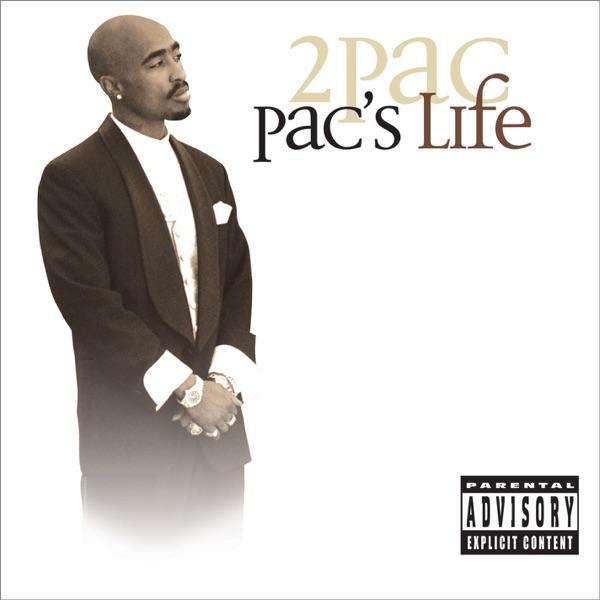
Pac's Life

The Best of 2Pac, Pt. 1: Thug

The Best of 2Pac, Pt. 2: Life
